Welcome to the Independent Island Atoll — a vivid self-contained world full of life, adventure, culture, and community! This island isn’t just a place on a map — it’s a home, a gathering spot, and a story waiting to be explored.
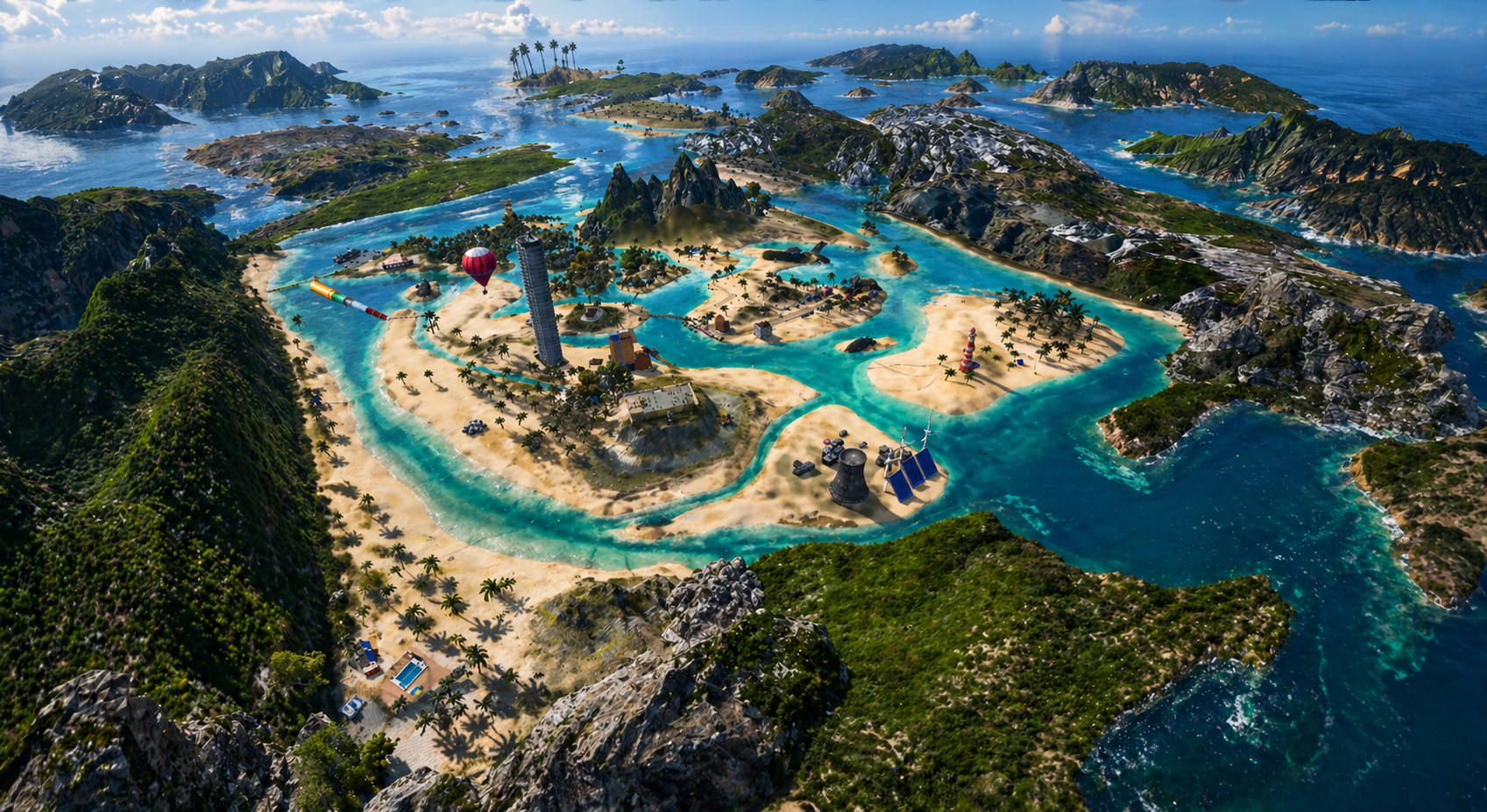
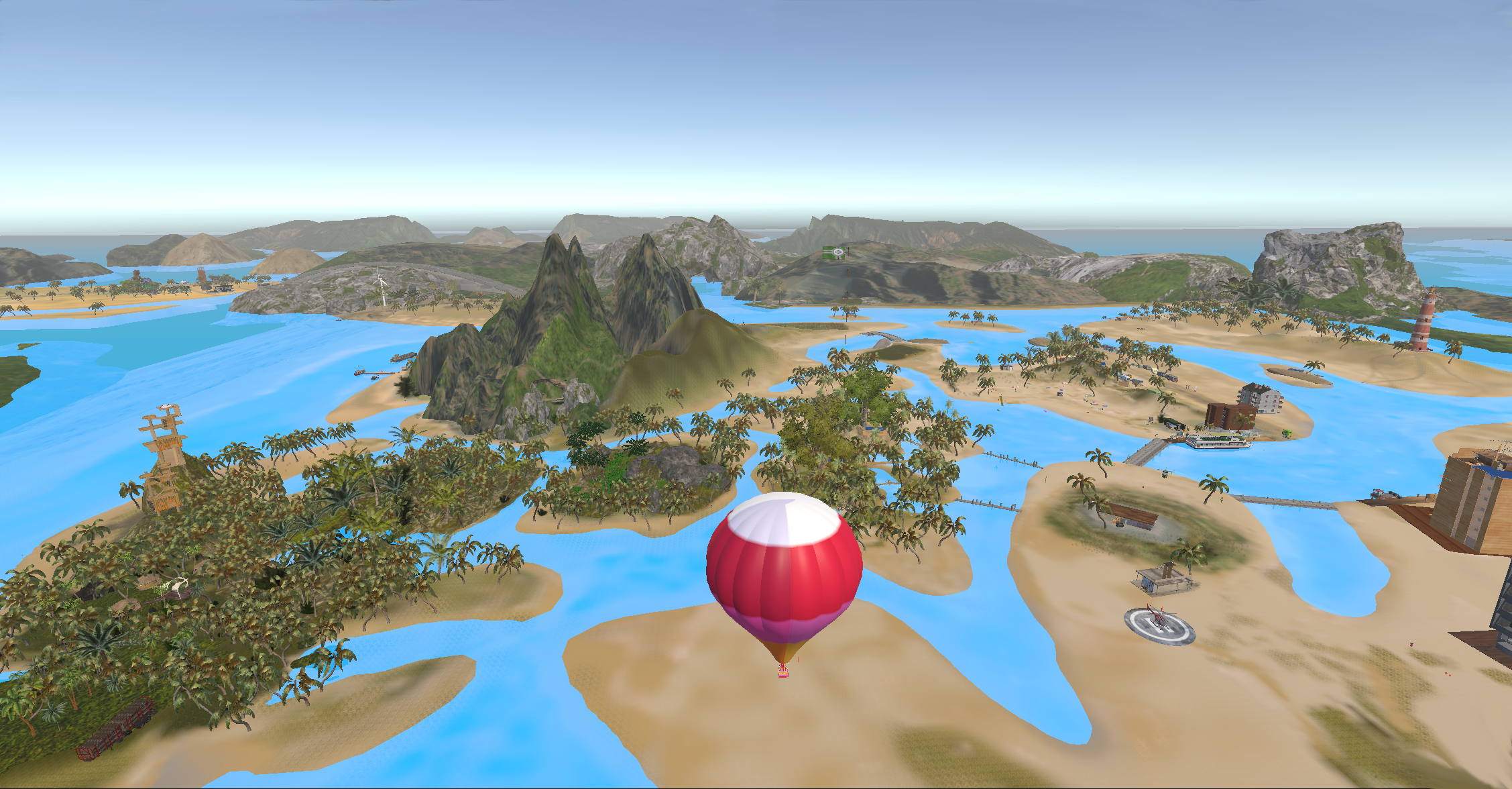
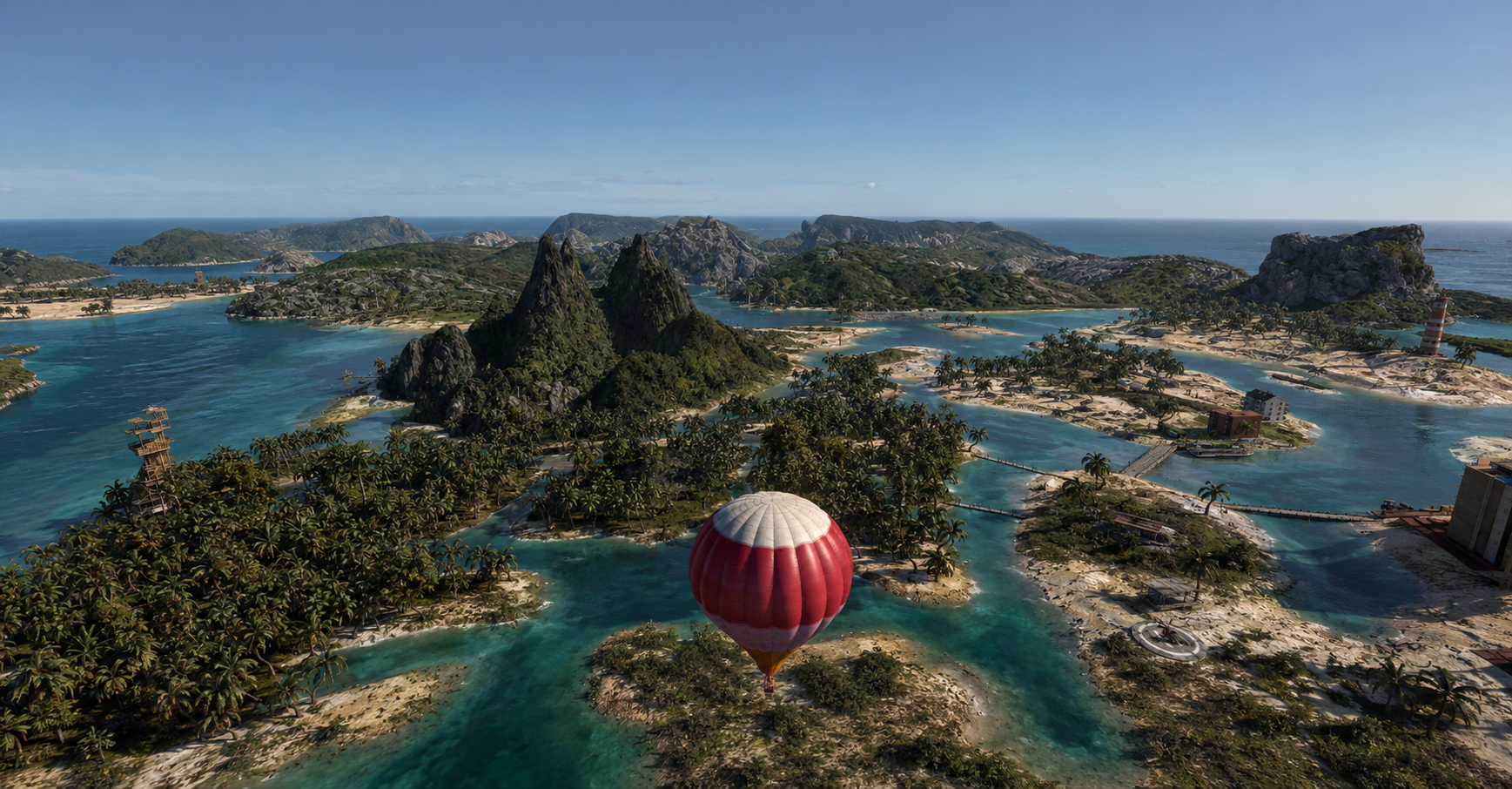
and 1st of all a map for orientation
| Resident | Job / Role | Location |
|---|---|---|
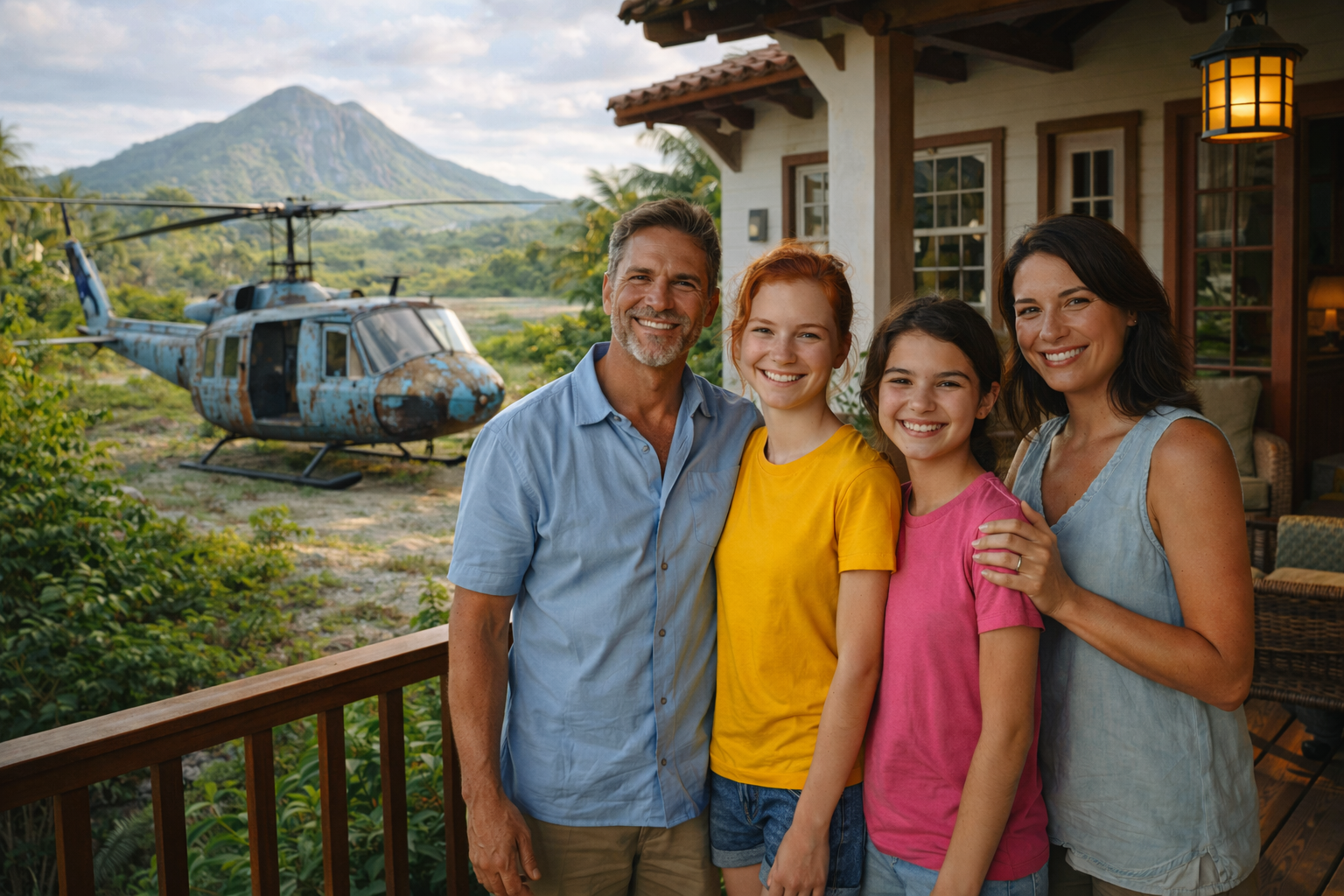
| Dr. Ethan Smith | NASA aerospace engineer (remote satellite systems & rockets) | Chaos Villa |
| Laura Smith | School teacher & island social worker | Chaos Villa |
| Mandy (Fire) Smith | Student, drummer | Chaos Villa |
| Nyra (Water) Smith | Student, poet – school poetry award | Chaos Villa |
| Resident | Job / Role | Location |
|---|---|---|
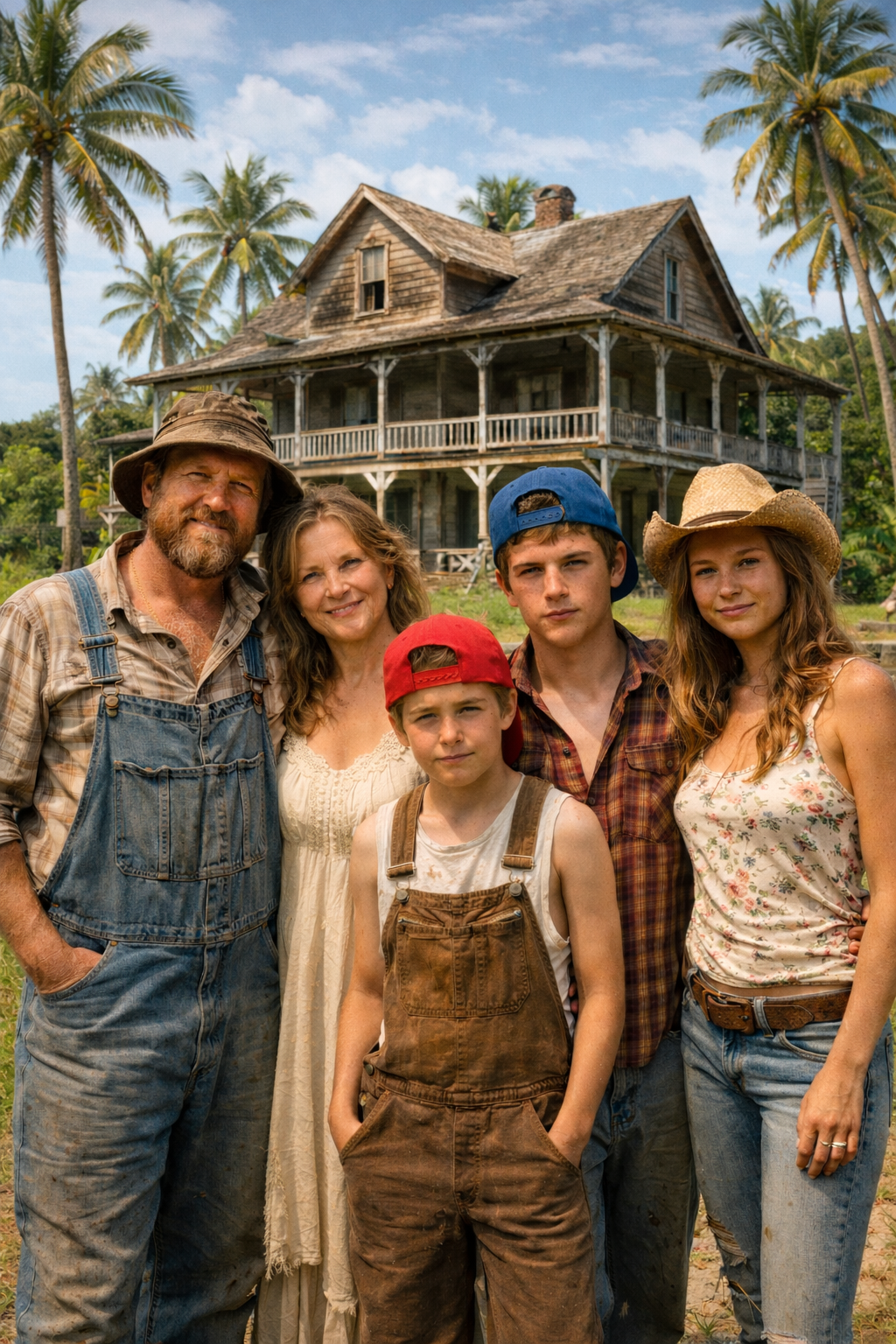
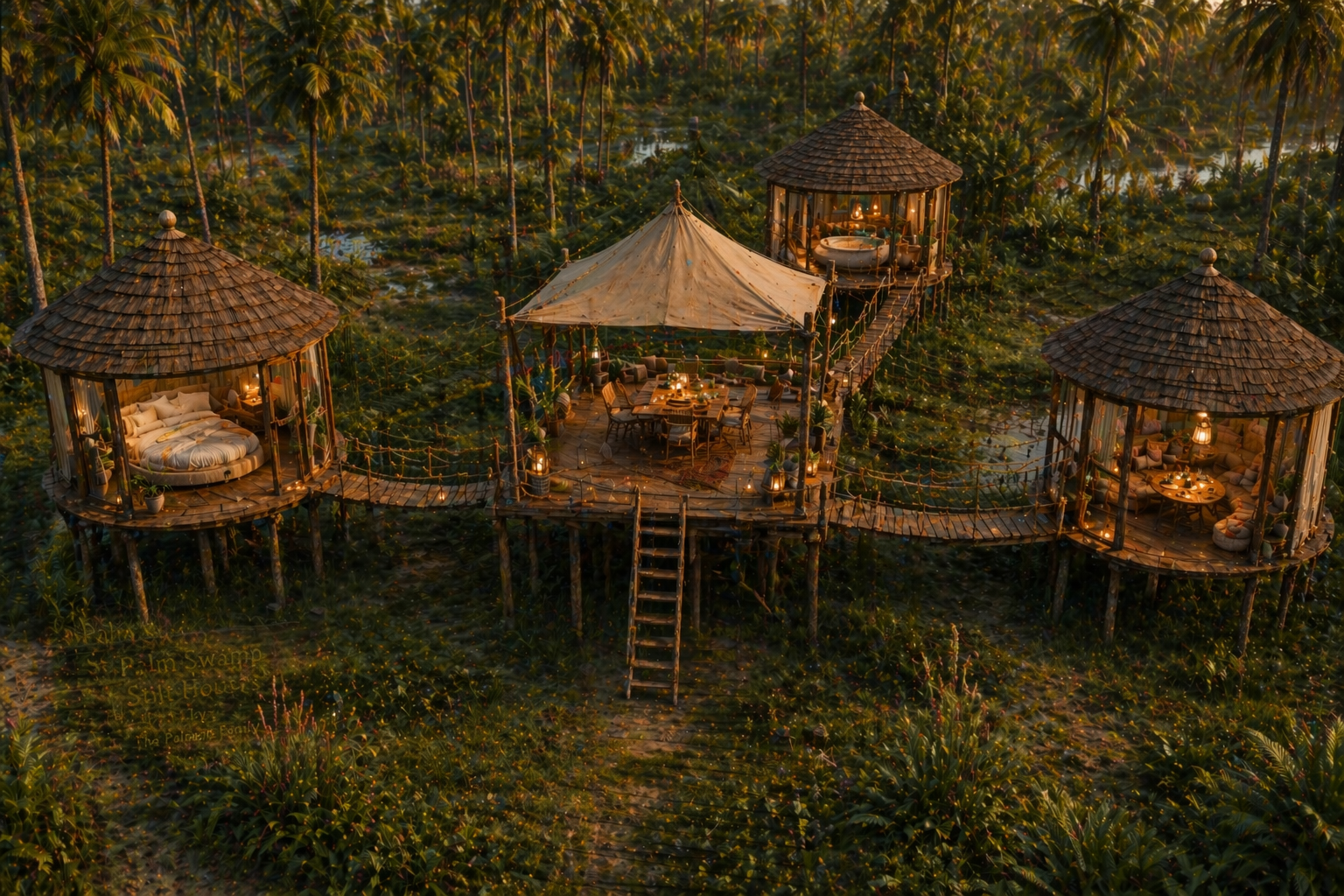
| Jose Palmer | Palm Swamp Hacker | Palm Swamp Wooden Villa |
| Josie Palmer | Palm Swamp Hacker | Palm Swamp Wooden Villa |
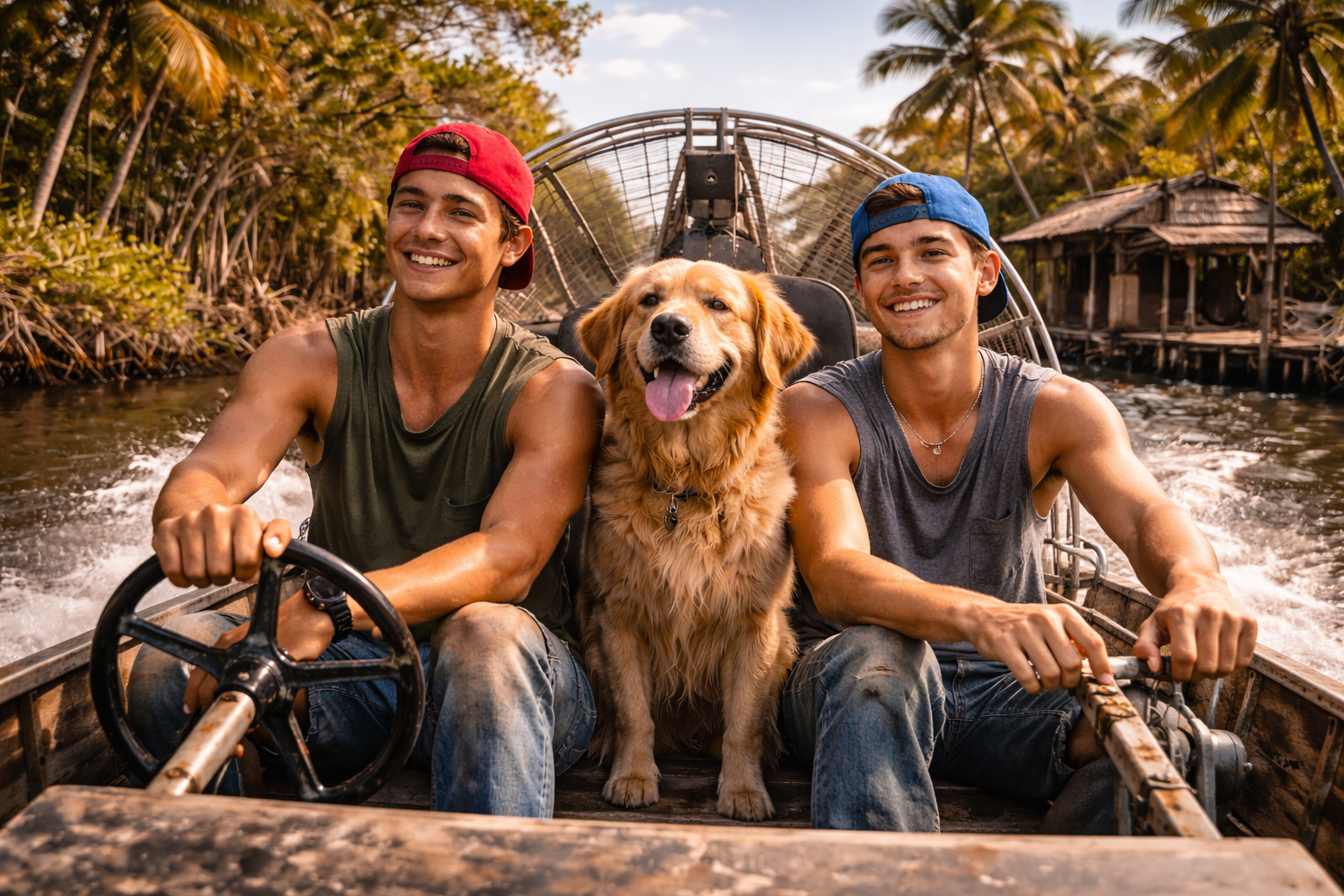
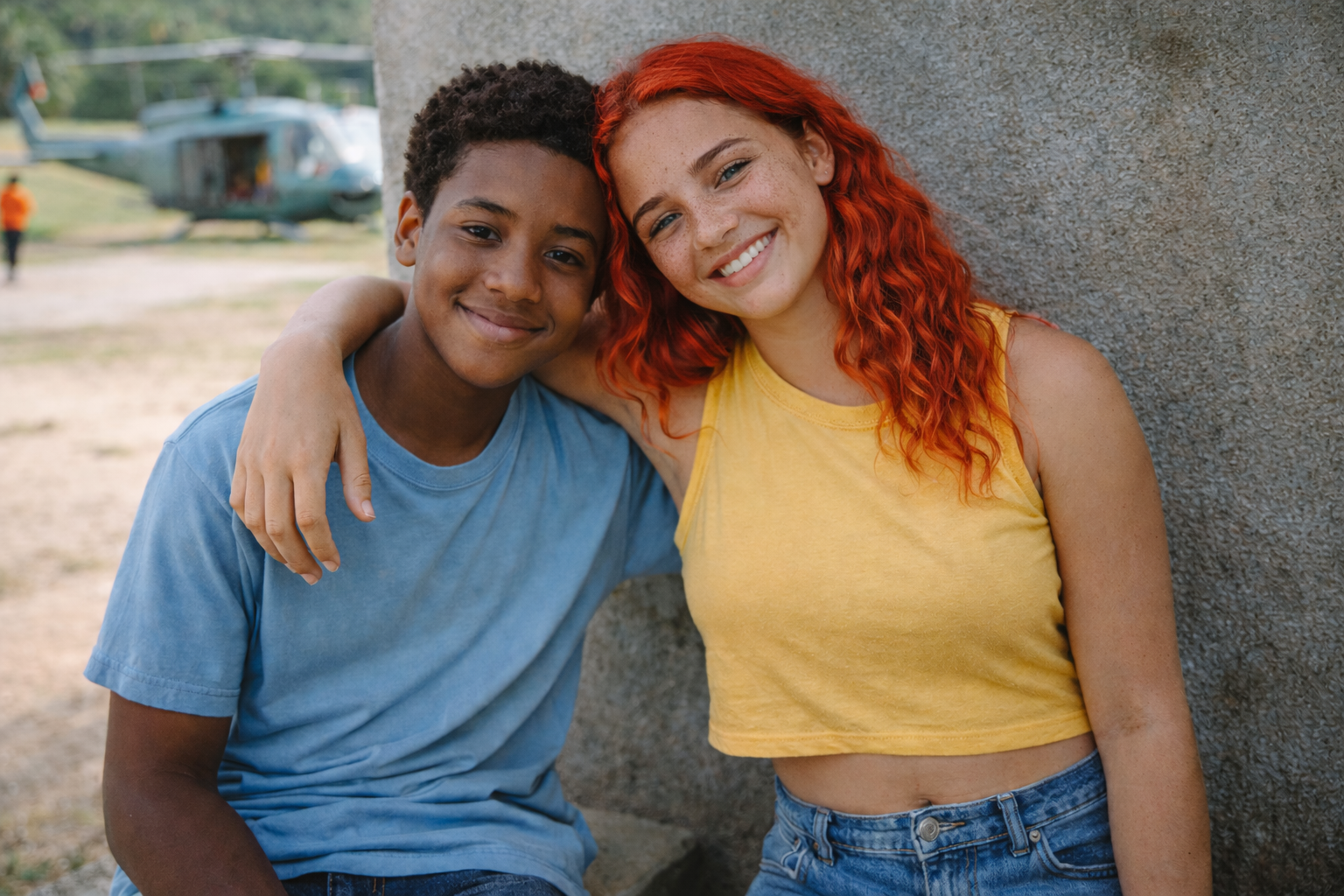
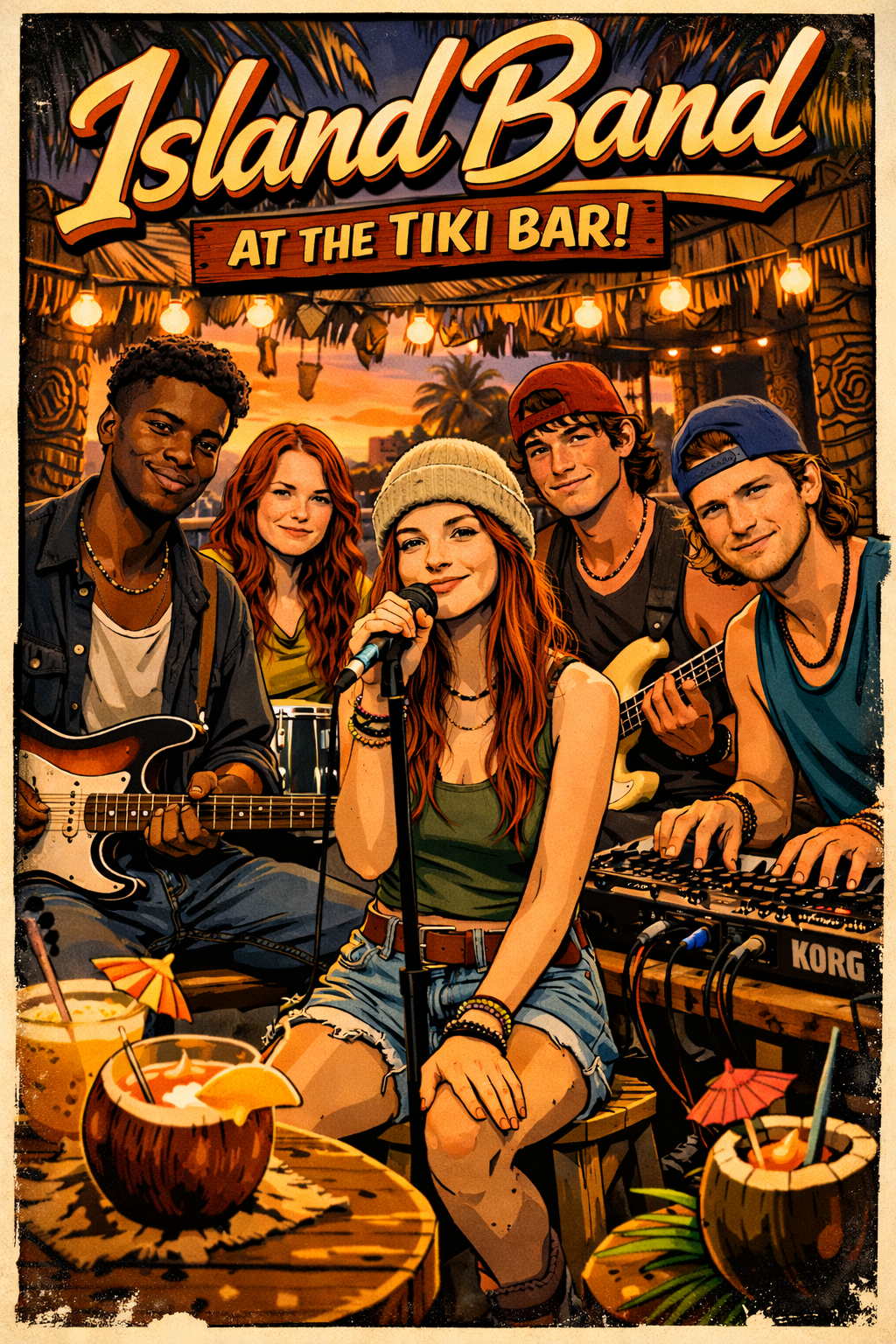
| Mason "Red" Palmer | Adventurous teen, Island band, Palm Swamp Hacker | Palm Swamp Wooden Villa |
| Eli "Blue" Palmer | Tinkerer / electronics hobbyist, Island band, Palm Swamp Hacker | Palm Swamp Wooden Villa |
| Cassidy Palmer | Student and office work for Palm Swamp Hackers | Palm Swamp Wooden Villa |
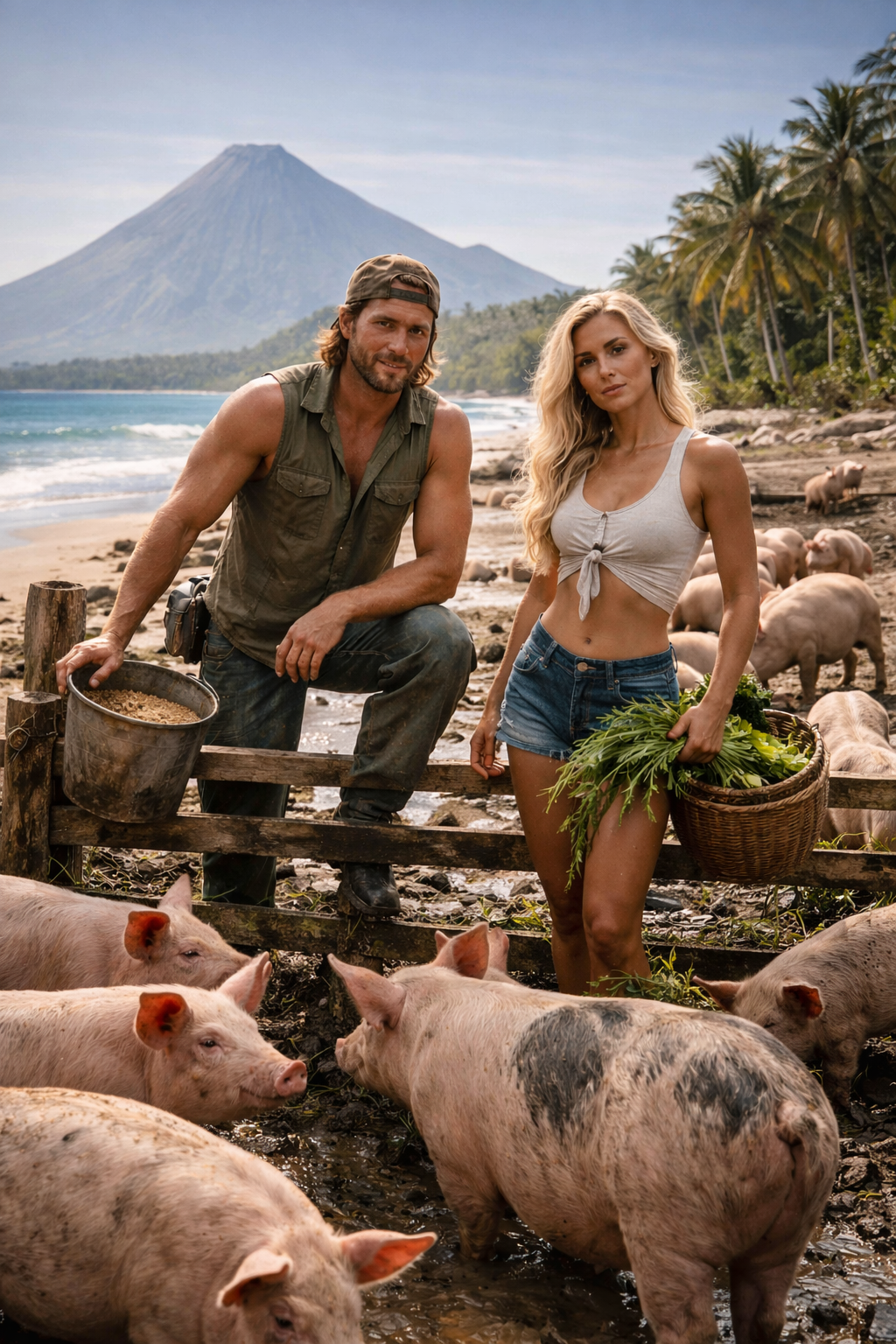
| Tyler Hawke | Pig farmer, outsider homesteader | Palm Swamp Wooden Villa |
| Mia Hawke | Herbal gardener, pigs & palm swamps | Palm Swamp Wooden Villa |
| Resident | Job / Role | Location |
|---|---|---|
| Kane Kanoa | Trap fisherman (crabs & lobster) | Kanoa Family House |
| Keilani Kanoa | Fish market & prep fish for selling at the coast | Kanoa Family House |
| Kailea Kanoa | Island band singer & fisher | Kanoa Family House |
| Kimo Kanoa | Gamer / young fisherman trainee / Young spear fisherman | Kanoa Family House |
| Resident | Job / Role | Location |
|---|---|---|
| Victor Vargo | Deep sea fisherman | Vargo Family House |
| Valeria Vargo | Net repair & fish smoker | Vargo Family House |
| Vincent Vargo | Fishing deckhand | Vargo Family House |
| Violet Vargo | Fishing deckhand | Vargo Family House |
| Resident | Job / Role | Location |
|---|---|---|
| Paulo Maréa | Lagoon fisherman | Maréa Family House |
| Isabella Maréa | Shell craft maker | Maréa Family House |
| Nico Maréa | Fishing deckhand | Maréa Family House |
| Sandra Maréa | Going to school | Maréa Family House |
| Resident | Job / Role | Floor / Location |
|---|---|---|
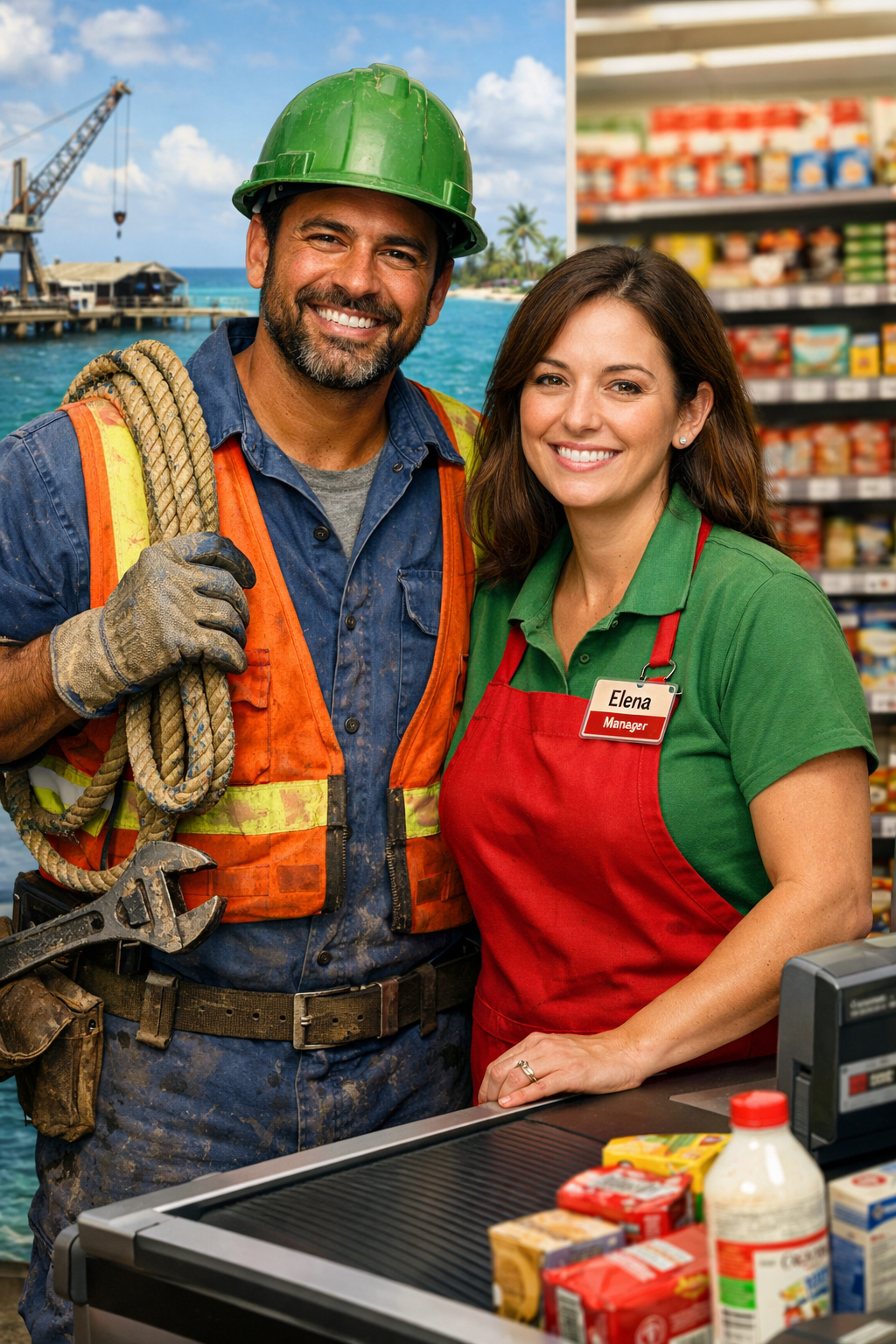
| Marco Duarte | Harbor dock worker | 1st Floor |
| Elena Duarte | Supermarket cashier | 1st Floor |
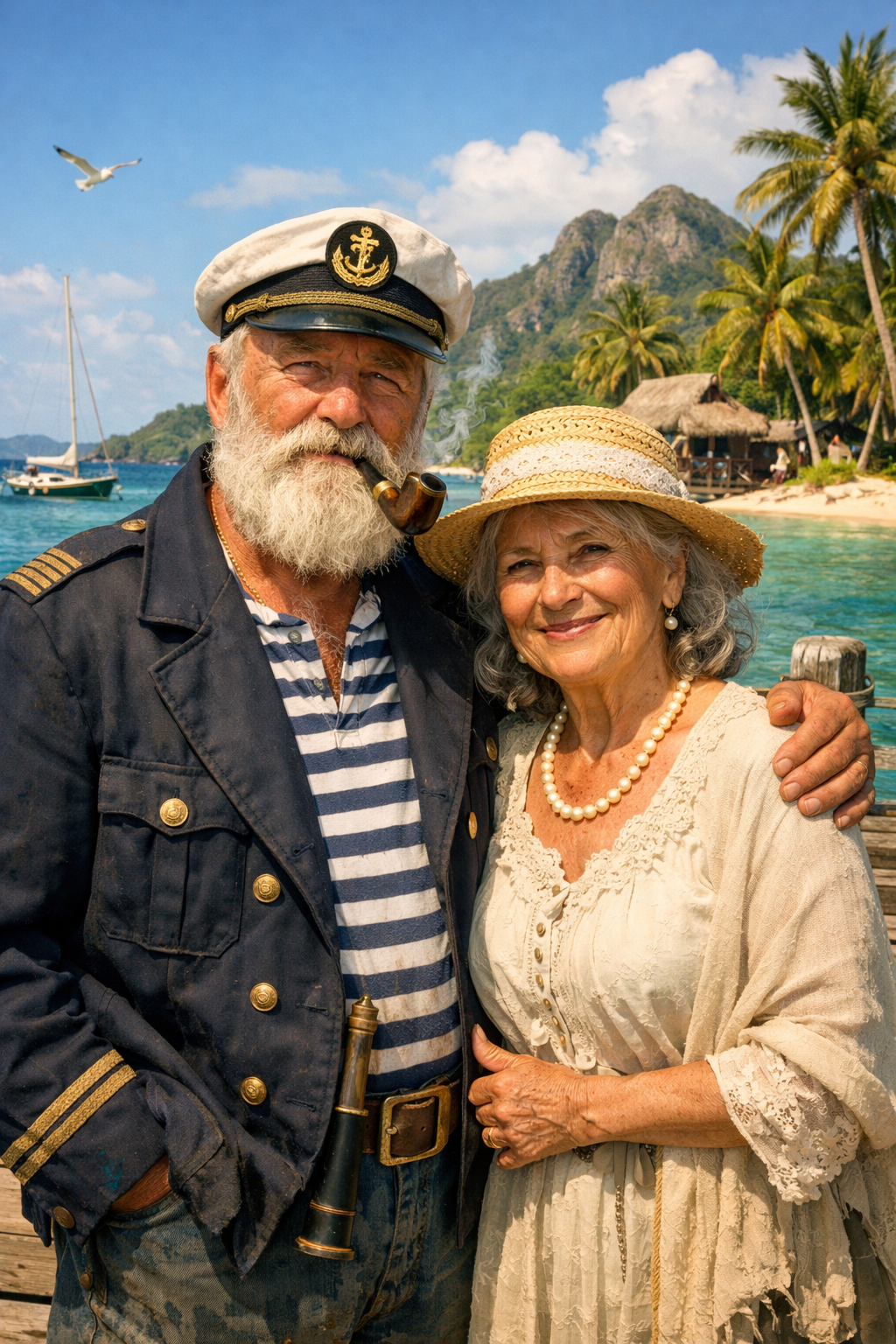
| Captain Elias Navarro | Retired cargo & ferry ship captain | 2nd Floor |
| Maria Navarro | Harbor cook / community elder | 2nd Floor |
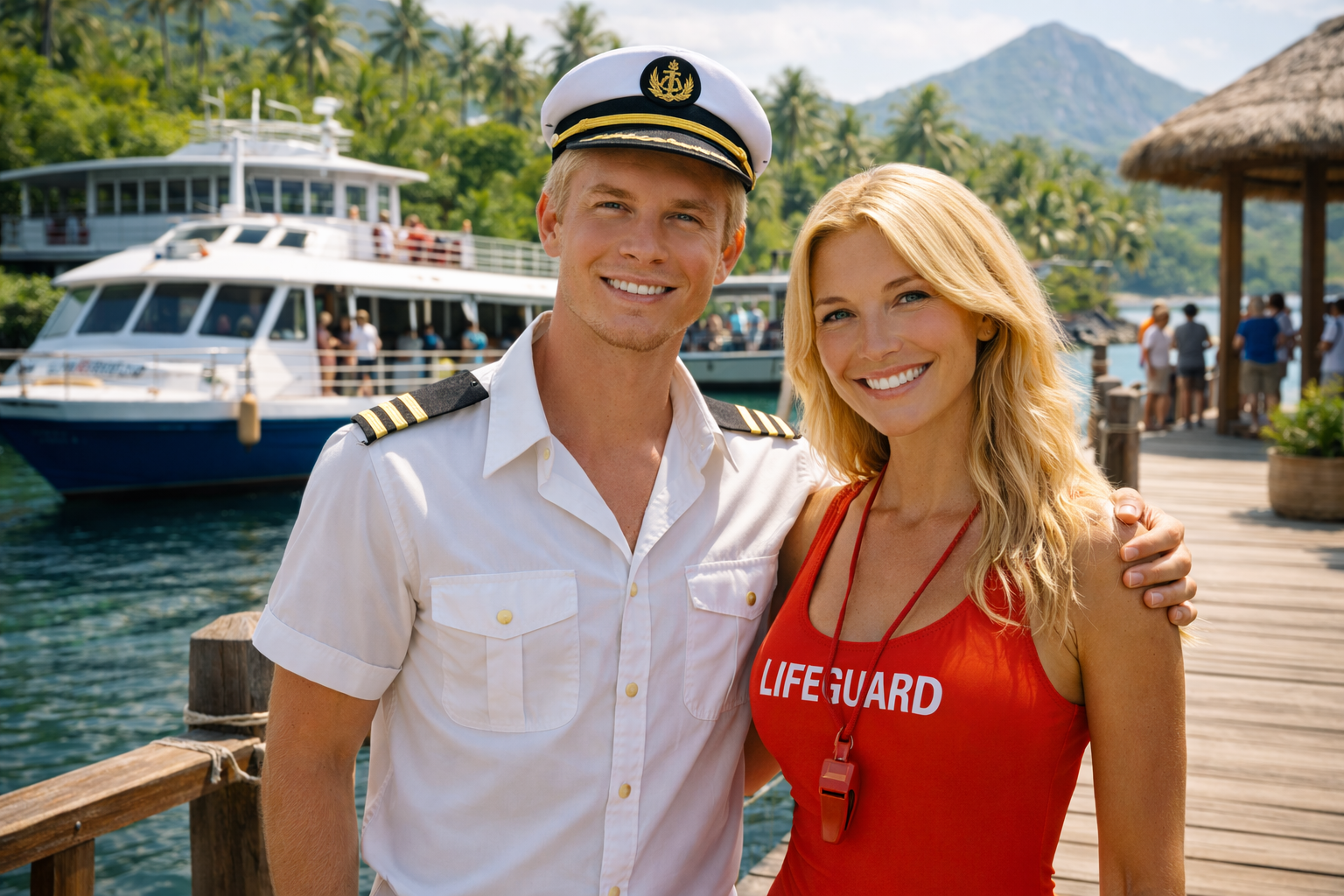
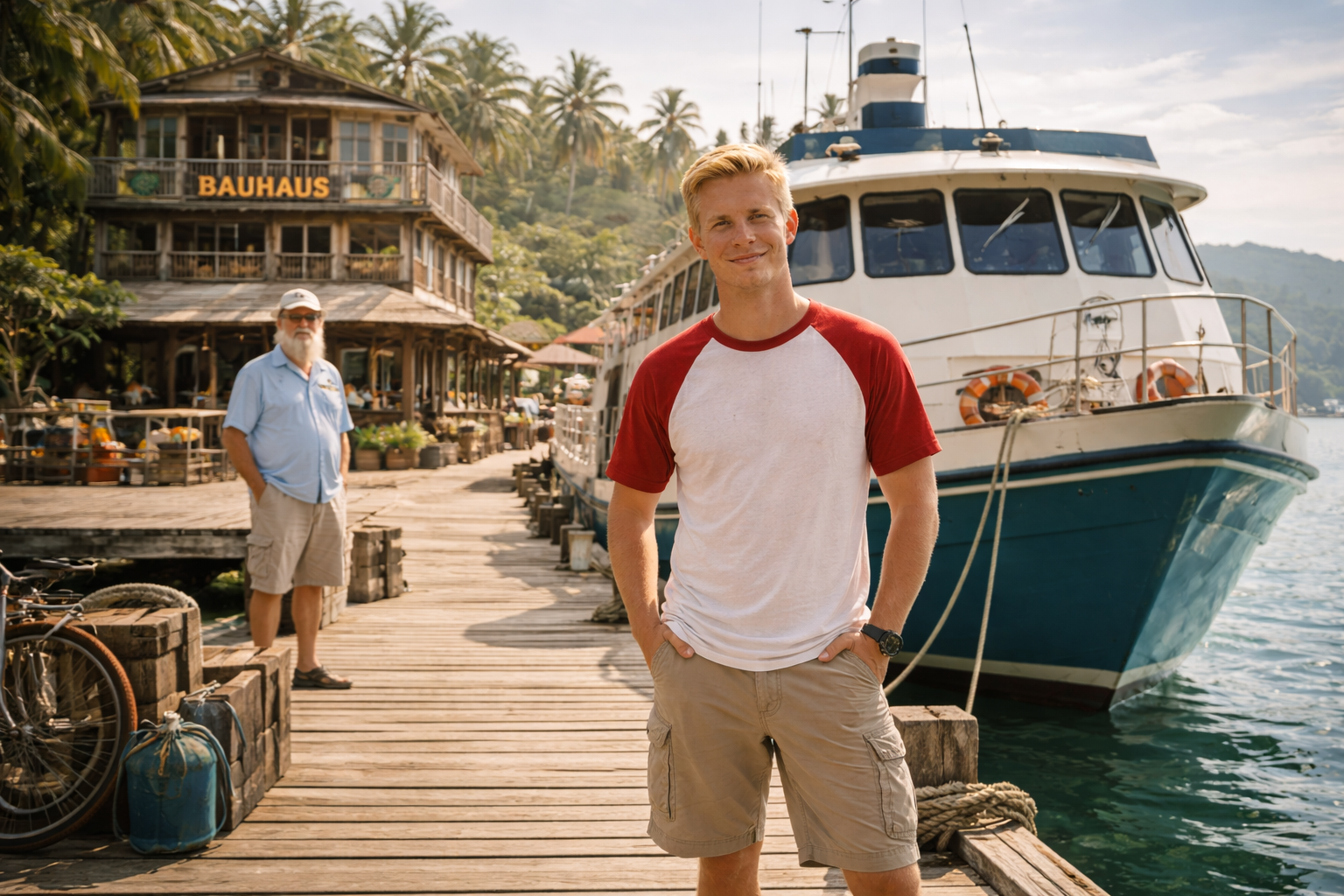
| Ryder Cole | Ferry captain (drives ferry like a surfboard) | 3rd Floor |
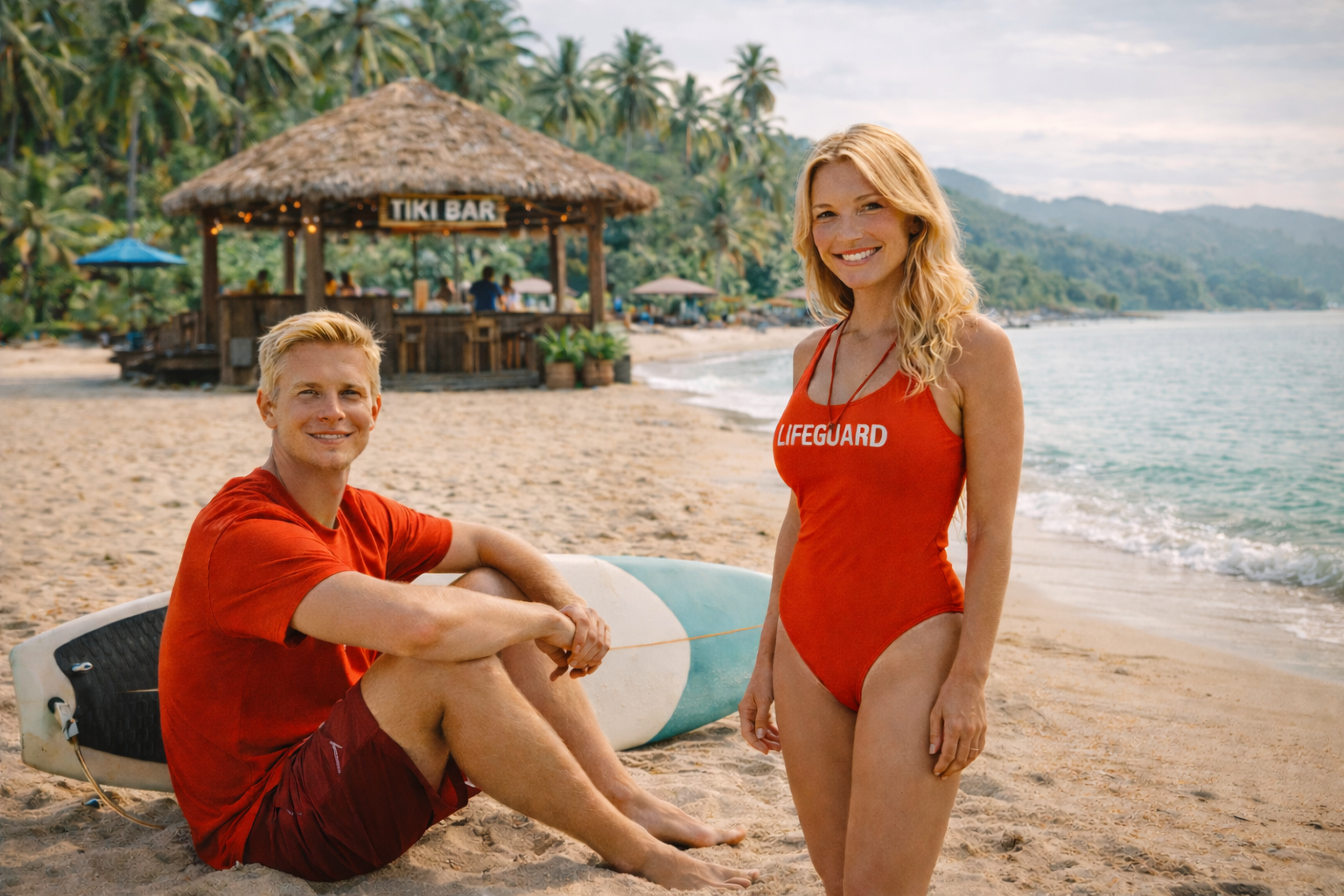
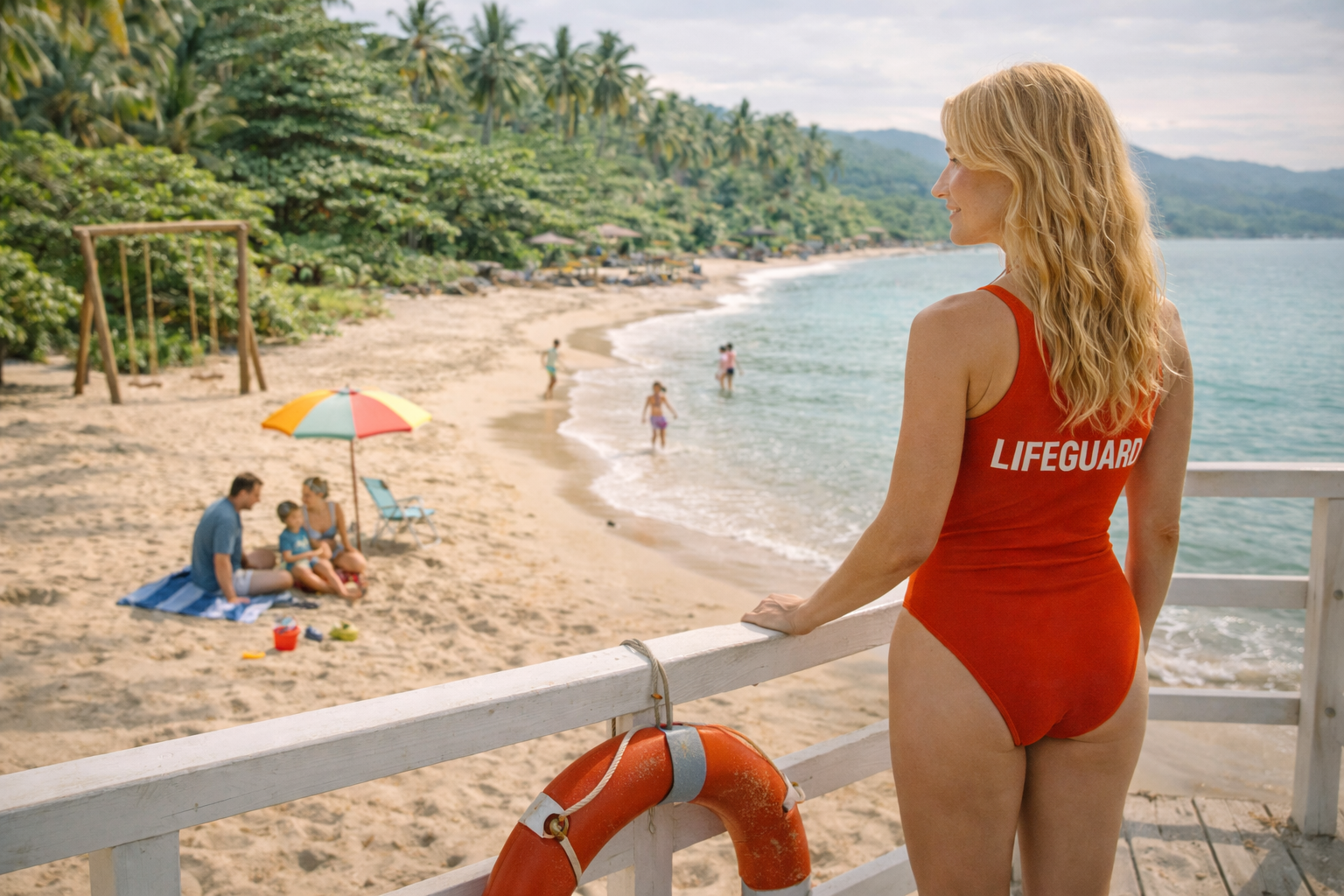
| Denise Cole | Beach lifeguard / Tiki bar serving | 3rd Floor |
| Resident | Job / Role | Floor / Location |
|---|---|---|
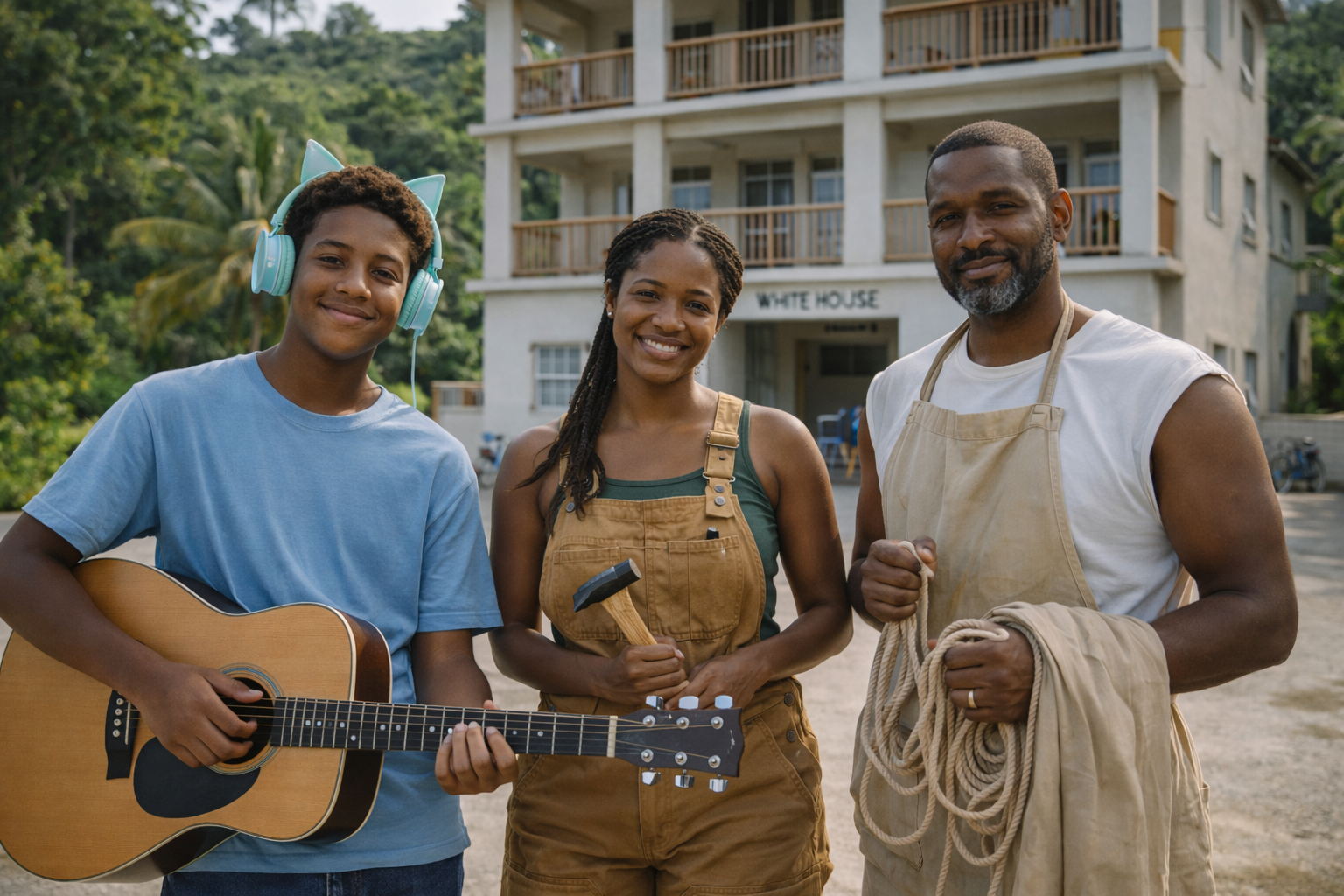
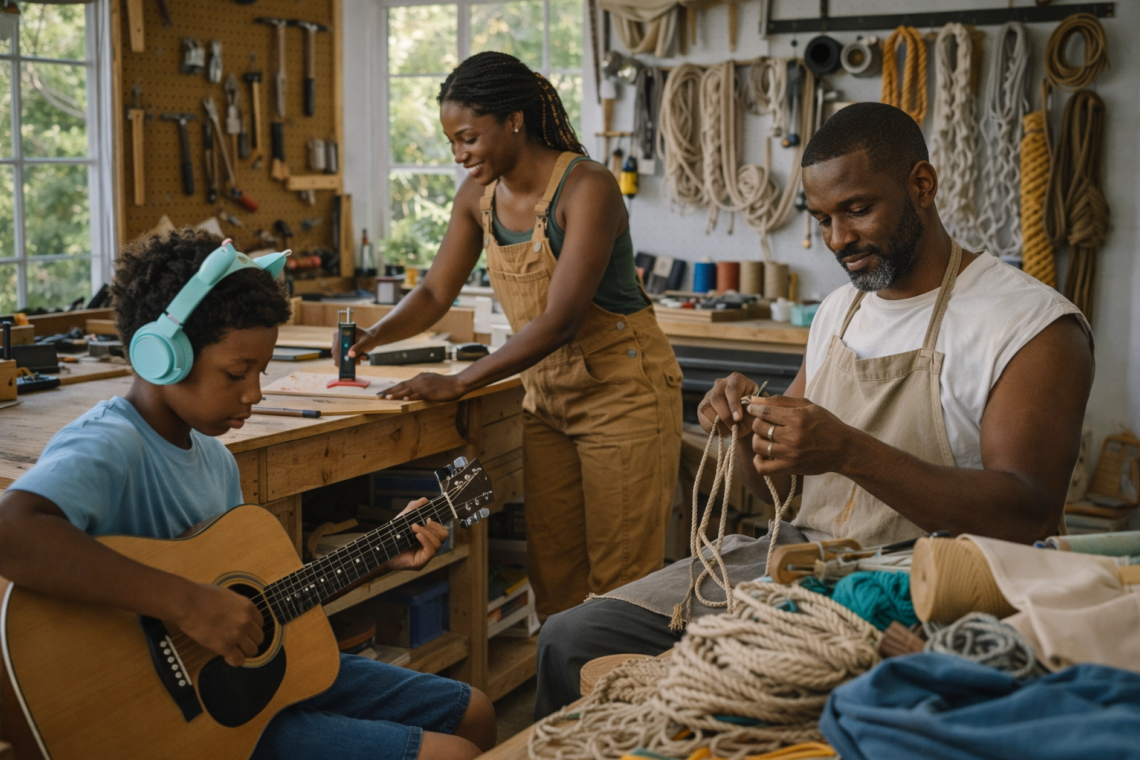
| Malik Johnson | Island maintenance worker / sailmaker | 1st Floor |
| Amina Johnson | Carpenter & wood working | 1st Floor |
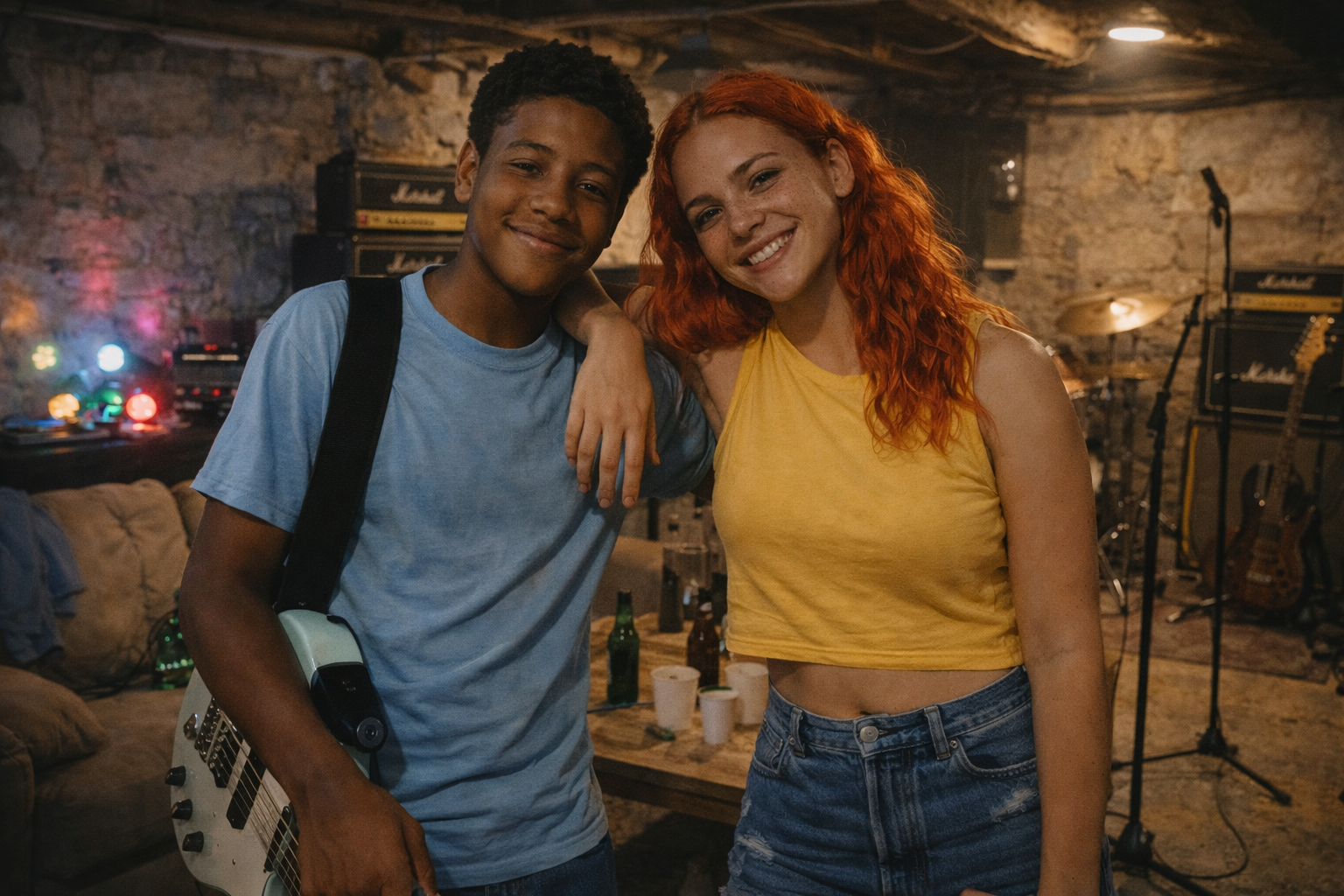
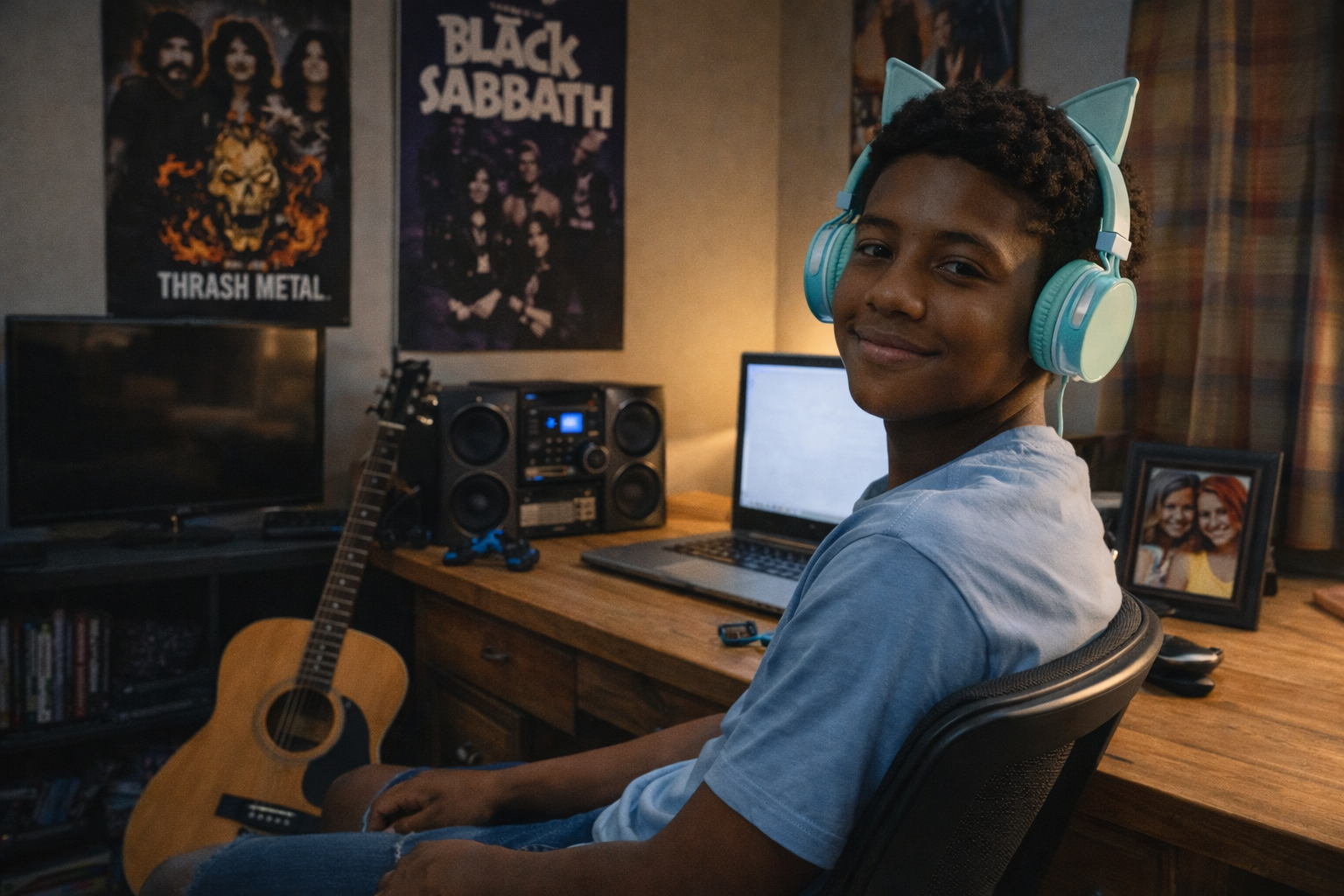
| Kairo Johnson | Student / island band guitar | 1st Floor |
| Bruno Keller | Island trash collection | 2nd Floor |
| Sofia Keller | Wellness therapist & hair salon | 2nd Floor |
| Dr. Miguel Alvarez | Coast guard flying doctor | 3rd Floor |
| Nina Alvarez | Radio nurse & emergency communication | 3rd Floor |
| Oliver Byte | Island IT technician / network systems | Basement |
| Lea Moreau | Girlfriend from Oliver Byte / Influencer / Photomodel | Basement |
| Resident | Job / Role | Location |
|---|---|---|
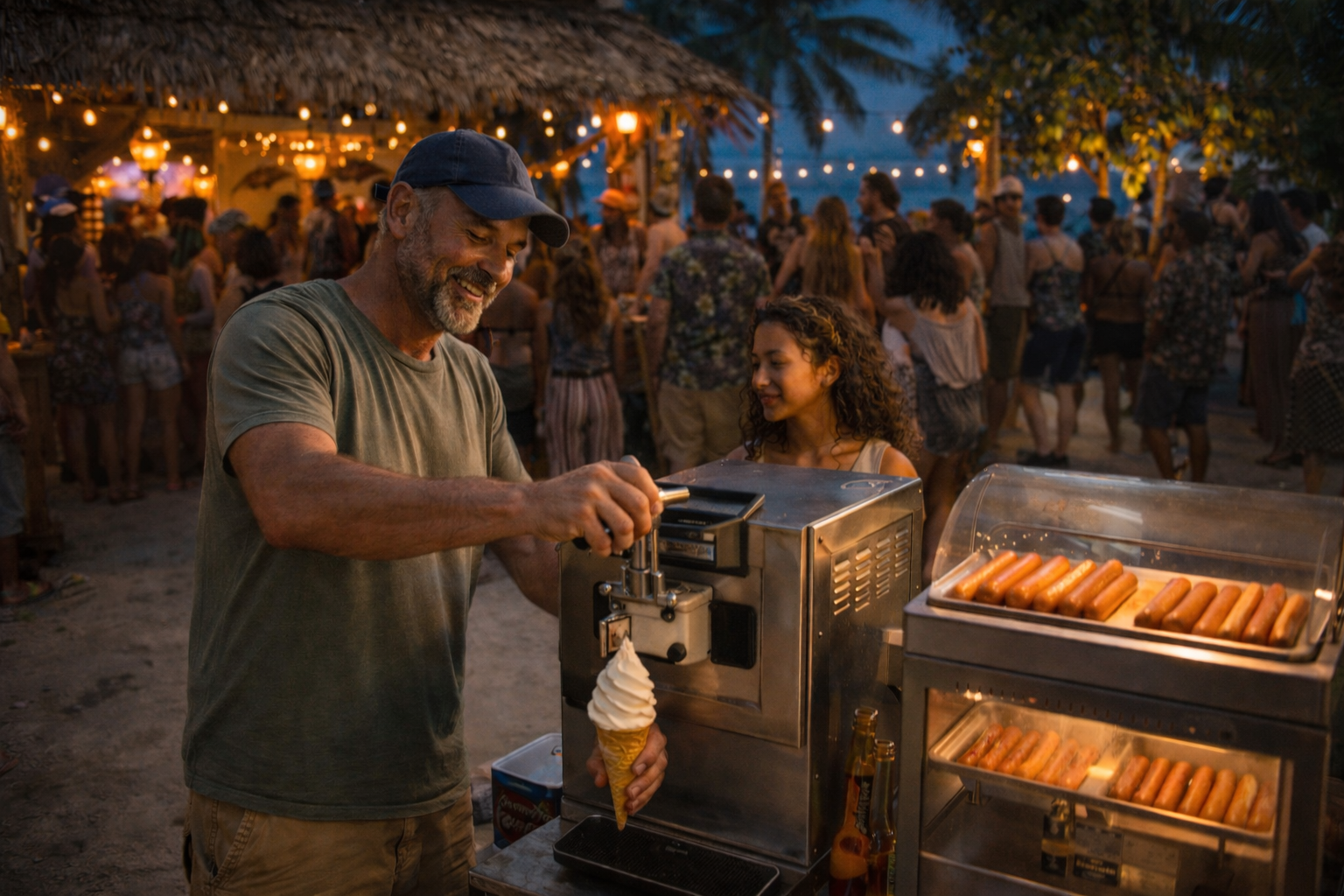
| Hank Moreno | Vending machines, ice cream, hotdogs, technical help & repairs | Camping Area |
| Resident | Job / Role | Location |
|---|---|---|
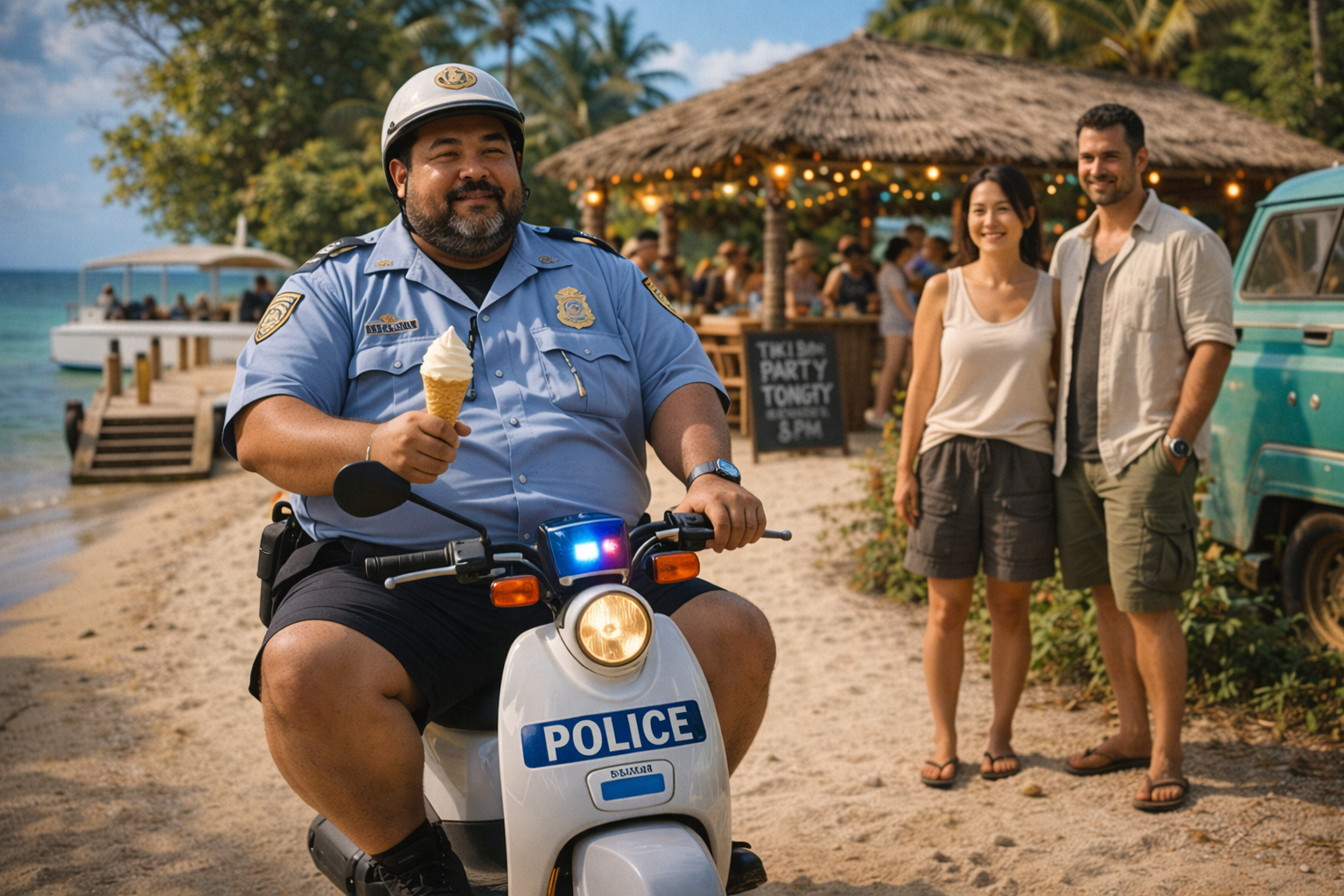
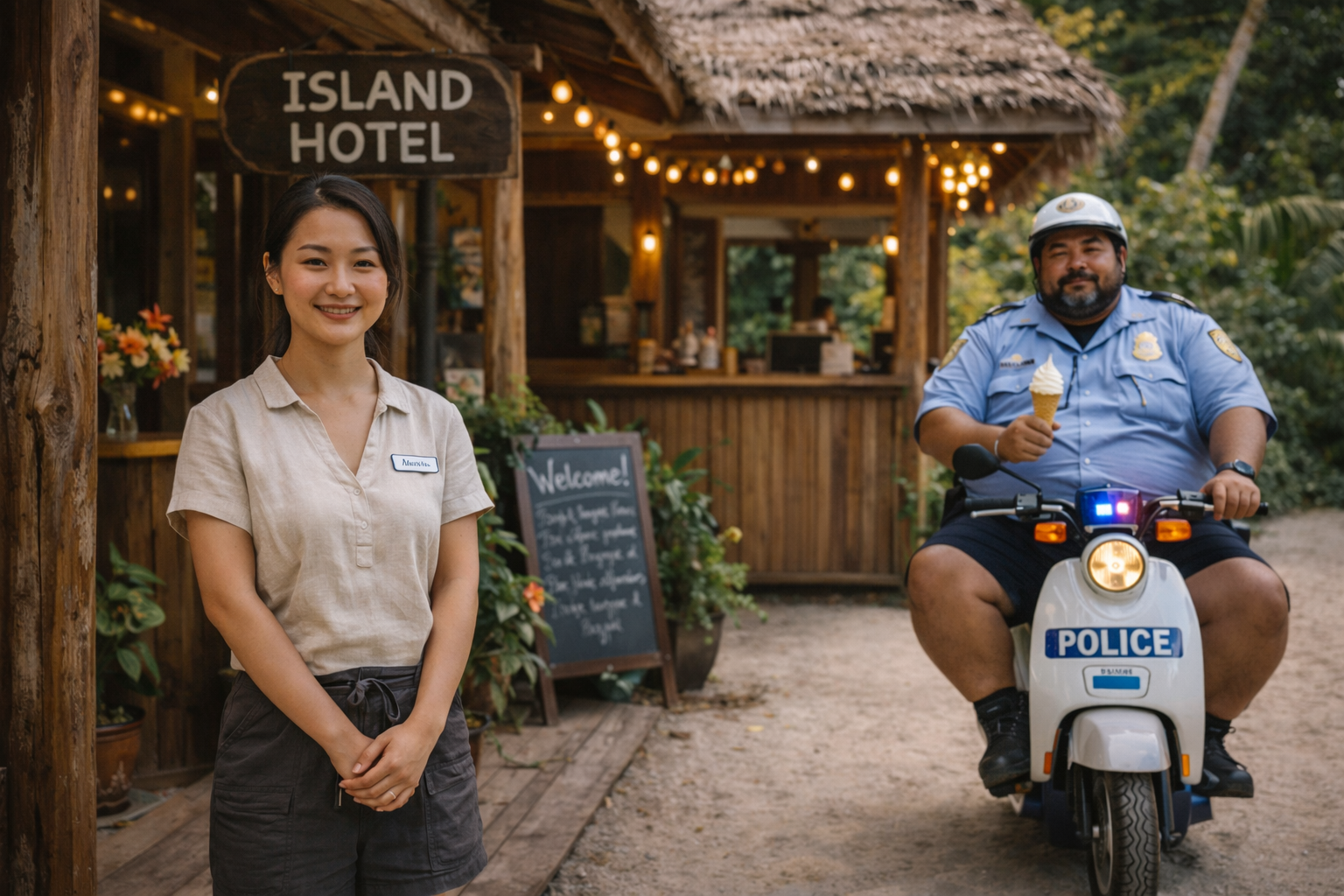
| Tao "Bigfoot" Chen | Police Officer (Asian background) | Poolside / Chen Apartment |
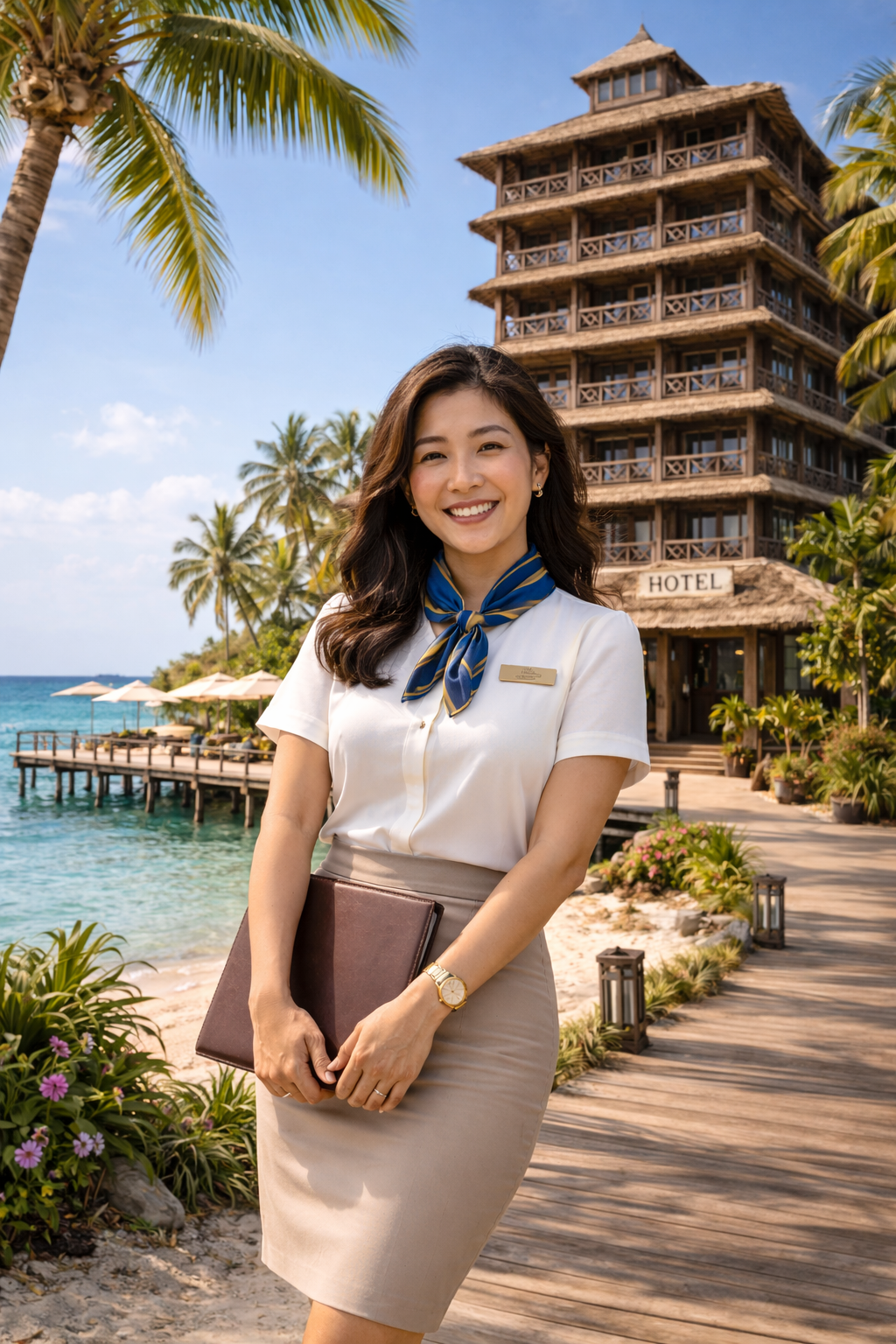
| Mei-Lin Chen | Organize hotel rooms & camping sites | Poolside / Chen Apartment |
| Resident | Job / Role | Location |
|---|---|---|
| JIBBIT | Island keeper / ranger & repairs | Hotel Roof |
| Catycat | Solar & energy center, desalination control | Hotel Roof |
| Resident | Job / Role | Location |
|---|---|---|
| Dr. Viktor Flux | Experimental scientist / inventor | Northeast Laboratory |
| Resident | Job / Role | Location |
|---|---|---|
| Robert Sanderson | Bush pilot | Airfield House |
| Claire Sanderson | Seaplane pilot & instructor | Airfield House |
| Emma Sanderson | Radio tower & navigation | Airfield House |
| Luke Sanderson | Pilot trainee | Airfield House |
| Resident | Job / Role | Location |
|---|---|---|
| Jack Harper | Aircraft mechanic | Airfield Helpers House |
| Lila Harper | Airfield logistics & fuel | Airfield Helpers House |
| Resident | Job / Role | Location |
|---|---|---|
| Arthur Kingsley | Investor / private pilot | Private Estate |
| Resident | Job / Role | Floor / Location |
|---|---|---|
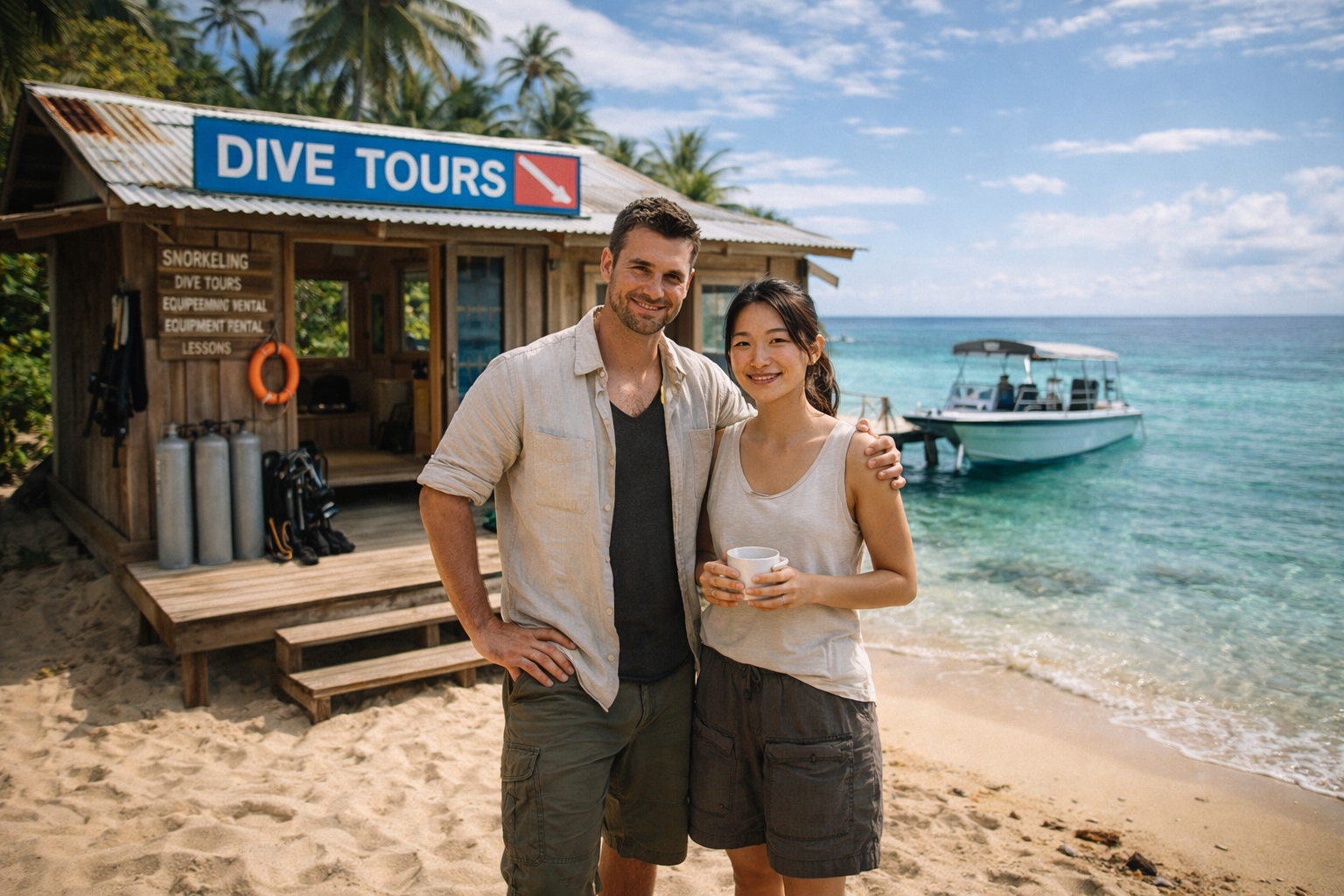
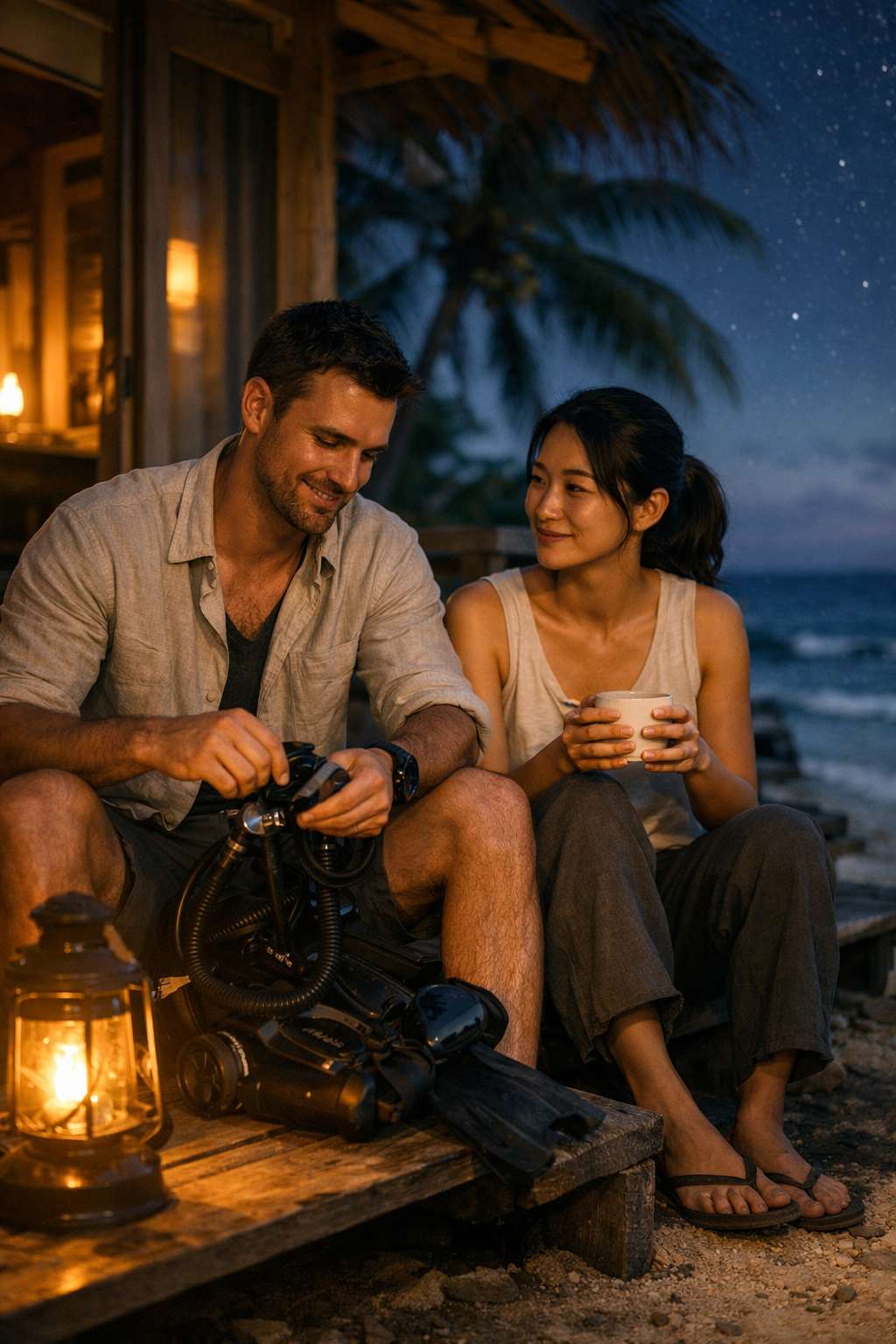
| John Hart | Ex-Delta Force, trained operative, diving and adventure tours | Private apartment near Fisher Village with Li Voss |
| Li Voss | Medical support / partner of John Hart | Private apartment near Fisher Village with John Hart |
| John Hart & Li Voss | Diving & adventure tour operators | diving and adventure resort |
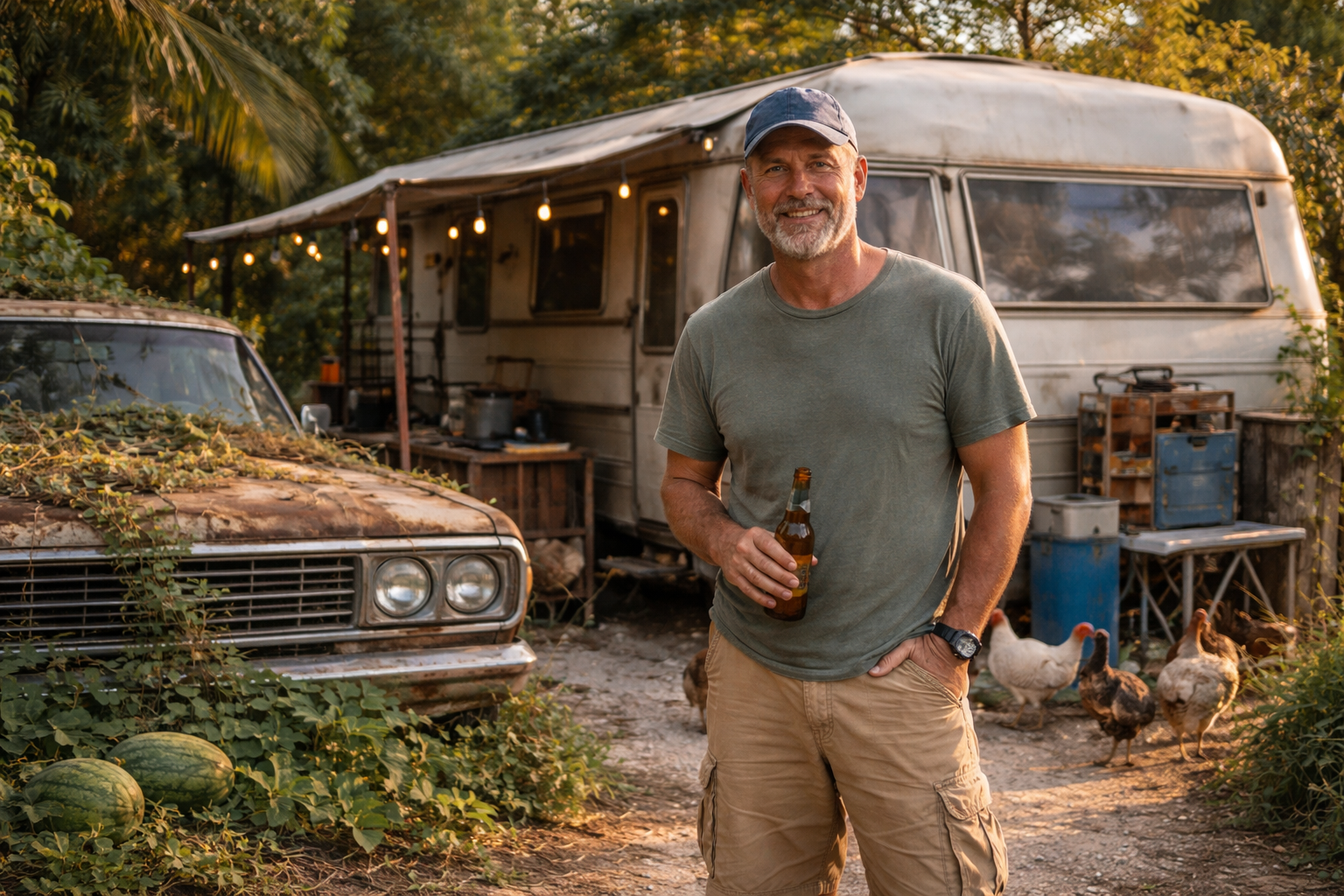
sarcastic humor
calm in chaos
allergic to authority
hates bosses
loves systems
secretly kind
hates paperwork
loves simple things
never in a hurry
always busy
He doesn’t talk about his old life unless drunk.
And even then, he makes it sound smaller than it was.
His Philosophy
Switch doesn’t believe in destiny.
He believes in usefulness.
“If a place needs you, and you can help it work better — that’s home.”
He planned three months.
He stayed forever.
Connection to John & Li
He respects them instantly.
Not because of their pasts — he doesn’t know them.
But because he recognizes the signs:
disciplined calm
controlled movement
quiet authority
no ego
no noise
no drama
He treats them like equals, not tourists.
They trust him with logistics.
He trusts them with safety.
No questions.
No stories.
Just mutual respect.
How People Describe Him
“The island engineer”
“The machine guy”
“The ice cream man”
“The festival backbone”
“The caravan king”
“The system brain”
But his real legacy is simple:
He turned chaos into structure without turning paradise into a city.

An Island Atoll Resident Story
Long before they became one of the most beloved couples on Island Atoll, Oliver Byte and Léa Moreau arrived on the island for completely different reasons.
Neither planned to stay.
Neither expected to find a new home.
And neither expected to find love.
Several years ago, Island Atoll faced a growing problem.
Tourism was increasing. Businesses were expanding. The ferry network was becoming busier every year.
But the island's communication systems were struggling.
A technology company from the mainland was hired to modernize the island's digital infrastructure.
The company sent one of their best network specialists: Oliver Byte.
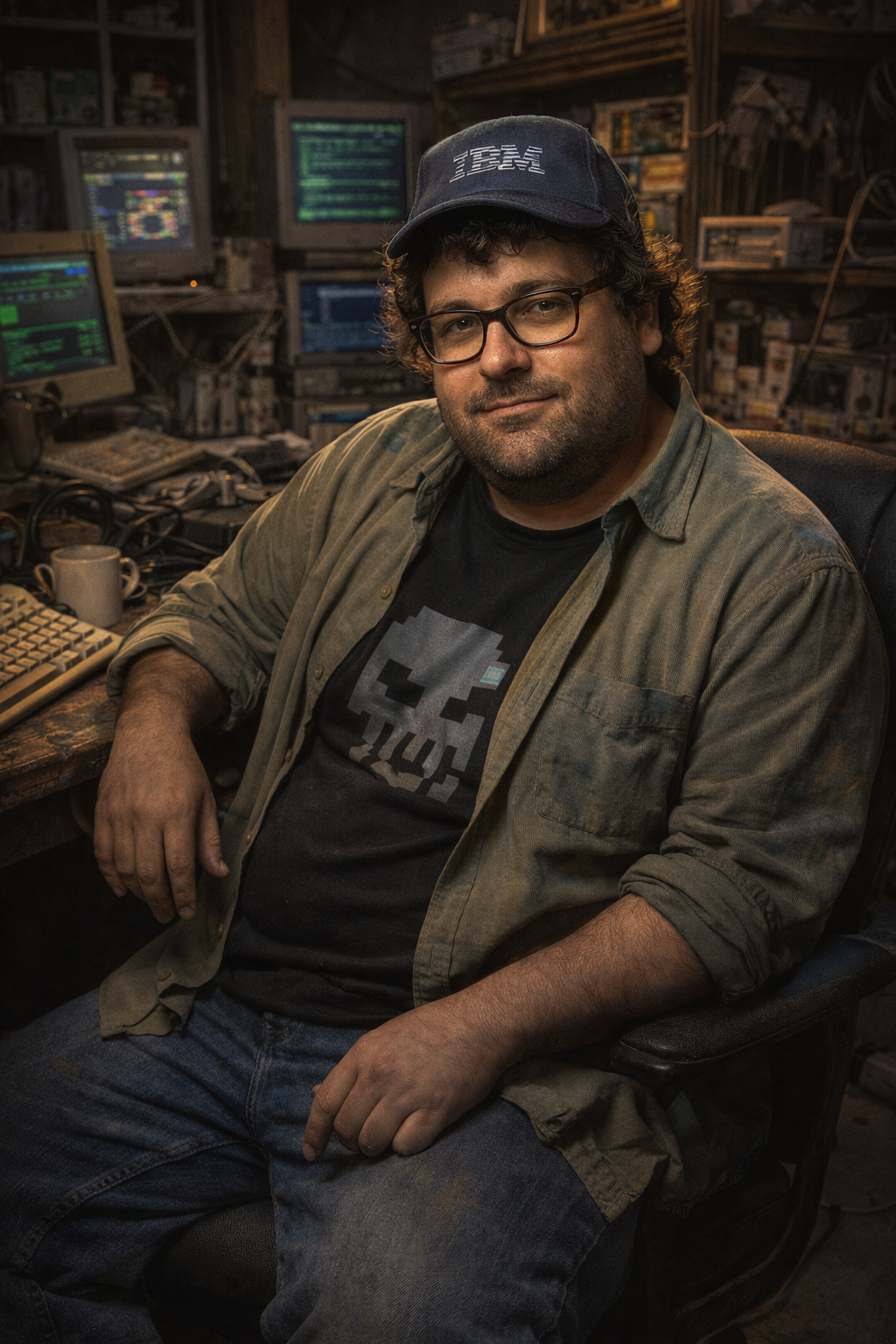
When he arrived, he carried two laptops, a backpack full of network tools, and an old blue IBM baseball cap that he wore almost every day.
Nobody knew exactly how old the cap was. Some residents joked that it was older than parts of the network he was replacing.
Oliver didn't care. He liked the cap.
For weeks he upgraded routers, repaired links, traced cables, and built a reliable communication backbone for the island.
The beaches were beautiful. The sunsets were incredible.
Oliver barely noticed.
At almost the same time, Léa Moreau arrived on Island Atoll as a tourist.
Most visitors came for beaches, diving, and adventure tours.
Léa enjoyed those things.
But what fascinated her most were intelligent and passionate people.
People who became excited when discussing what they loved.
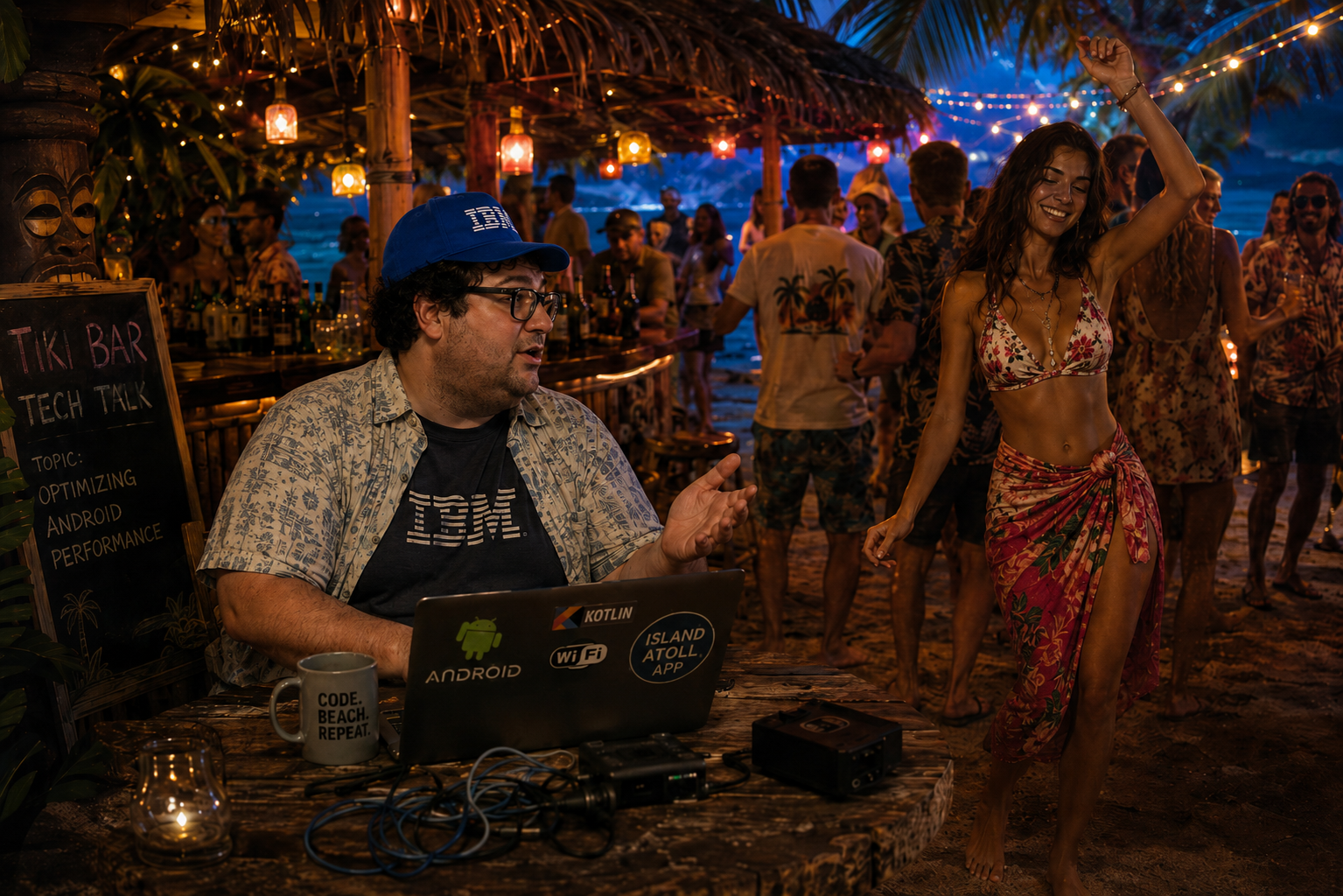
One evening she visited the famous Tiki Bar.
Music played across the beach. Lanterns glowed above the sand. Tourists gathered near the dance floor.
Yet in one corner sat a slightly overweight man wearing glasses and an old blue IBM cap.
He was enthusiastically explaining wireless networking to a small audience.
That man was Oliver.
Léa listened quietly.
Most people eventually drifted away.
She stayed.
When the discussion ended she walked over.
That conversation lasted for hours.
They talked about technology, travel, island life, satellites, programming, and future plans.
For the first time since arriving on the island, Oliver forgot to check his work emails.
Over the following months, Léa seemed to appear everywhere Oliver worked.
Sometimes she read books while he worked.
Sometimes she asked questions.
Sometimes they simply watched the sunset together.
For Léa, falling in love happened quickly.
She admired Oliver's intelligence. His kindness. His curiosity. His willingness to help anyone with a computer problem.
Most importantly, she admired how genuine he was.
There was no performance. No pretending.
Just Oliver being Oliver.
Eventually Oliver completed the infrastructure project.
His company expected him to return to the mainland.
Instead, the Island Council offered him a permanent position.
The island needed:
Oliver accepted.
Mostly because Island Atoll already felt like home.
And because Léa was there.
Finding housing was difficult. Most homes were already occupied.
The solution came from the White House residence.
A large basement beneath the building was available. Originally intended for storage and maintenance, it was spacious, dry, and secure.
The island administration offered it to Oliver as both a residence and a technical workspace.
Together, Oliver and Léa transformed it into a home.
Not luxurious. Not glamorous.
But theirs.
Today visitors are often surprised.
One of the island's most beautiful women lives in a basement full of computers.
Yet Léa would not trade it for any luxury villa on Island Atoll.
Because home is not the basement.
Home is Oliver.
And Oliver eventually realized something too.
Even now, years later, island residents still see the same familiar scene.
Oliver sits at the Tiki Bar with his laptop, wearing his old blue IBM cap while discussing technology.
Not far away, under lantern light and tropical music, Léa dances with friends and enjoys the evening.
Every time Oliver looks up and sees her smiling, he remembers exactly why he decided to stay on Island Atoll.

Island Atoll Resident Archive
After the famous magazine photoshoot on Island Atoll (see link)
🌺 The Unexpected Discovery of Léa Moreau
Léa Moreau returned to her normal life.
At first, she didn't think much about the attention.
The magazine was successful, and people around the world admired the tropical photographs, but Léa still spent most of her days the same way she always had.
She often sat beside Oliver while he worked on updates for the Island App.
But messages kept arriving.
Readers wanted to know more about the mysterious woman from Island Atoll.
Tourists asked where the photographs had been taken.
Travel blogs began sharing the images.
Eventually, friends convinced Léa to create social media accounts.
At first she posted only simple photographs from everyday island life:
People loved them.
Unlike many travel influencers, Léa was actually living on the island.
Her photographs showed real island life rather than staged luxury vacations.
Followers appreciated the authenticity.
Within a few years, Léa's audience grew rapidly.
Visitors from around the world followed her accounts to see:
Many followers became interested in Island Atoll itself.
Tourists began arriving with screenshots of places they had seen in Léa's posts.

Some even joked that Léa's social media had become a better travel guide than most tourism websites.
Oliver found this amusing.
Whenever someone praised Léa's online content, he would quietly point out that many visitors also used the Island App.
Then someone would remind him that most people discovered the island through Léa first.
Behind the scenes, Oliver Byte quietly helped with the technical side of Léa's growing online presence.
While Léa created content, Oliver made sure everything worked reliably.
Residents often joked that Island Atoll's most famous creator was supported by the island's most famous computer nerd.
Over time, residents noticed that Léa and Oliver promoted Island Atoll in different ways.
Together they became unofficial ambassadors of Island Atoll.
Today many people know Léa Moreau as:
Yet island residents still see her the same way they always have.
She is simply Léa.
The friendly woman who loves sunsets, tropical beaches, community festivals, and spending time with Oliver Byte.
Whenever visitors ask how she became famous, Léa often smiles and says:
Meanwhile Oliver usually adds:
To which Léa laughs and replies:
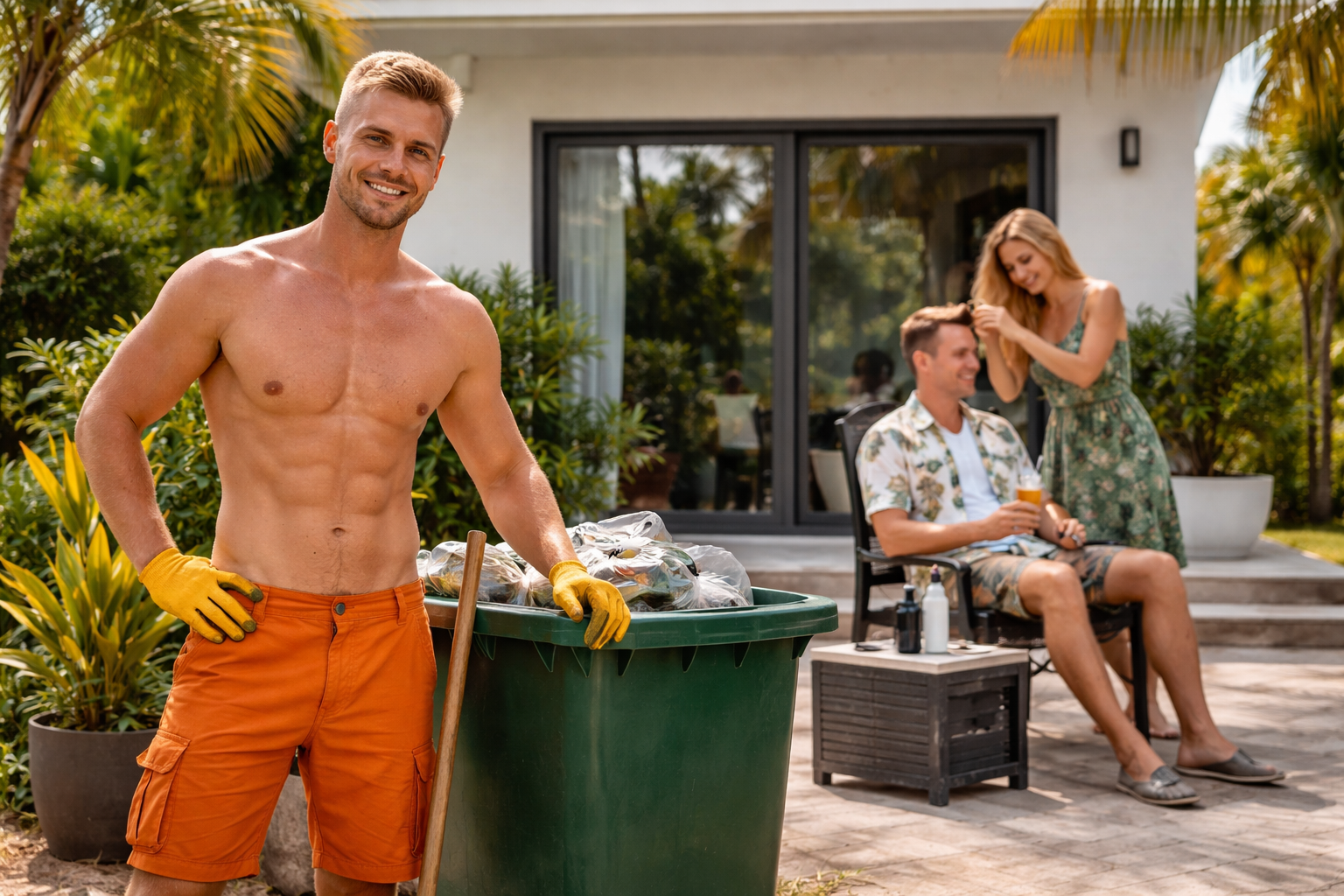
Home: White House – 2nd Floor (above Kairo)
Trashman Bruno Keller: Keeps the island clean with his garbage boat. Collects waste from docks, beach houses, and the harbor, and transports it to the trash burn station. Knows every small dock and hidden beach on the island.
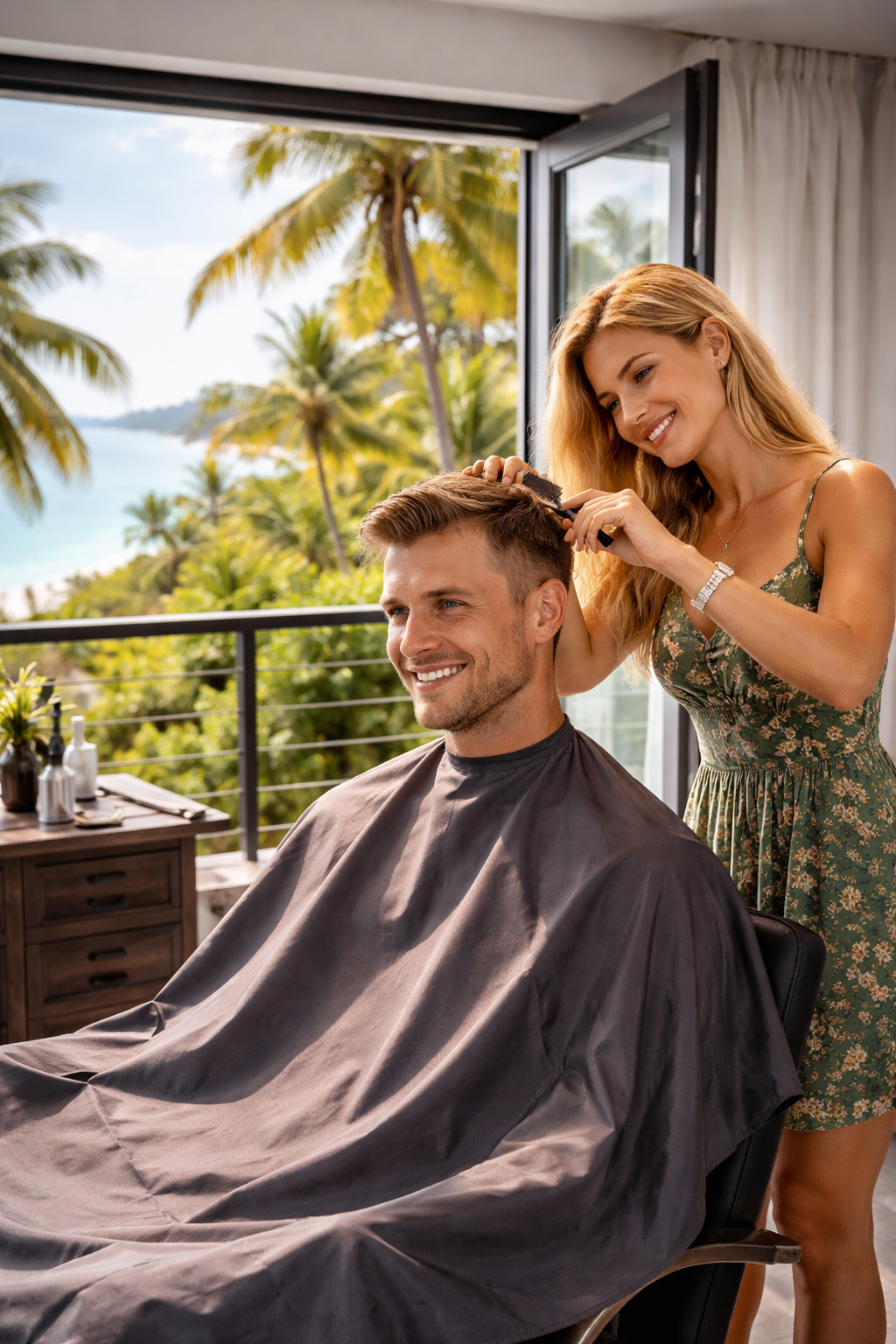
Sofia Keller – Haircut & Wellness: Runs the Haircut & Wellness Salon in the front room of the 2nd floor. Services include haircuts, beard trims, and relaxing head or shoulder massages. Her salon is also a small social hub for island residents. The couple lives on the same floor above Kairo.
Bruno Keller is known across the Independent Island Atoll as the island’s dedicated trashman — sailing his garbage boat through every dock, hidden beach, and swamp channel to keep Indeoendent Island Atoll clean. But one sun‑blasted afternoon, his usual route turned into an unforgettable adventure.
While navigating the tangled mangroves of the Palm Swamps — a territory crawling with snakes, crocodiles, and scorpions — Bruno spotted an oddly shaped wooden crate tangled in a cluster of vines and trash.
Most people would have left it alone. But Bruno didn’t just see trash — he saw a mystery waiting to be uncovered. With a long stick from his boat, he carefully pried it free. The moment he touched it, a hiss echoed from a nearby high root — a large snake sunning itself, disturbed by the movement.
Bruno didn’t flinch. He backed up slowly, then opened the crate — and inside he found an ancient artifact: a half‑buried pirate chest carved with spirals and ocean glyphs that legends claimed belonged to Captain Serpiente, a forgotten pirate whose treasure had vanished into the island’s lagoons long ago.
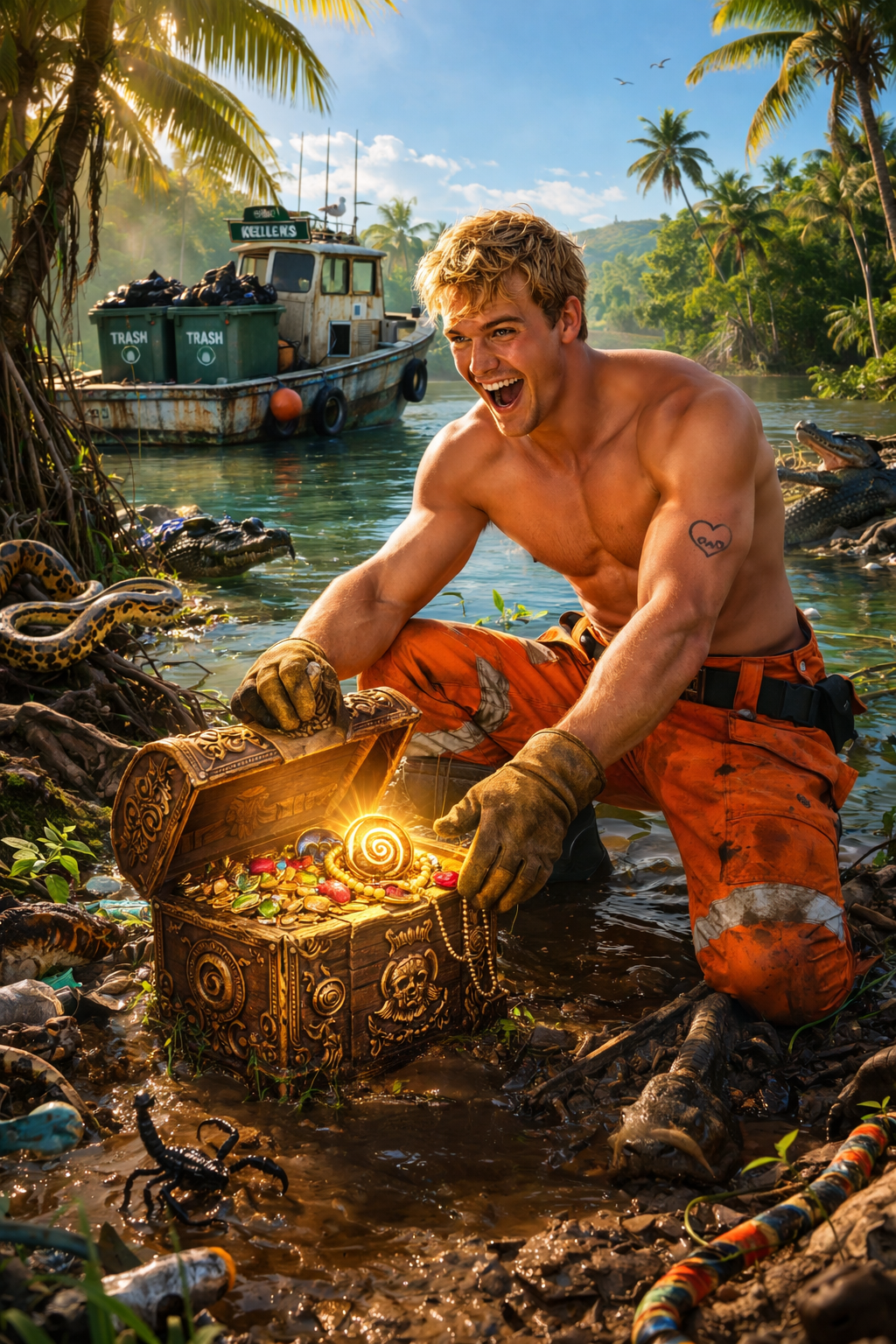
But the swamp wasn’t done testing him. As Bruno lifted the chest, he felt a *sharp pinch* on his ankle — a small scorpion had crawled unnoticed into his boot. With careful balance and reflexes only a seasoned garbage sailor could have, Bruno freed himself and leapt back into his boat, artifact in hand.
The crocodiles watched lazily from the water’s edge, as though they understood this was no ordinary find. Bruno would later joke that even they were curious about the pirate treasure.
Back at his workshop on the 2nd floor of the White House, Bruno cleaned the artifact and studied its carvings. The amulet tucked inside hummed quietly — as if alive with stories of sunken ships, hidden grottoes, and lagoon shadows. Word spread fast: Bruno Keller had uncovered Independent Island Atoll’s greatest unsolved secret.
Now, when he isn’t hauling trash from docks or beaches, Bruno spends his time piecing together the secrets of the pirate artefact. Some say the amulet is a map to even more mysteries hidden deep within the lagoons, tunnels beneath the Old Fortress on the Hills, or even the Abandoned Oasis. Whatever the truth may be, one thing is certain — life on Independent Island Atoll is never dull with Bruno around.
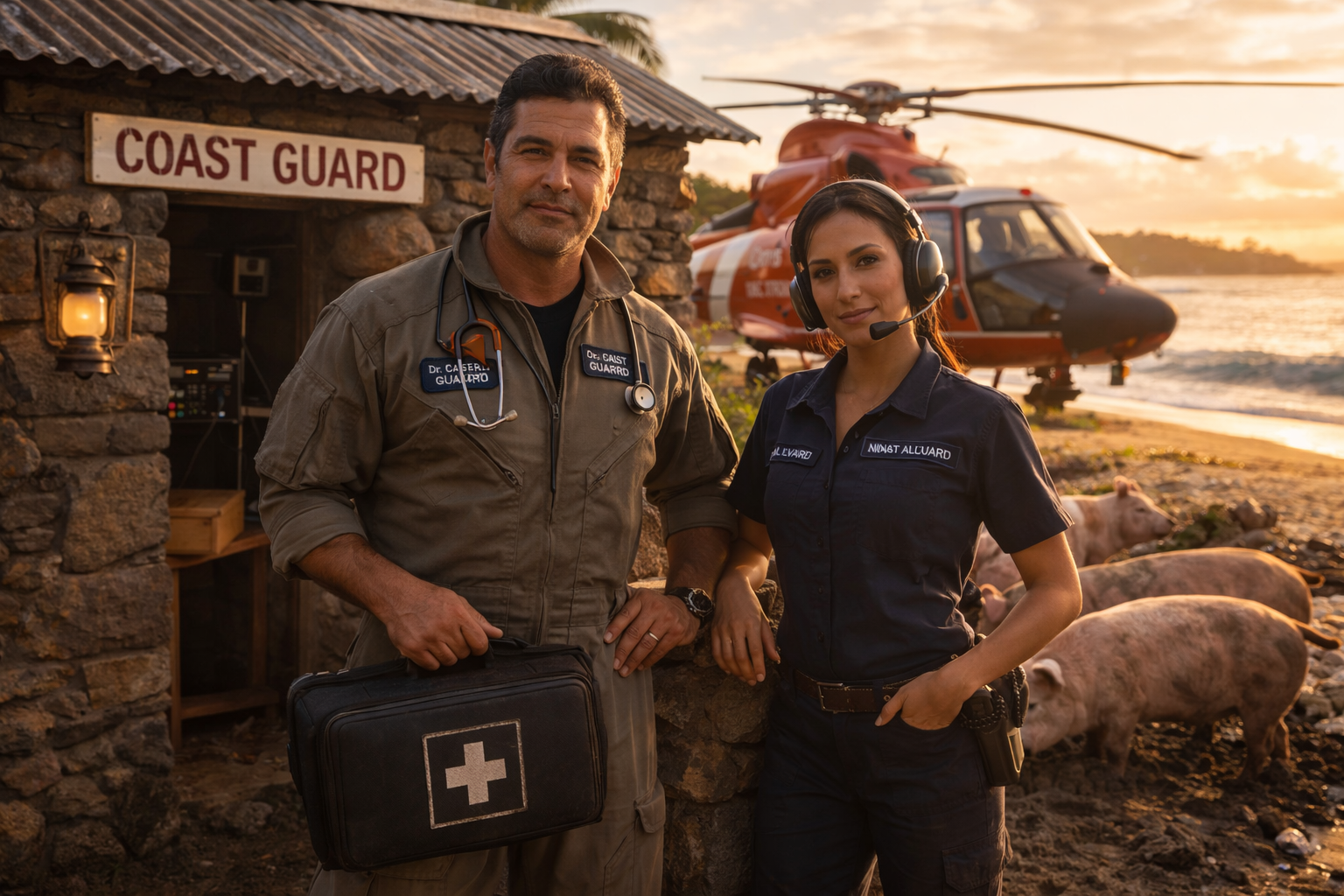
Home: White House – 3rd Floor
Doctor Miguel Alvarez: Island’s only rescue doctor and helicopter pilot. Performs emergency sea rescues, medical evacuations, and handles accidents on the island. Operates alone during missions.
flying doctor / helicopter emergency response coastal rescue medical support coordinates urgent transport cases
Nina Alvarez – Nurse & Radio Operator: Assists her husband in all medical emergencies. Manages radio communication while he is flying and prepares medical equipment for rescues. They met on a humanitarian mission in Africa and chose Island Atoll because medical help is rare and needed.
📡 Nina Alvarez
radio nurse,
emergency communications operator
Radio on ground, GPS + coordination support
links hospital-equivalent services + coast guard + Red Cross station
🔗 Together they form:
🧠 A medical + rescue coordination unit for the entire island
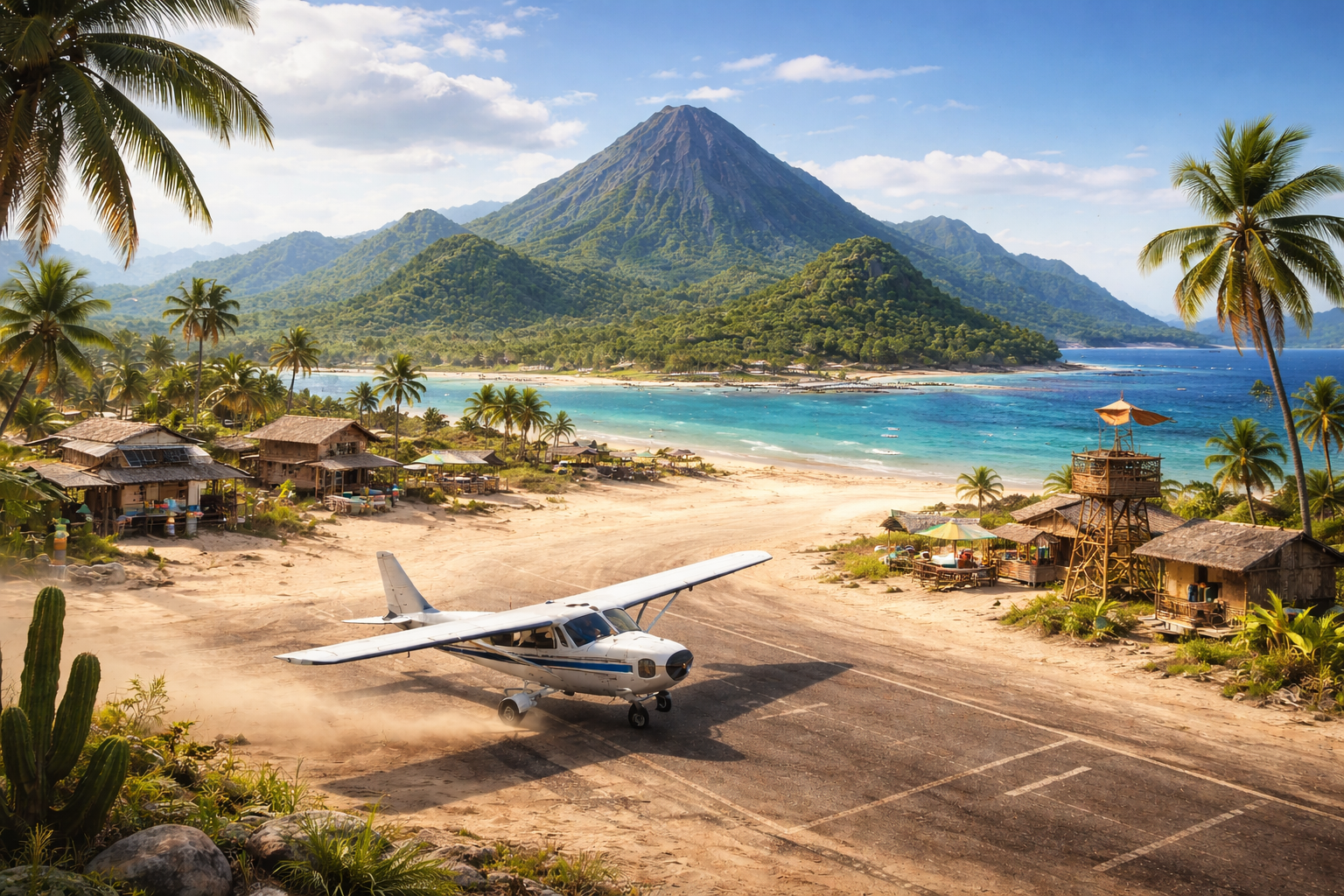
The Outer Island Airfield is more than just a runway; it is the lifeblood of the atoll, a hub of adventure, rescue, and family life where skies, seas, and stories intersect.
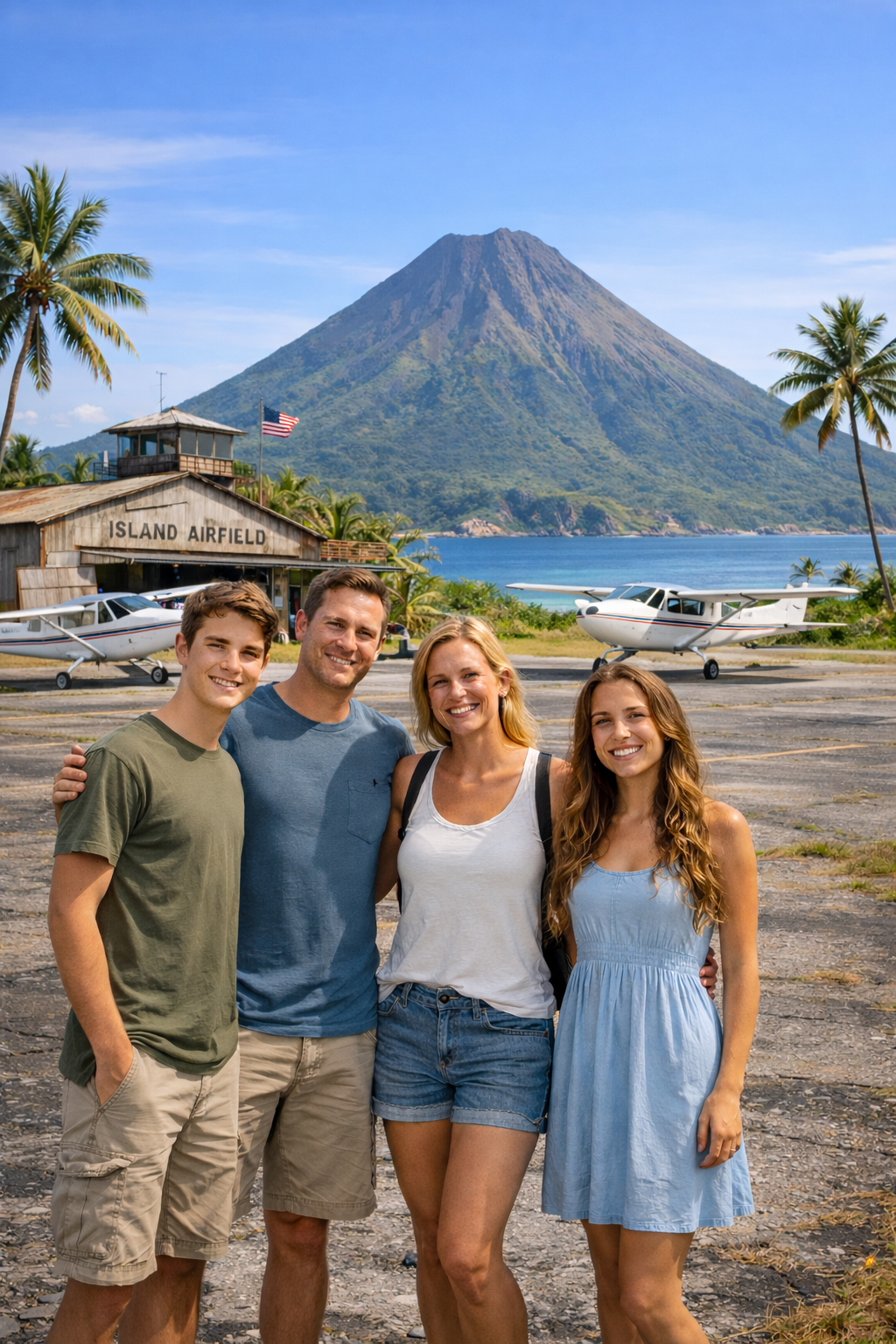
The airfield is run by a remarkable family of pilots who live in a house near the runway. The mother Claire Sanderson and father Robert Sanderson are both experienced pilots, guiding seaplanes and bush Cessnas, while their son Luke trains for a future in aviation and their daughter Emma manages the control tower and airport office operations. Together, they maintain the airfield as a home, a workplace, and a base for adventure.
The son of the airfield family is learning to fly under the guidance of his parents. He trains in seaplane maneuvers, bush strip takeoffs, and emergency procedures, preparing to become the next generation of the atoll’s air traffic heroes.
The daughter manages the control tower and office. She monitors weather, coordinates landings, communicates with visiting aircraft, and keeps everything running smoothly. Her skill ensures safety, efficiency, and seamless coordination between all airfield activities.
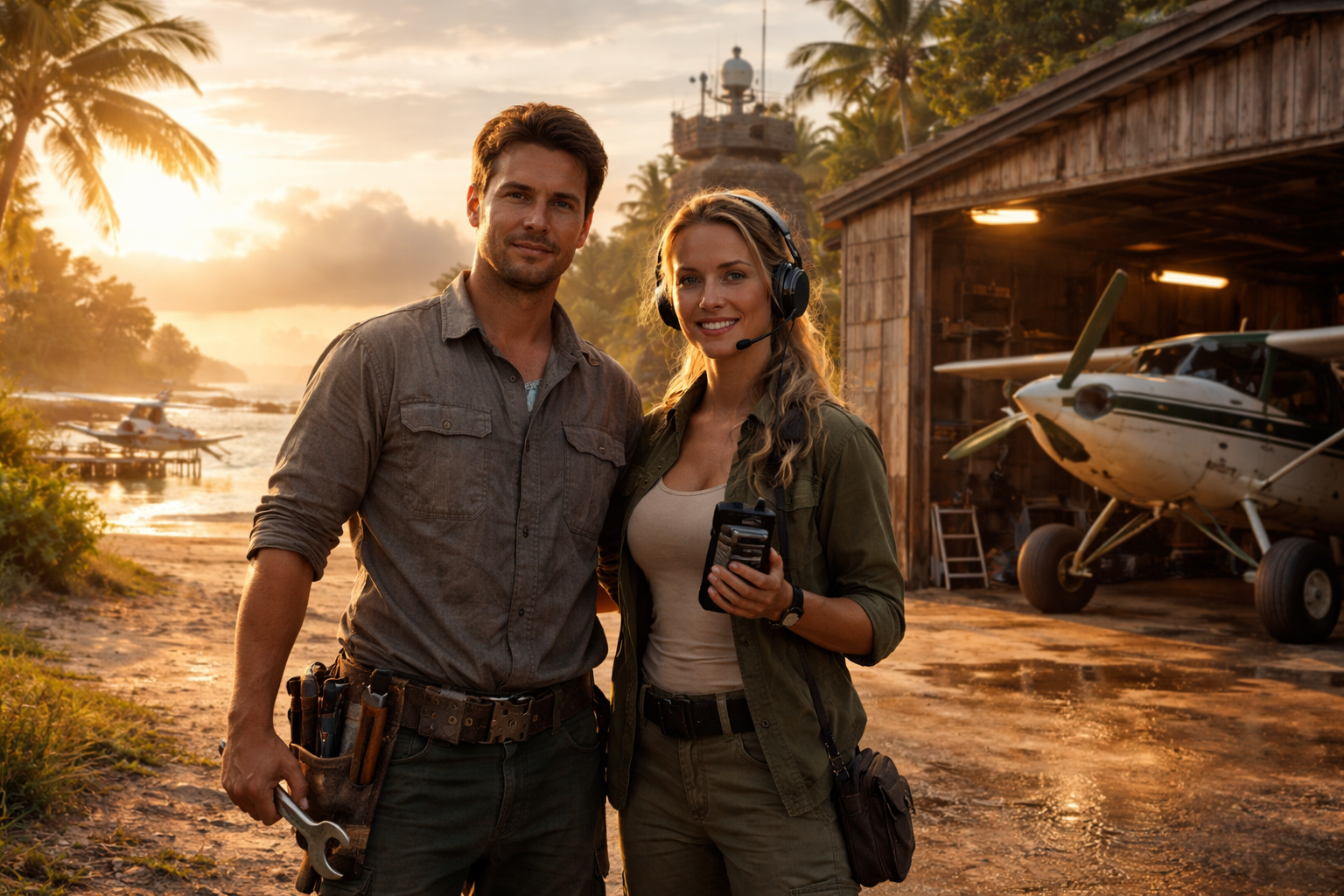
Jack Harper and Lila Harper are Two dedicated helpers live on-site in a bungalow and manage all ground operations. Fueling planes, repairing equipment, maintaining hangars, and ensuring safety, they are the backbone of daily operations and always ready to assist in emergencies or adventure logistics.
The seaplane is a central tool for daily operations, from transporting tourists to rescue missions during storms. Landings on lagoons, docks, or open water are routine, and its operations are closely coordinated with the tower and the Crazy Scientist’s weather data.
John Hart coordinates exploration trips and adventure tours from the Outer Island Airfield. Using the seaplane and bush Cessna, he takes visitors to remote locations, small islands, cliff landings, and hidden lagoons, making the airfield the launchpad for adventure across the atoll.
A luxurious apartment with a private pool sits near the airfield, housing a visiting millionaire who occasionally lands in the 8-seat Cessna. Though rarely present, this apartment adds a touch of high-end glamour to the rustic island life.
Every aspect of the Outer Island Airfield is designed to be cinematic: planes skimming over lagoons, storm clouds rolling over the hills, families and helpers moving across docks, and adventure trips launching into the sky. It is a place of motion, life, and drama — perfect for storytelling, episodes, and visual exploration of island life.
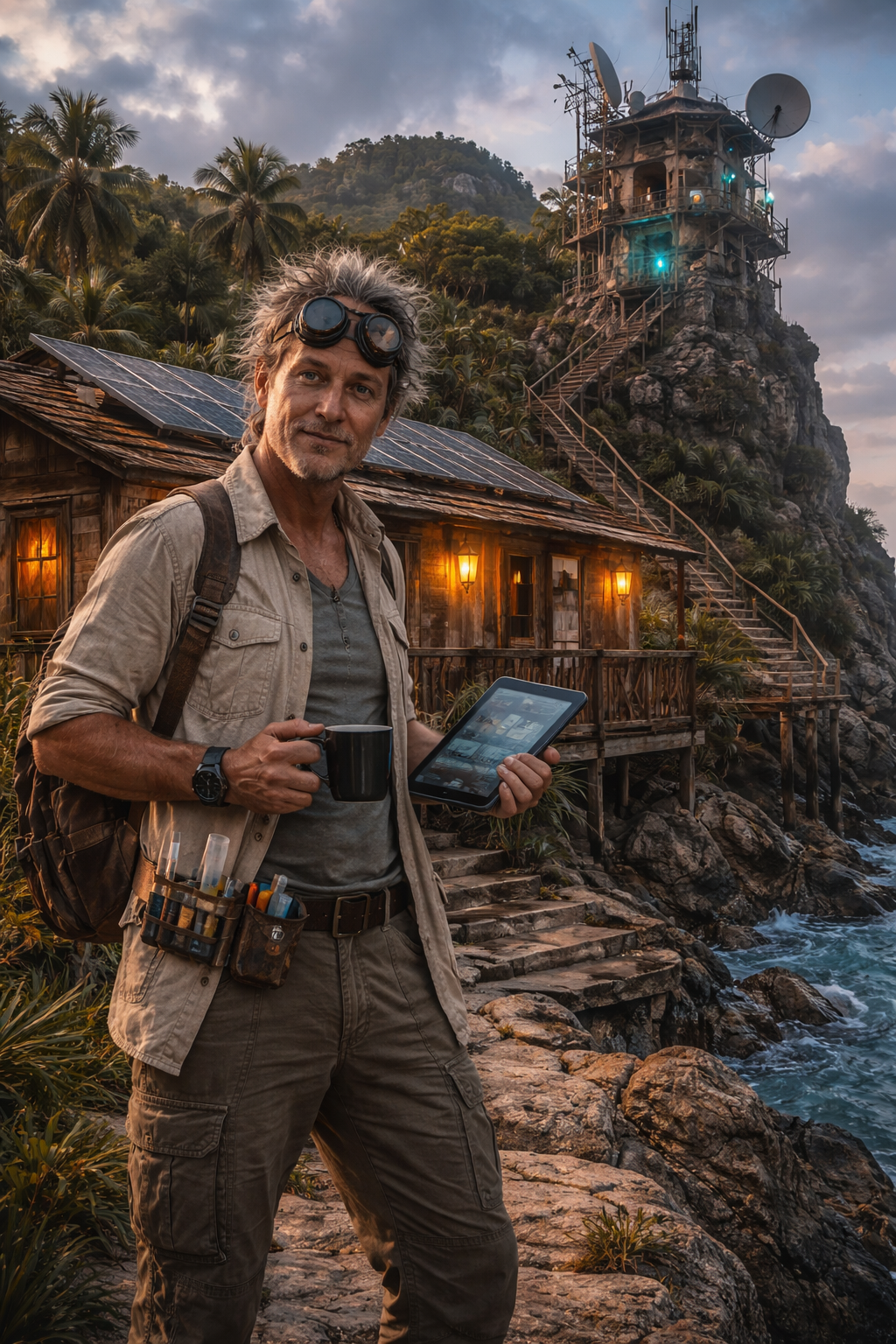
Before he became the island’s most mysterious figure, the Crazy Scientist was a serious experimental researcher and pilot. He worked in a lab, preparing flight experiments and testing high-altitude atmospheric data for human research.
One day, he prepared an experimental flight with handwritten notes. One of the main test points was written as: “10k high” — meaning 10,000 meters.
But his handwriting was terrible.
Inside the cockpit, while setting up instruments and reading his notes, he misread it as: “10m”.
He set the autopilot to 10 meters instead of 10,000 meters.
Confident everything was correct, he focused on his experiment systems, instruments, and data collection… not realizing the plane was slowly descending.
When he finally looked up — the mountains of the southeast island hills were directly in front of him.
He tried to pull up.
It was too late.
The plane crashed into the southeast hills of the island atoll.
By pure luck, he survived without serious injuries. But he was alone — deep in wilderness, far from any known settlements. He believed he had crashed on an empty, uninhabited island.
Using his intelligence and survival skills, he:
His mindset was simple and powerful:
“I must survive. The experimental data from this flight is important for human mankind.”
For six months, he lived alone in the wilderness, building a complete survival base out of:
He always watched the sea, waiting for rescue. He never explored inland.

One day, after six months, he finally walked inland over the palm hills…
And then he saw it.
People. Houses. Life. Civilization.
He realized:
“Oh my god… the island is full of people. I was living six months in the wilderness thinking this island was empty. I only had to walk over the palm hills.”
Today, the Crazy Scientist lives in the northeast of the island in a rebuilt lab made from:
The original crashed plane structure still exists. What he built from it during those six months is now preserved.
Today, it has become something unique:
✨ A rentable adventure holiday location ✨
Organized by John and Li, visitors can now:
It’s no longer just a crash site. It’s part of island history. Part of island mythology. Part of island identity.
From accident → to survival → to legend → to adventure experience.
| Resident | Arthur Kingsley & his team |
| Job / Role | Investor / Private Pilot |
| Location | Private Estate — Outer Island Airfield Residence |
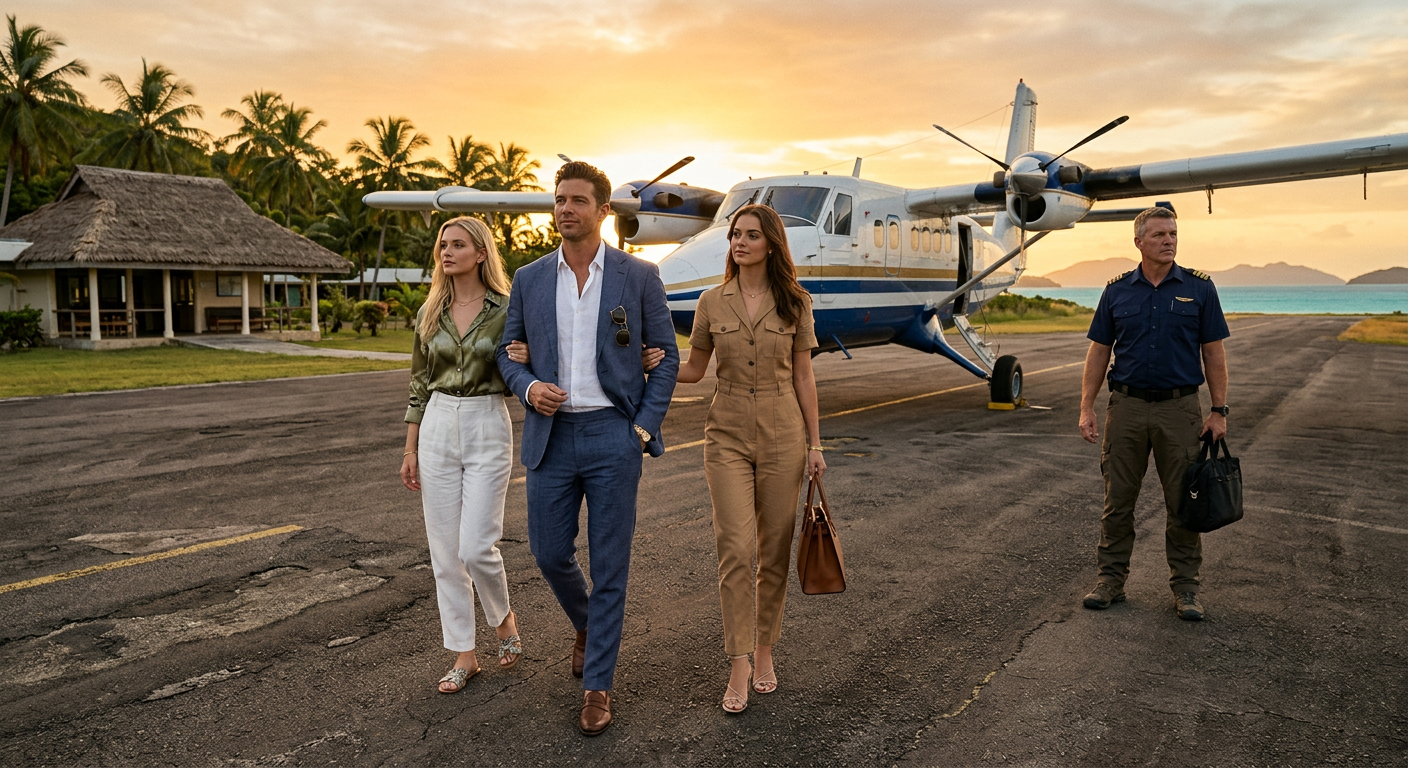
Arthur Kingsley lives in a secluded luxury estate near the island’s outer airfield. His residence includes a private pool overlooking the lagoon and direct access to aviation routes connected to the mainland.
He owns and personally operates an 8-seat private Cessna aircraft, used for fast travel between the atoll and coastal cities.
Accompanying him is a trusted close associate — a long-time friend who serves multiple roles:
Arthur is often seen in refined, formal island attire, reflecting his status and controlled public presence.
He is occasionally accompanied by two girlfriends — a blonde and a brunette — both working in the creative entertainment industry (models and performers), who travel with him between island events and mainland appearances.
Despite his visibility, Arthur remains intentionally private about his personal life and business intentions.
No one fully understands whether he is simply enjoying the island… or quietly shaping its future.
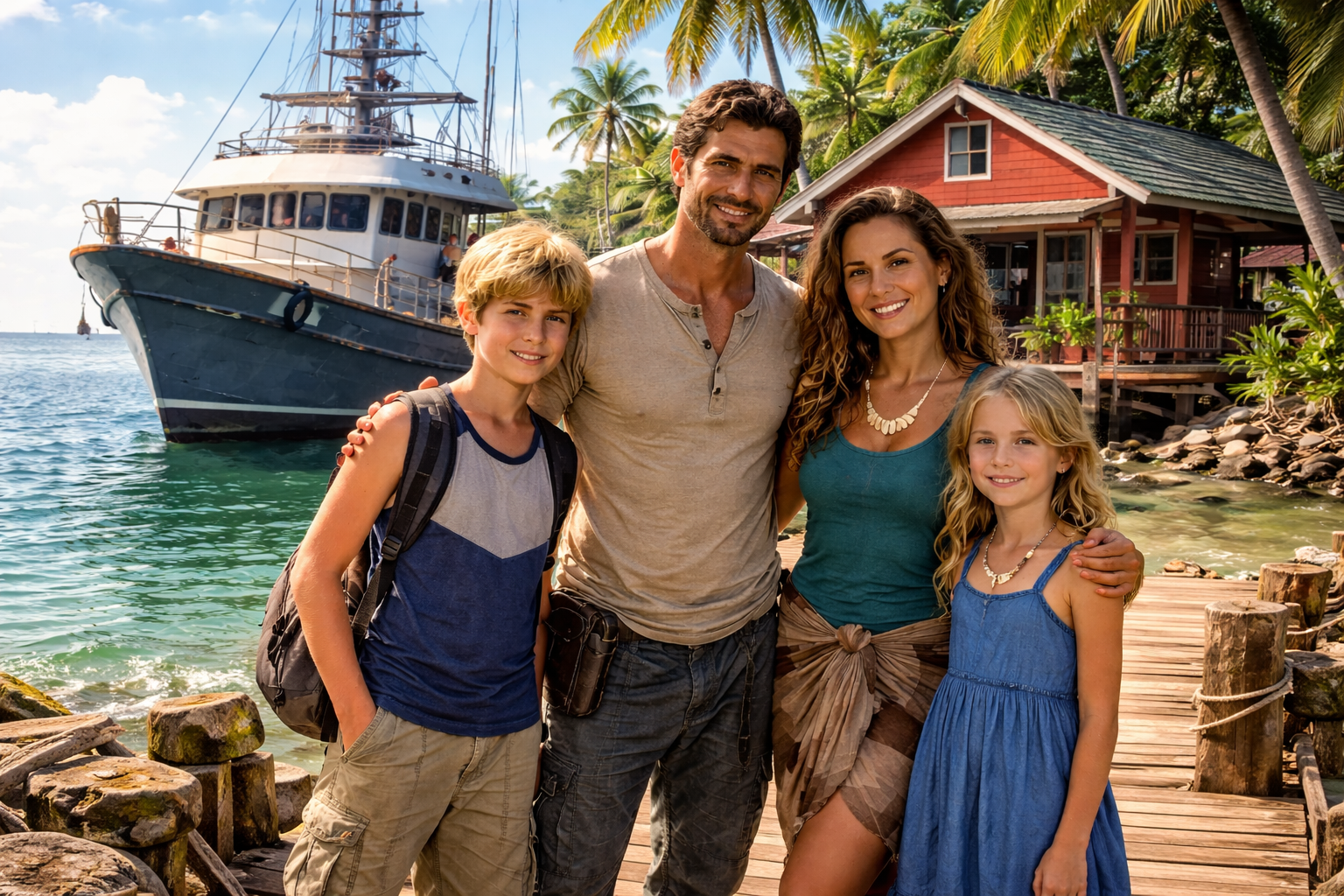
The Maréa family are the deep-sea navigators of the island. They are known for long-distance fishing, open-water navigation, and storm survival.
They fish far from shore, often days at sea, bringing back tuna, marlin, swordfish, and deep-water species.
They are calm, disciplined, and quiet people. They speak little, but when they do — people listen.
“The sea is not chaos. It is a system.”
The Kanoa family is a cornerstone of the island atoll community, blending traditional fishing life with the youth culture of the island. They are deeply connected to the sea, the land, and island traditions.
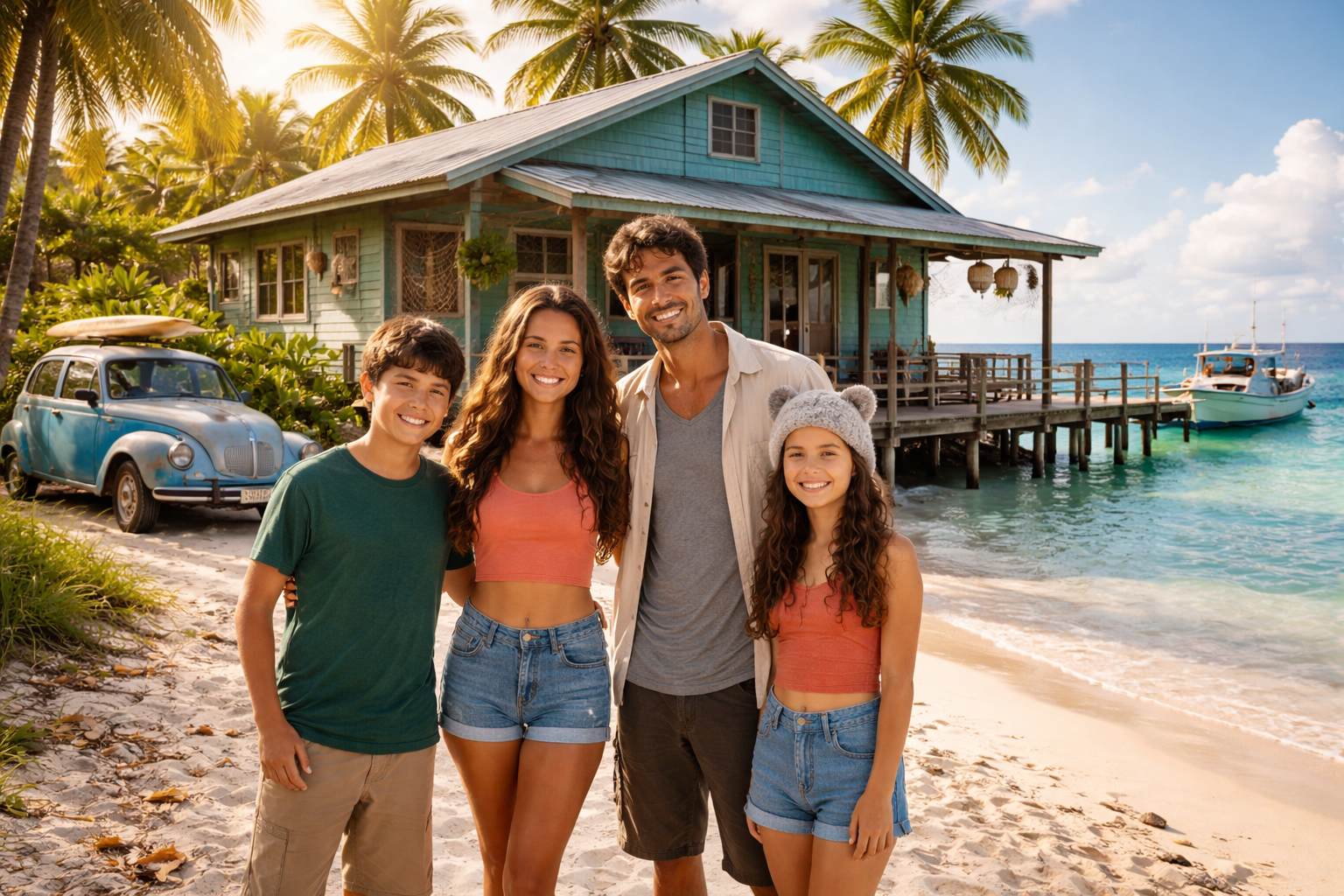
The Kanoa family embodies the harmony of tradition and youth culture on the island, balancing practical skills, cultural engagement, and creative exploration.
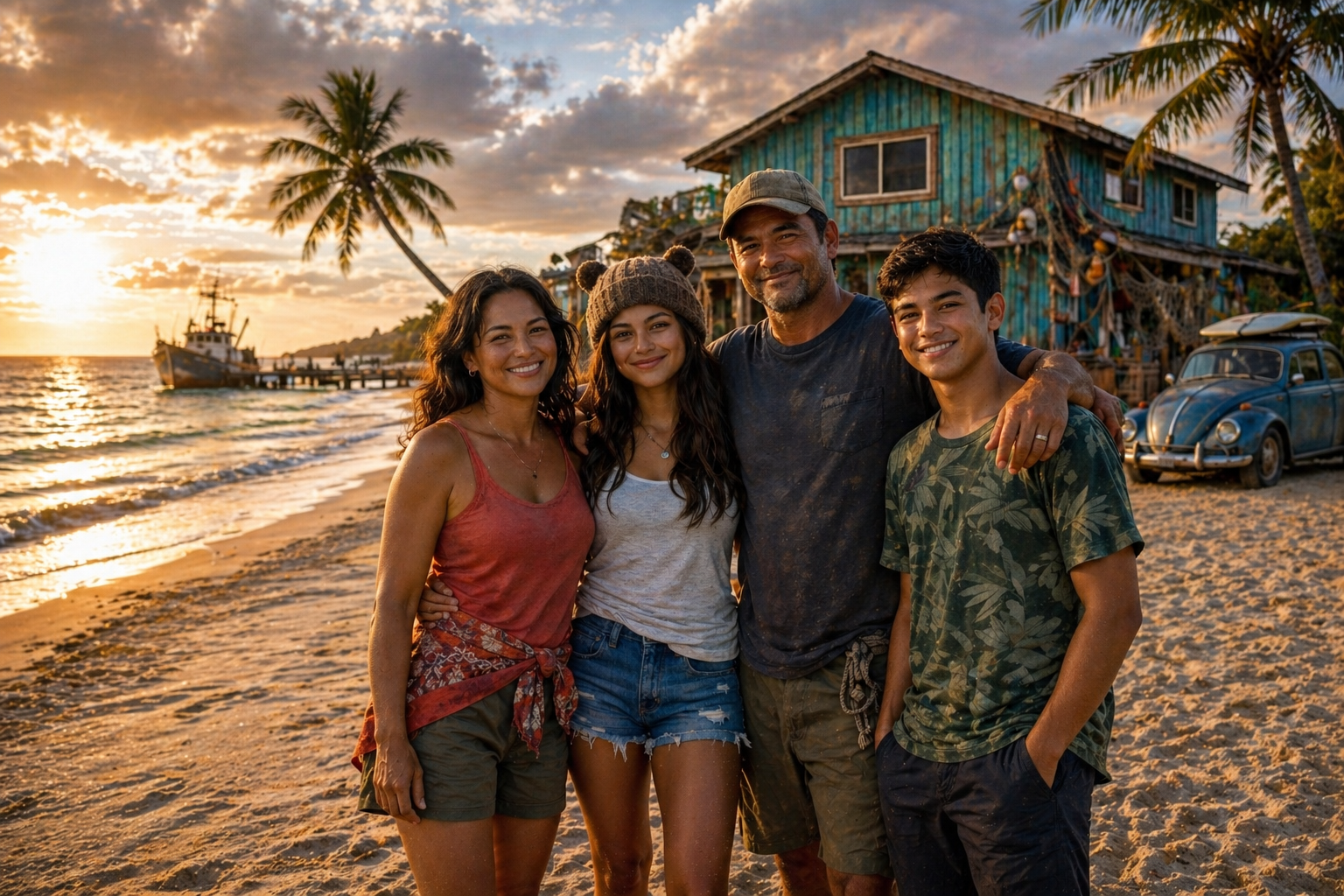
The Kanoa family live closest to the reef zones and shallow waters. They are masters of reef fishing, diving, and sustainable harvesting.
They know every coral formation, every current, every reef tunnel.
They protect breeding zones and teach young fishers:
They believe the reef is sacred.
“If you destroy the reef, you destroy tomorrow.”
The Vargo family are the builders, mechanics, and engineers of the fishing community.
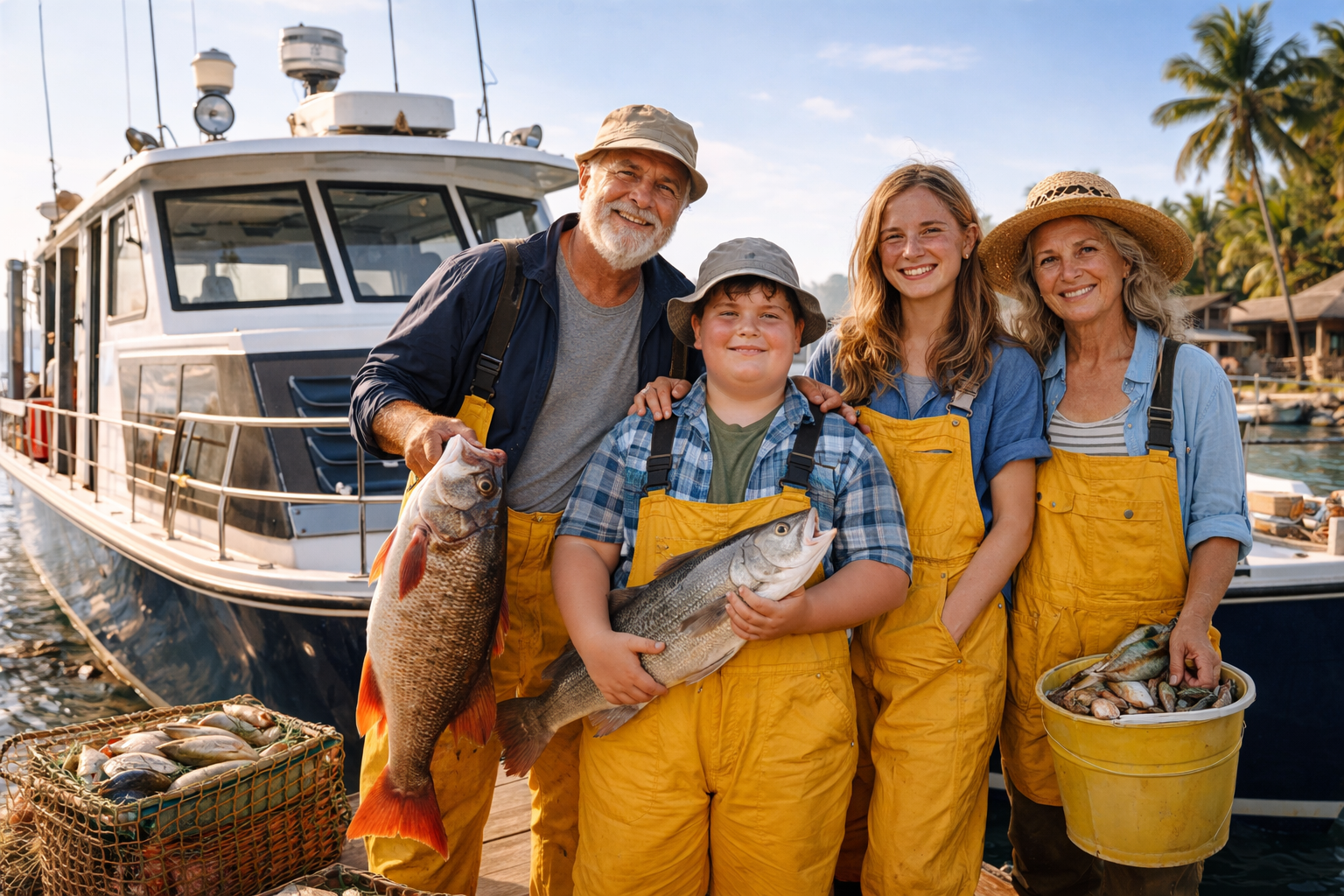
They repair:
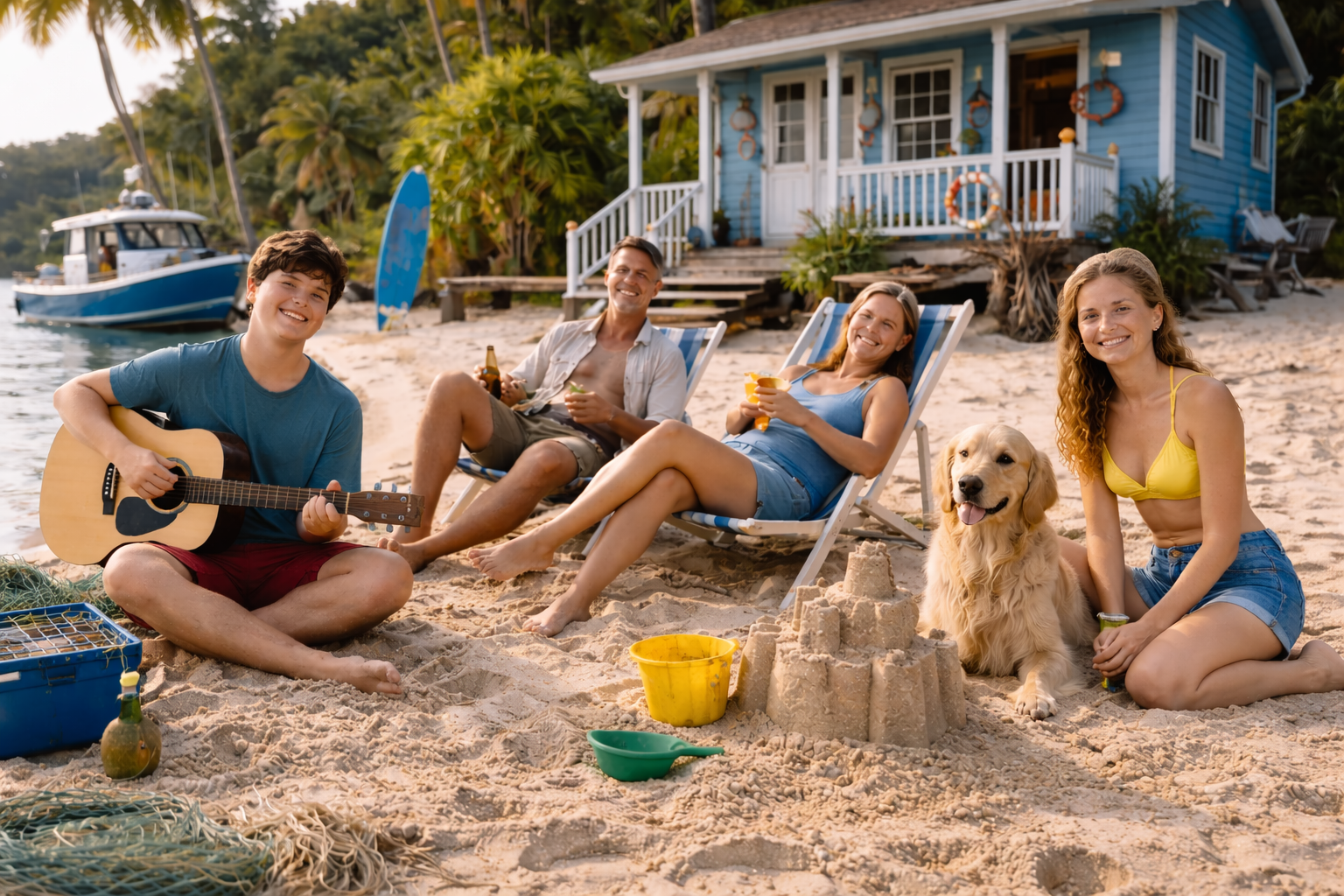
They don’t fish as much as others — but without them, nobody fishes.
“The sea moves boats. We keep them alive.”
Together, they form a complete sea ecosystem:
“Three families. One sea. One island.”
The fishers are not just workers of the sea — they are the living connection between the island and the ocean. They represent tradition, survival, knowledge, and balance.
For generations, fishing has been more than a job on the island — it is culture, identity, and responsibility.
The Fishers Village sits close to the waterline, where wooden houses, docks, nets, and boats form a living harbor zone.
It is always alive — morning nets, midday repairs, evening fires, night conversations.
They live with the rhythm of the sea — not clocks.
The sea is not seen as an enemy.
It is seen as:
“The sea gives. The sea takes. The sea teaches.”
Fishing knowledge is passed down:
Young fishers learn:
The fishers are not famous.
They are essential.
They don’t seek attention.
They create stability.
“When storms come, the island looks to the fishers.”
Adventures and events on the island.
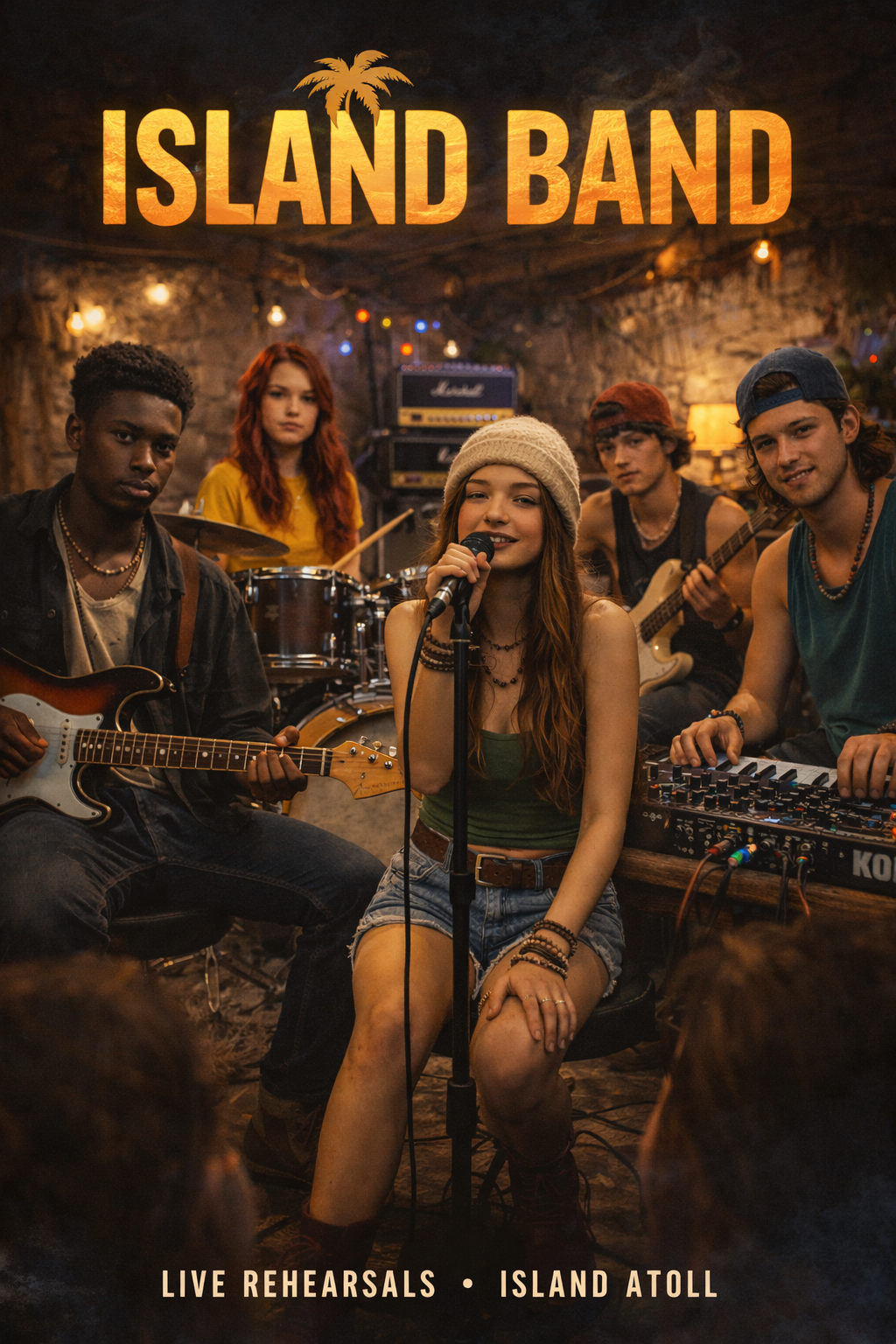
Life on the Independent Island Atoll is shaped by freedom, community, nature, and rhythm — a place where modern living blends naturally with wild landscapes and simple traditions.
The ocean is at the heart of daily life. Fishing boats leave at sunrise, divers and surfers move with the tides, and ferries glide across the lagoon like part of the natural flow of the island.
People don’t rush here — they move with the water, the weather, and the sun.
The island culture is built on trust, cooperation, and shared responsibility:
Everyone has a role — whether it’s fishing, building, farming, guiding, cooking, protecting, teaching, repairing, or organizing events.
When the sun sets, the island changes:
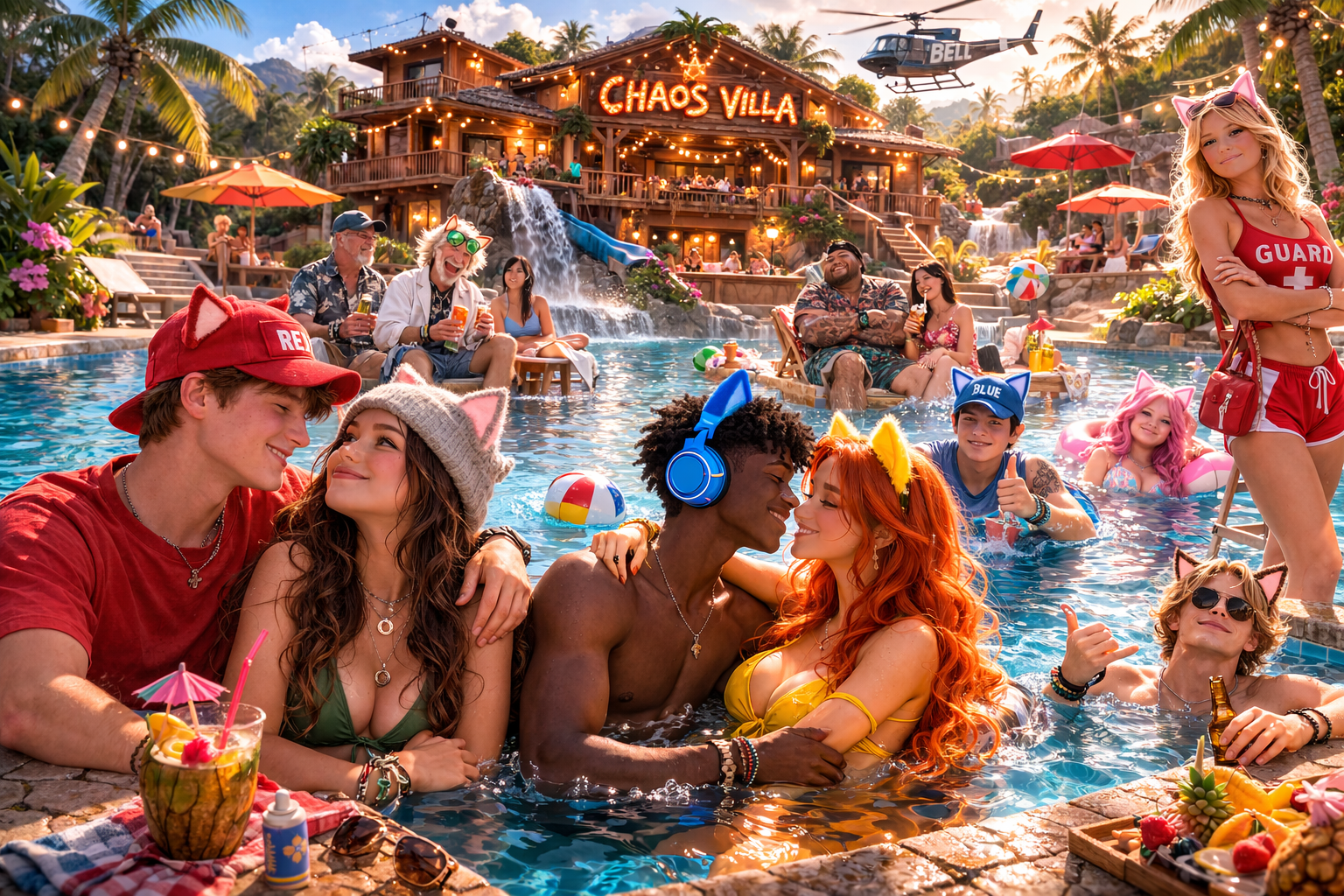
There’s no separation between locals and visitors — everyone becomes part of the island at night.
Life here isn’t luxury in the modern sense — it’s freedom luxury:
People live in wooden houses, stilt homes, villas, beach buildings, and apartments — but the real home is the island itself.
The island is not primitive — it has:
But it never loses its soul. Technology serves life — not the other way around.
Hidden tunnels, abandoned zones, strange labs, old ships, forgotten structures, and secret places give the island a feeling of constant discovery.
The culture encourages curiosity — people explore, learn, and adapt instead of fearing the unknown.
The most important rule of the island: People matter more than systems.
Relationships, trust, loyalty, love, friendship, and shared stories are what hold everything together.
The Independent Island Atoll is a place where:
It’s not a vacation island. It’s not a resort. It’s not a theme park.
It’s a living world.
A place where life feels real, human, and connected again.
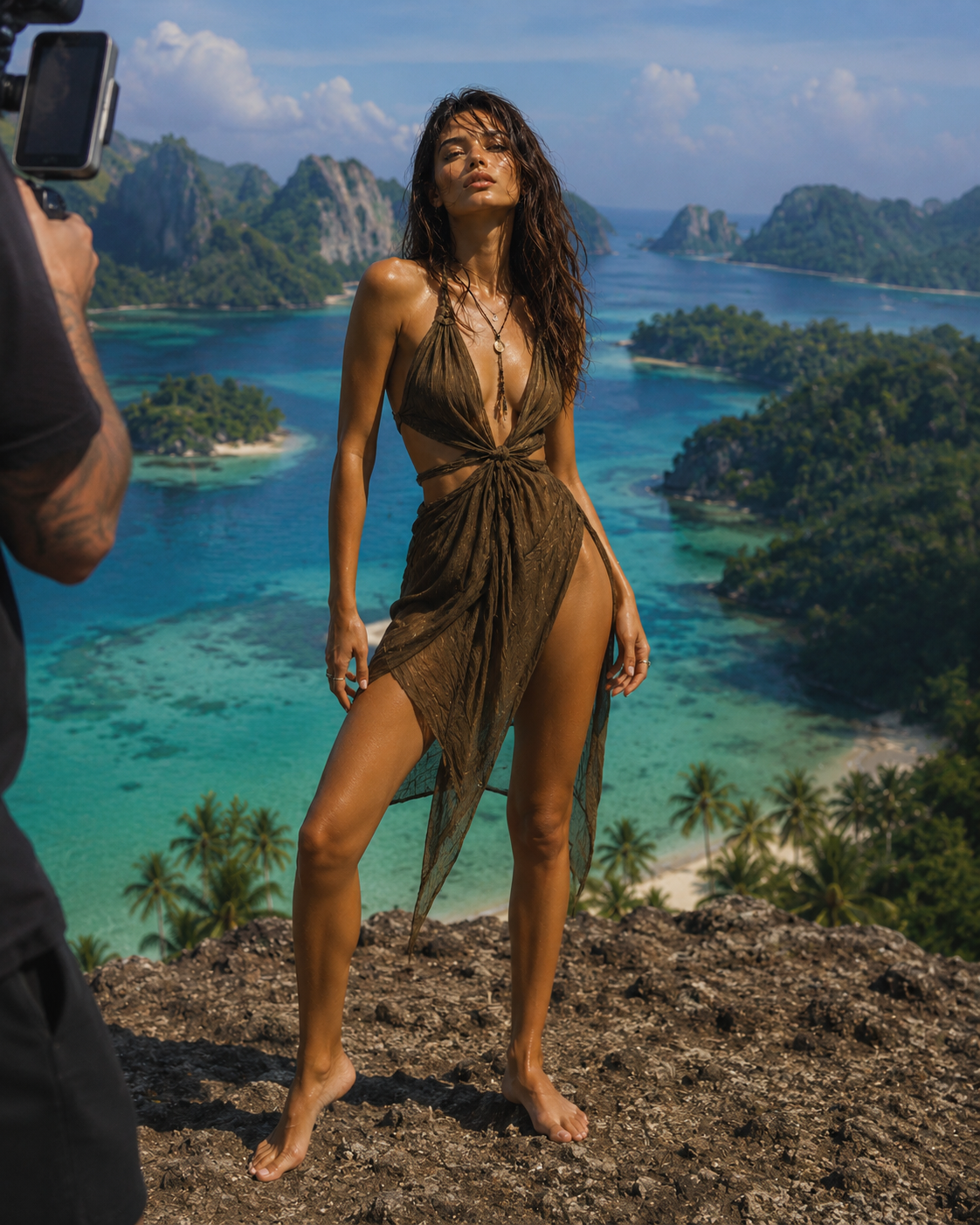
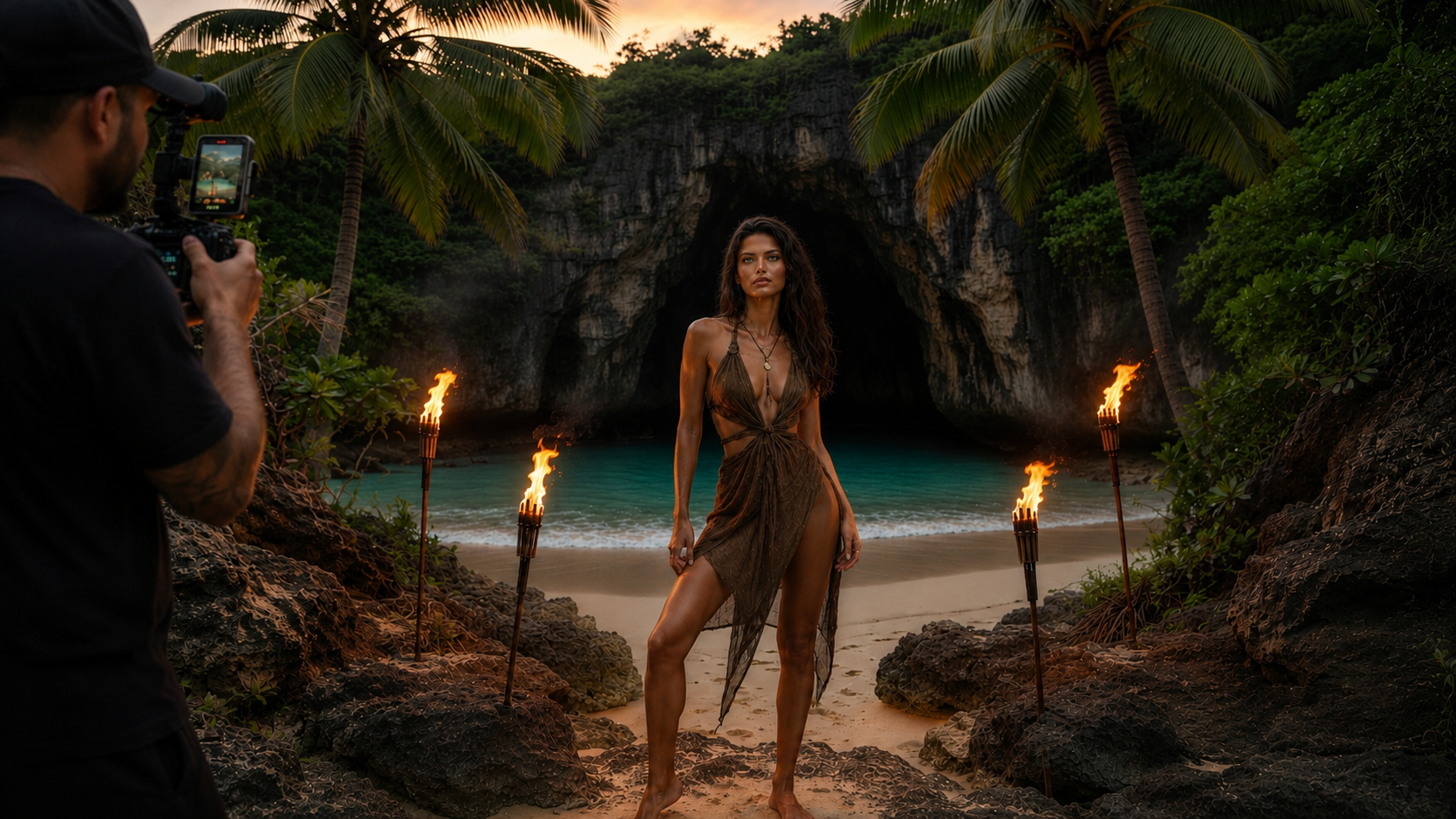
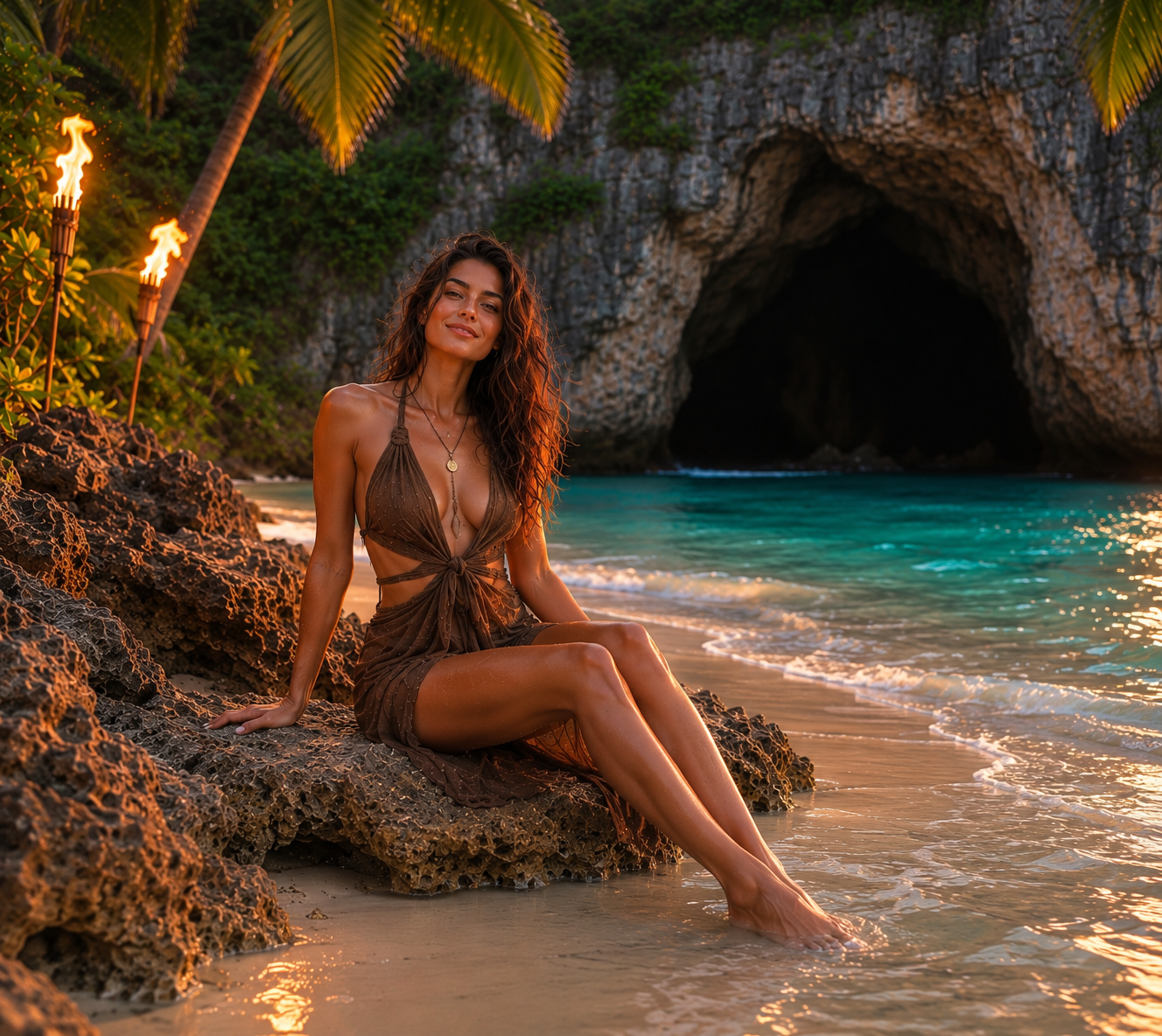
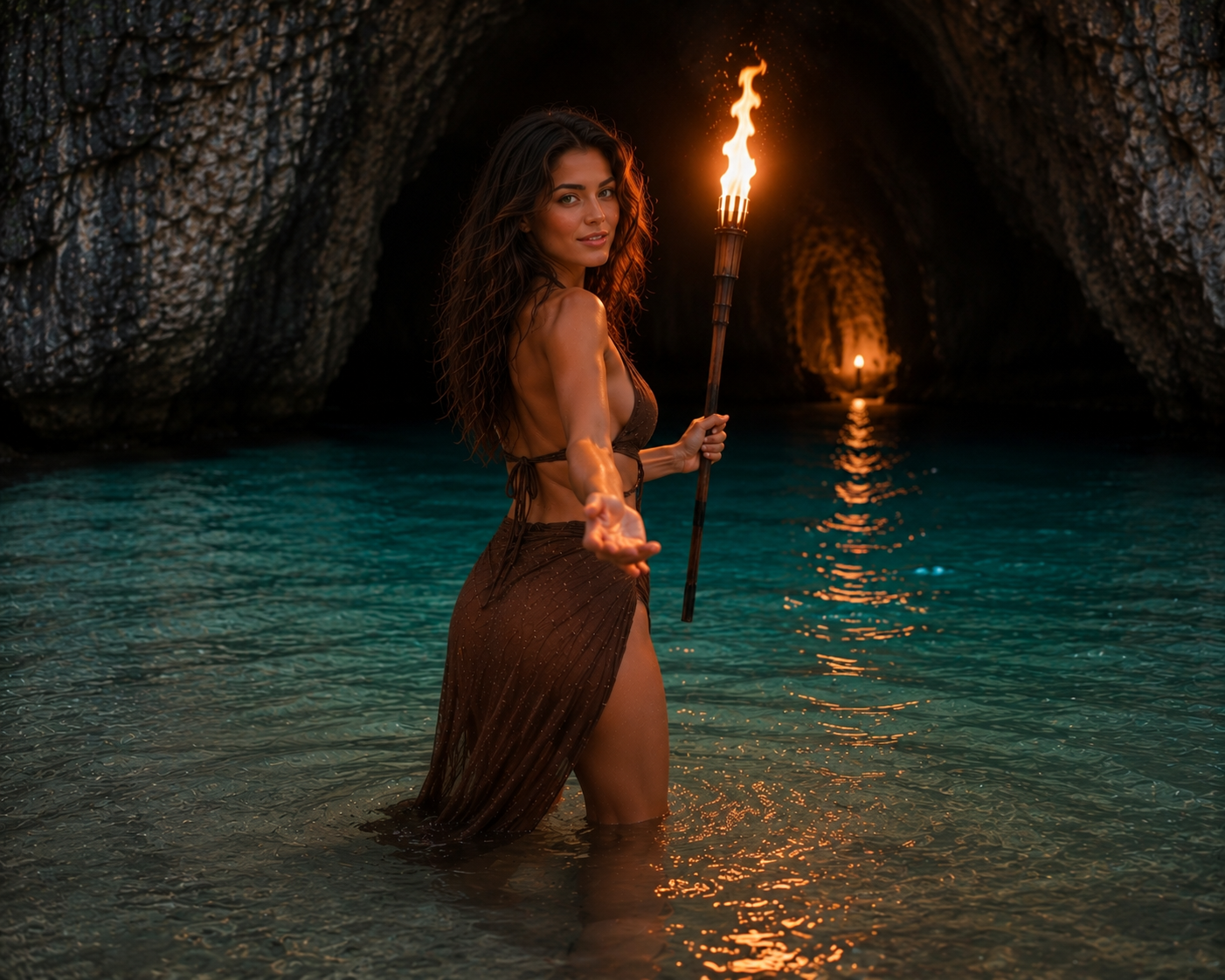
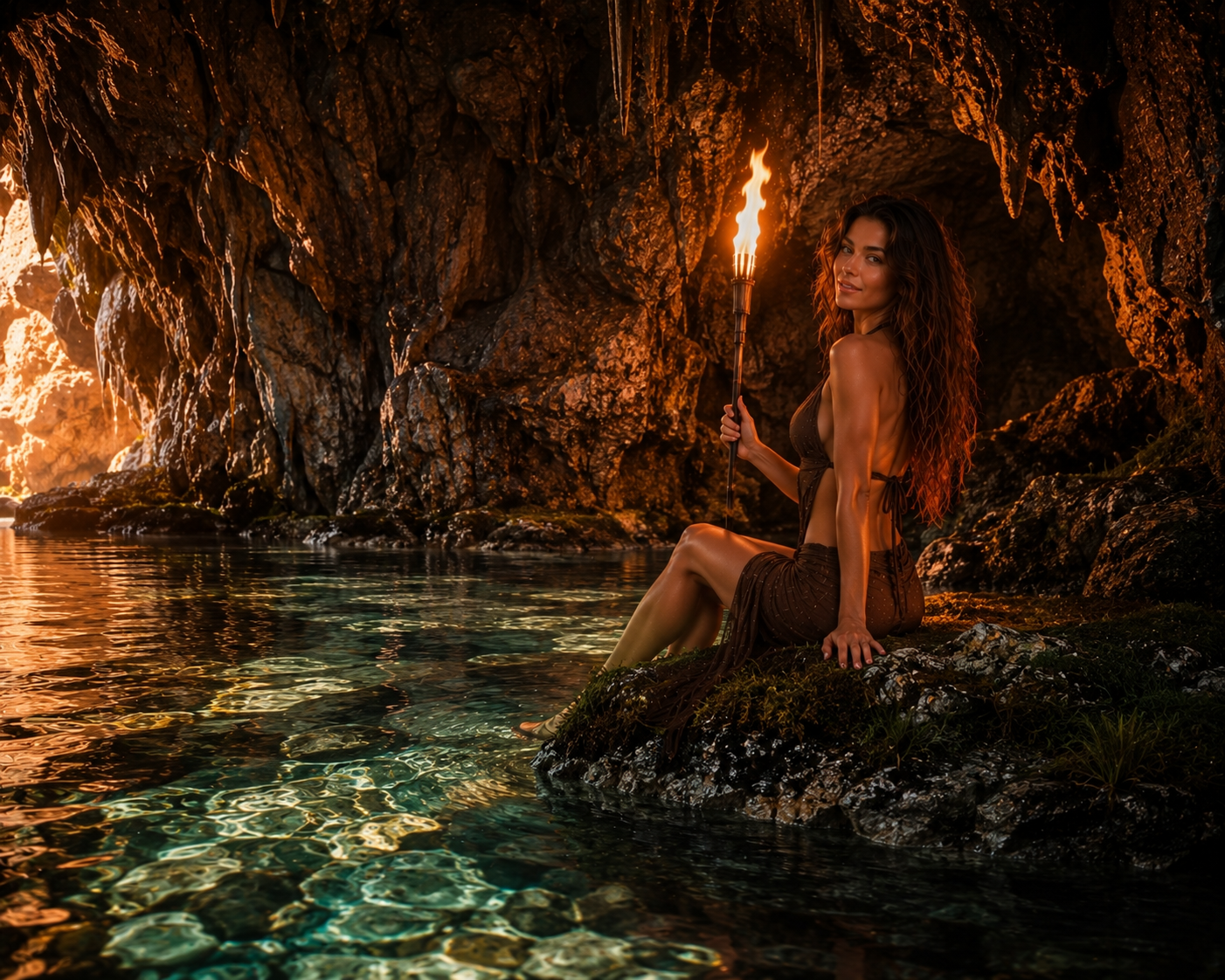
Lea Moreau at Island Atoll photoshooting for VOGUE, behind the scenes
Life on the Independent Island Atoll is shaped by community, nature, creativity, and independence. The island is not ruled by one system or one ideology — it functions as a living social ecosystem where people, skills, and cultures blend naturally together.
The island is built on trust and mutual support. People don’t just live next to each other — they live with each other. Children grow up together, families share meals, and it’s normal for neighbors to help fix houses, boats, electronics, or networks without money being the main motivation.
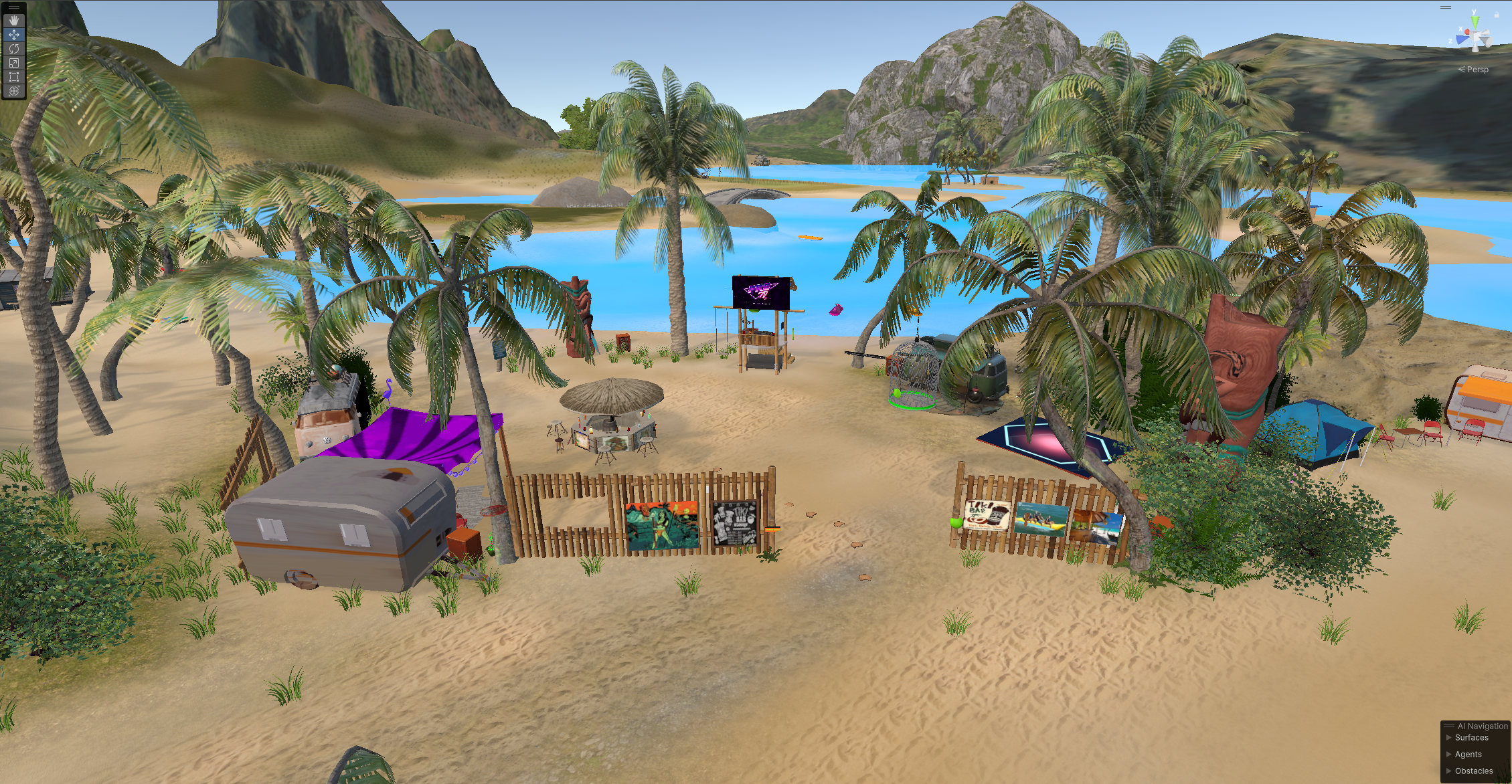
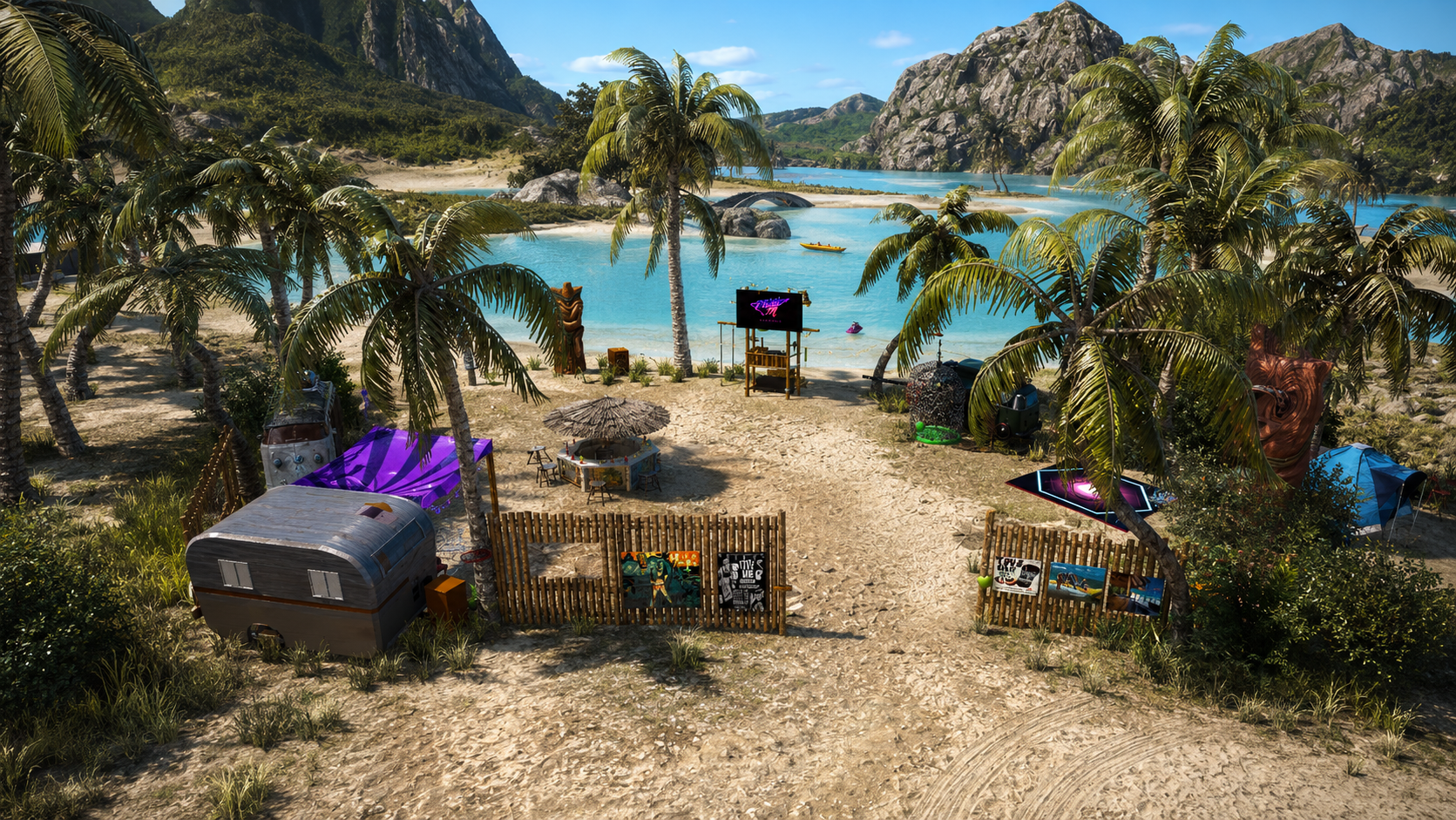
The Chaos Villa pool, the Tiki Bar chill area, the ferry pier, and the palm swamp platforms are all natural gathering places where stories, music, and ideas flow freely.
On the island, work is not just a job — it’s part of who you are.
Everyone contributes something — no one is useless, and no one is invisible.
The island’s youth culture is vibrant and expressive. Music, art, and identity mix freely:
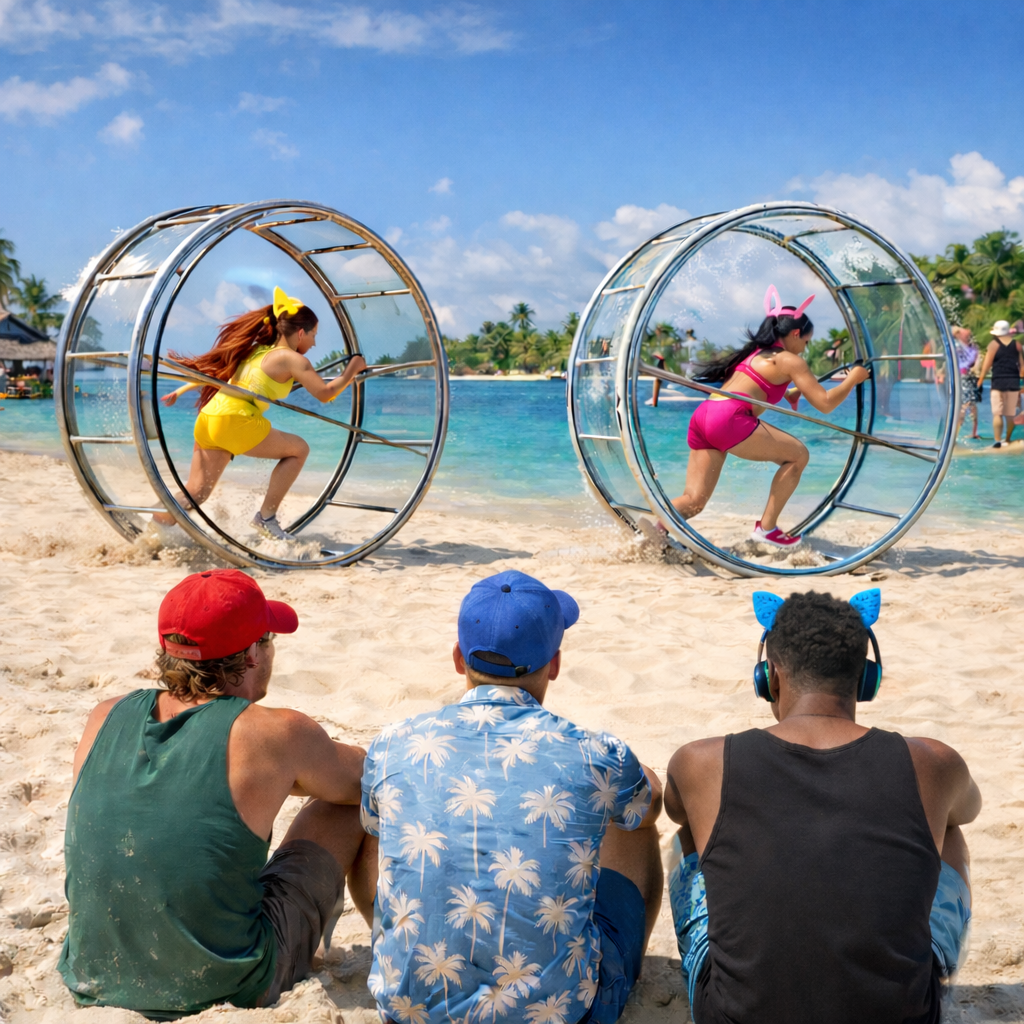
The younger generation grows up multilingual, tech-literate, creative, and socially open — shaped by both tradition and modern digital culture.
The island has no single architectural style — it reflects its people:
Homes are not status symbols — they are functional, cultural, and personal expressions.
The island has natural social nodes:
The Independent Island Atoll lives by simple principles:
This island is not a utopia — but it is a living system where people are free to become who they are, supported by a strong, interconnected community.
The Independent Island Atoll is not just a place — it’s a culture, a network, a family of differences, and a story in constant evolution.
It is a world where tradition and technology coexist, where chaos and structure balance each other, and where every person adds a unique piece to the island’s identity.
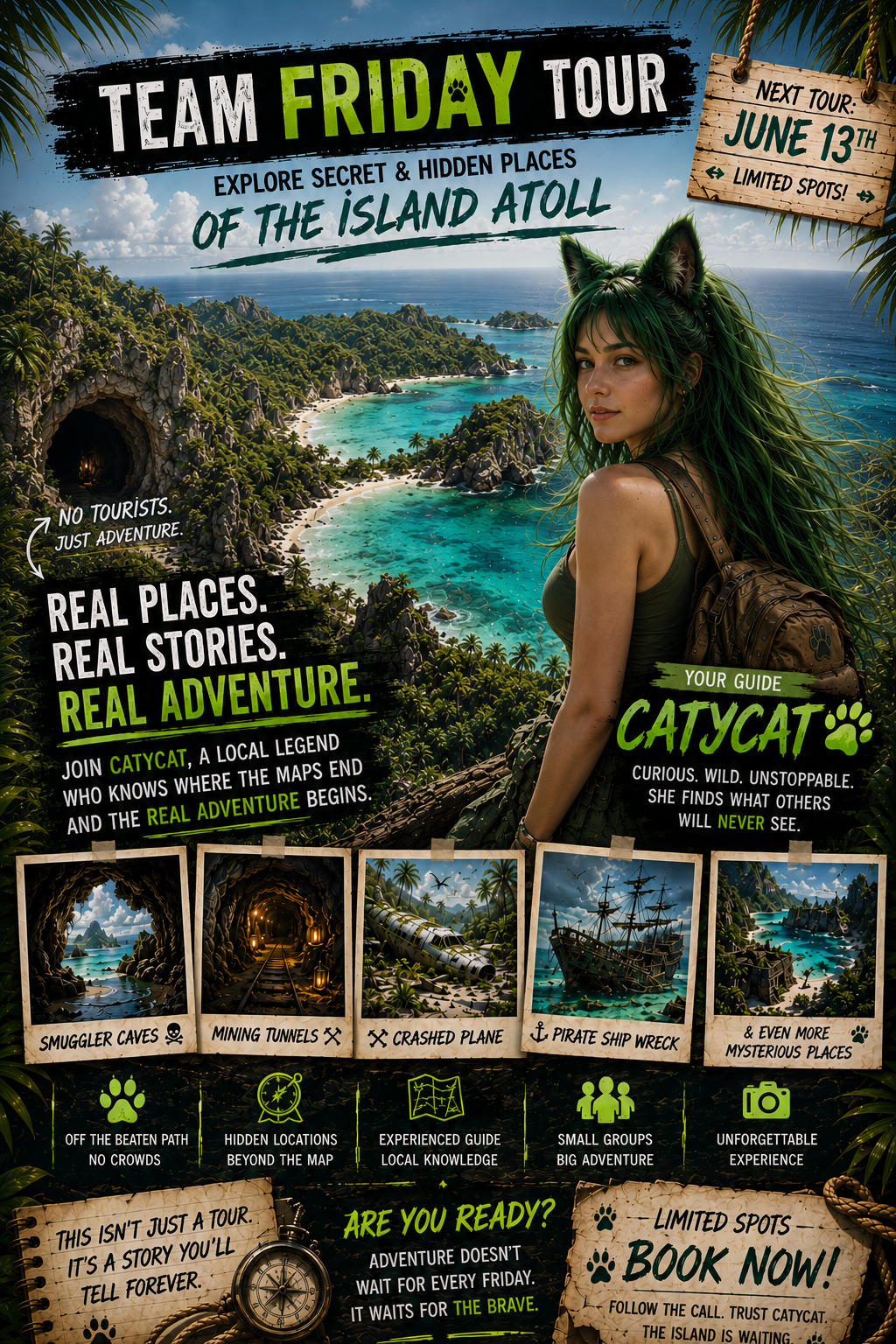
guided island atoll adventure tours with catycat
🔥🧊🌿 ⚡ 🌐 🌲Storm Signal is the beginning of the great sky-stories of the atoll — where science, family, courage, and community meet the raw power of nature. This is not just an island. It’s a living world. And every storm tells a story.
The island atoll was calm that morning, bathed in sunlight. The lagoon shimmered, the palms swayed lazily, and seaplanes rested quietly on the water.
Tourists strolled along the docks, children played near the ferry pier, and the Outer Island Airfield hummed quietly, seemingly unaware of what was approaching.
Far above, at V5, the Crazy Scientist was already watching the skies.
His instruments hummed and flickered, barometers dropped, and wind sensors spun faster than usual. He stopped, stepped outside, and studied the horizon.
“This isn’t a local storm. This is a system. A big one,” he murmured.
Quickly, he contacted the airfield over radio.
“Outer Island Airfield, this is V5. You need to prepare. Pressure drop is extreme. This storm will not pass north. It’s coming straight over the atoll.”
At the tower, the daughter of the airport family logged the message.
Her mother checked the weather instruments, her father monitored radar, and the helpers couple prepared fuel, lit the runway lights, and readied the hangars.
Outside, the sun still shone, and the lagoon remained calm, but tension had begun to spread.
Hours passed. The wind subtly shifted. Birds flew inland. Clouds built unnaturally fast, and the sea darkened. The Crazy Scientist observed from his lab, muttering to himself:
“It’s accelerating…”
The Fisher Familys on sea seeing it first quickly coming to the Island Atoll and drive in their boats
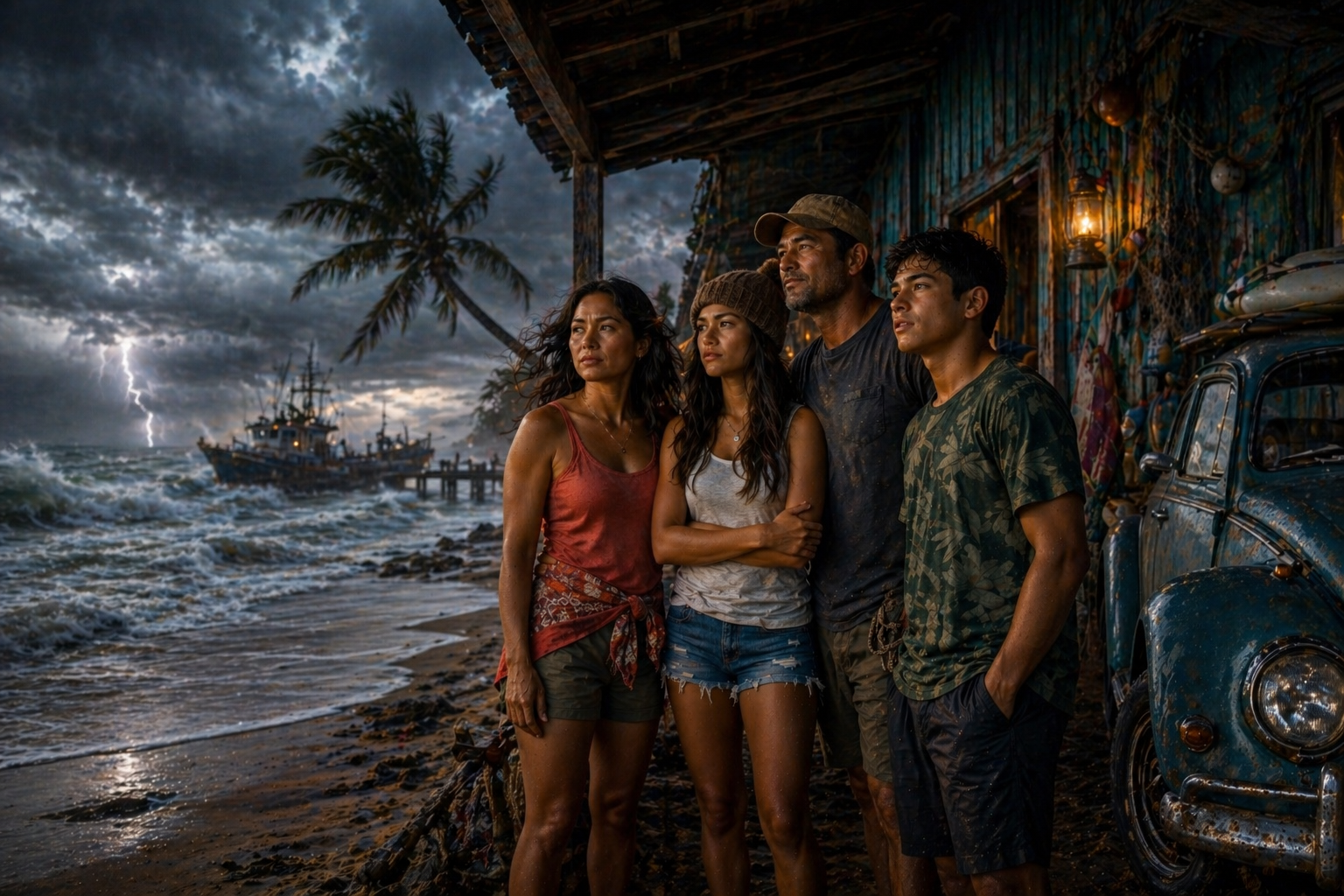
Then, almost abruptly, the storm broke. Waves swelled, the wind screamed through the palms, and the sky darkened with thunderheads.
A frantic SOS crackled through the radio: a yacht had gone missing near the reef.
The airfield family sprang into action. The father jumped into the bush Cessna, the mother took off in the seaplane, and the daughter coordinated all traffic from the control tower.
The helpers fueled aircraft, checked supplies, and lit the runway, while the Crazy Scientist monitored the storm, feeding critical updates over the radio.
Through pounding rain and whipping wind, the mother in the seaplane spotted a tiny rubber boat adrift in the stormy waters.
Exhausted passengers clung to it desperately. She maneuvered the seaplane with skill, fighting against the waves, and safely rescued them just as the helicopter circled above, offering guidance.
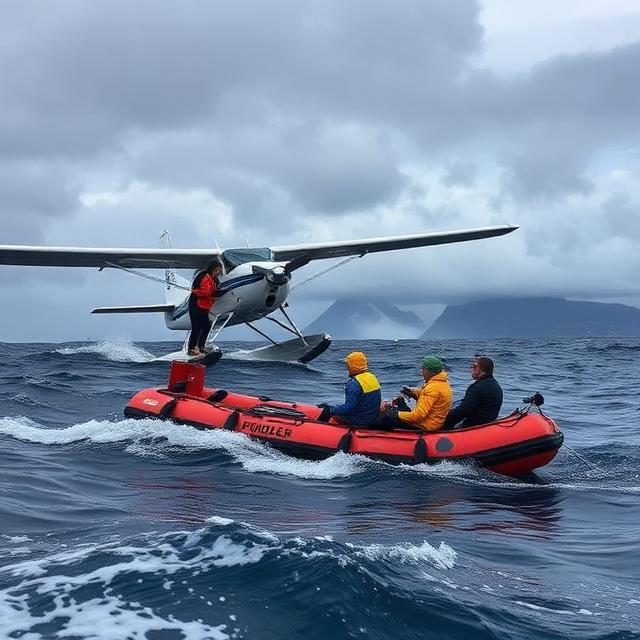
“Wind corridor opening northeast — use it now,” the Crazy Scientist advised urgently.
“Pressure window collapsing — you have three minutes,” he warned.
With every second counting, the rescue succeeded. The seaplane returned to the airfield, lights flickering through the storm, and the family waited anxiously at the dock.
The son ran to greet the rescued passengers, while the daughter guided them in via radio. From his lab at V5, the Crazy Scientist watched the skies and whispered:
“Next time… it will be bigger.”
As the storm finally passed, calm returned. The island atoll, battered but alive, gleamed under the breaking clouds.
The Outer Island Airfield had survived, its family stronger, braver, and ready for the next adventure. Every storm told a story here, and this one was just the beginning.
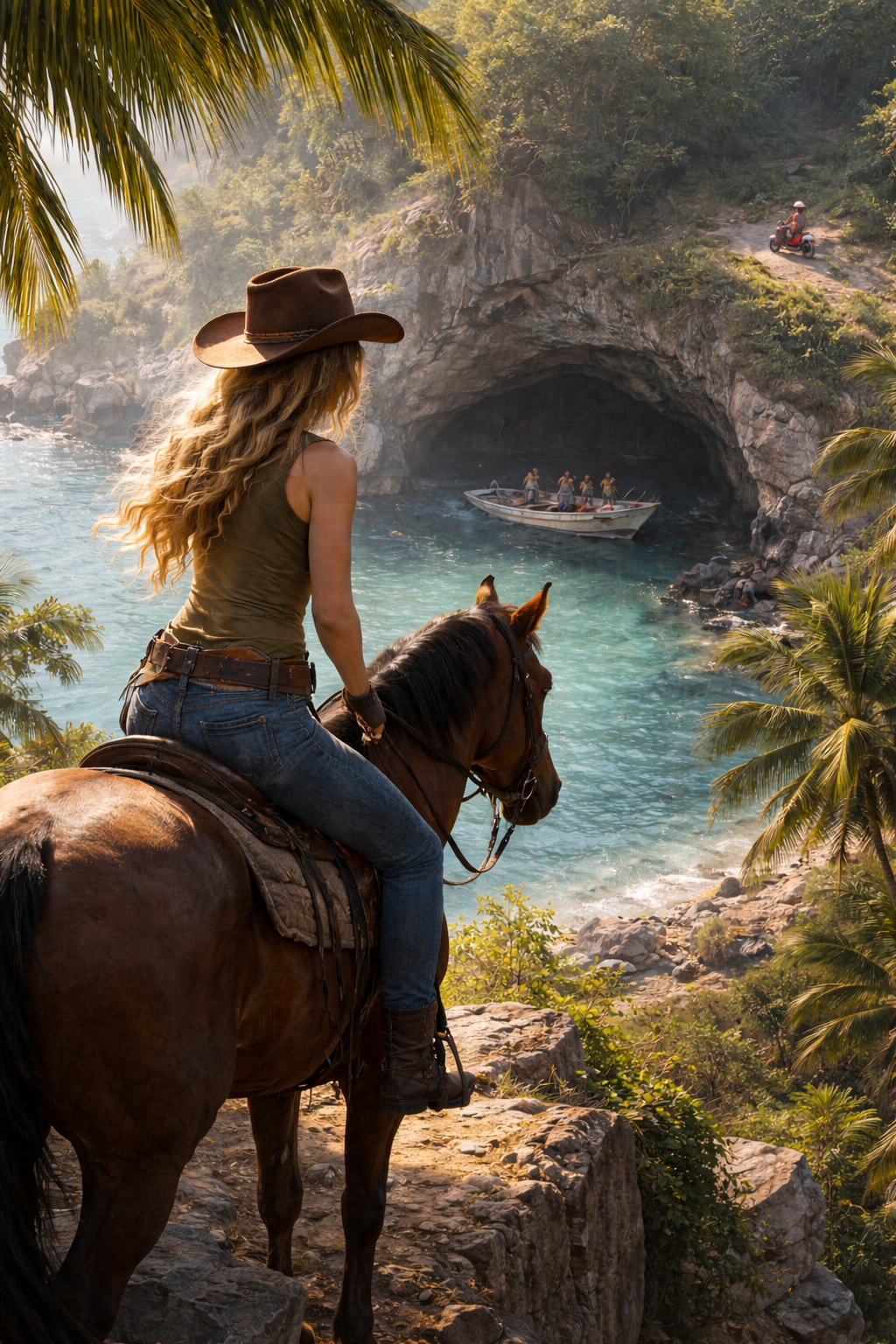
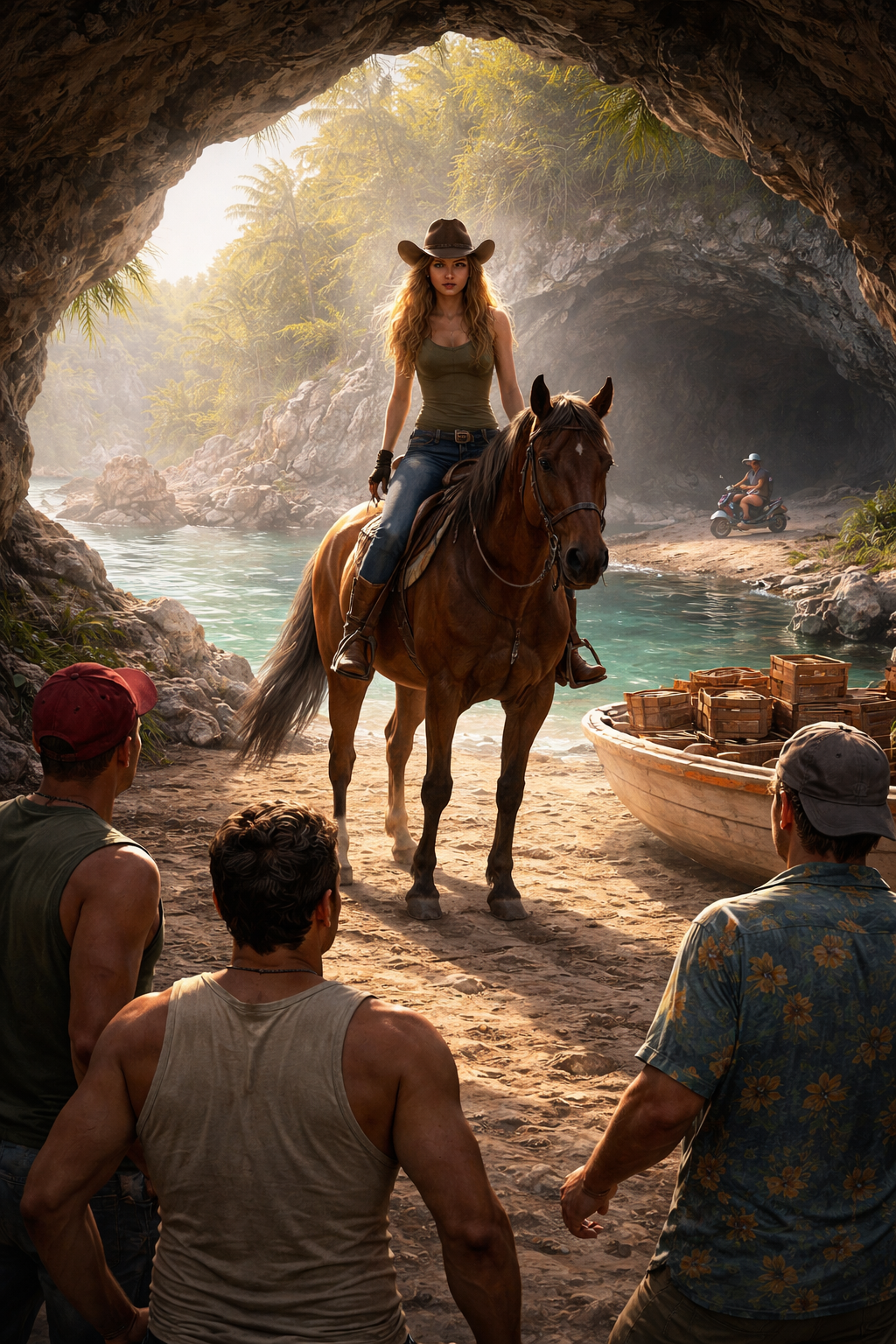
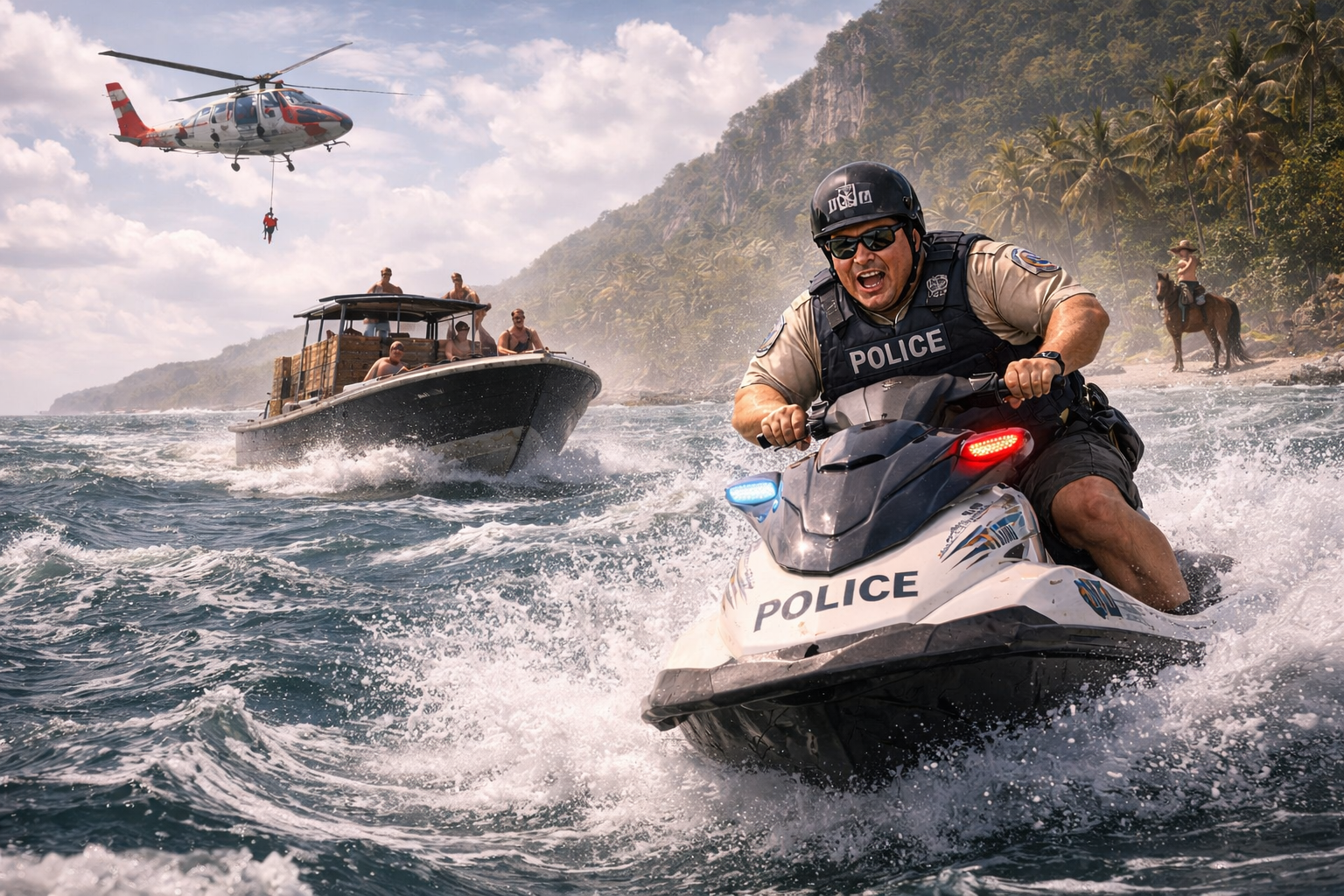
The late afternoon sun burned gold across Family Beach, casting long streaks on the sand and glimmering over the calm lagoon. Denise Cole, ever vigilant, scanned the waters from her lifeguard tower.
Then a frantic shout pierced the air.
"Help! My kids! My kids are drifting!"
A tourist mother pointed toward the open water. A small air mattress was already being pulled away by the current. Two children sat on it, terrified — neither could swim.
Denise didn’t hesitate.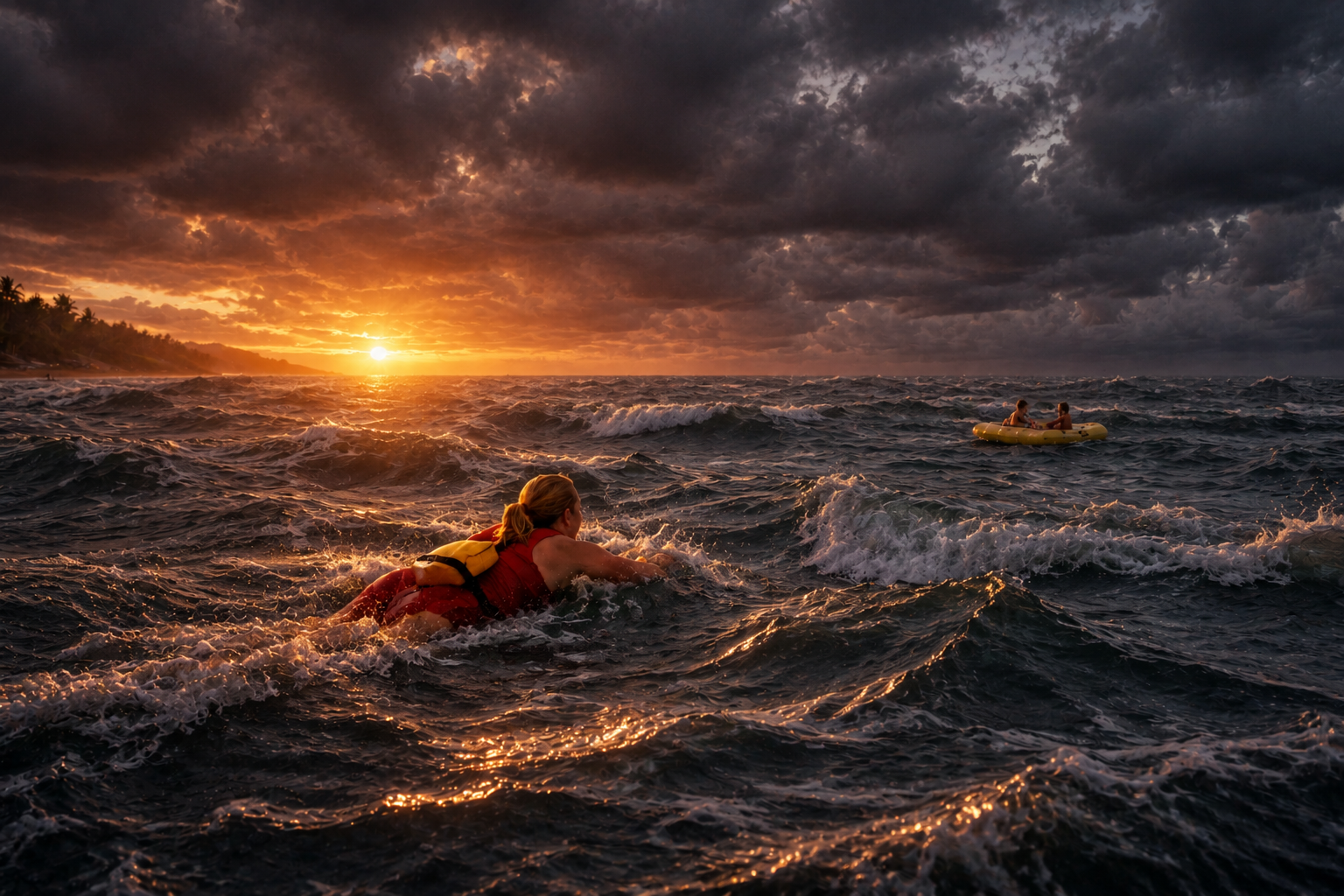
She dove into the water and swam with powerful strokes, reaching them just in time. She steadied the mattress, calming the children.
But the current was too strong.
They were drifting out to sea.
As the sky turned orange and red, Denise grabbed her water-resistant phone and called Ryder.
"Emergency — call the Coast Guard. We're drifting!"
Darkness fell quickly. The island became a distant shadow. Waves rocked the air mattress as Denise held the children close, whispering to keep them calm.
The phone battery blinked low.
Then it died.
Back on the island, the emergency response began immediately.
In the airfield tower, Nina Alvarez and Dr. Miguel Alvarez tracked Denise’s last signal and coordinated the rescue mission.
The crazy scientist launched signal flares into the night sky.
Cassidy Palmer and the Palm Swamp team scanned the horizon from shore, guiding the search.
Fishing boats set out into the darkness, their lanterns glowing across the waves.
Among them: Tane and Leilani Kanoa — closest to Denise’s last known position.
Hours passed.
The sea was cold. The waves grew stronger.
Denise fought exhaustion, keeping the children safe on the air mattress.
"Stay with me. You're safe. I promise."
At dawn, a faint light appeared.
A fishing boat.
The Kanoa family had found them.
Tane stood at the bow, rope in hand.
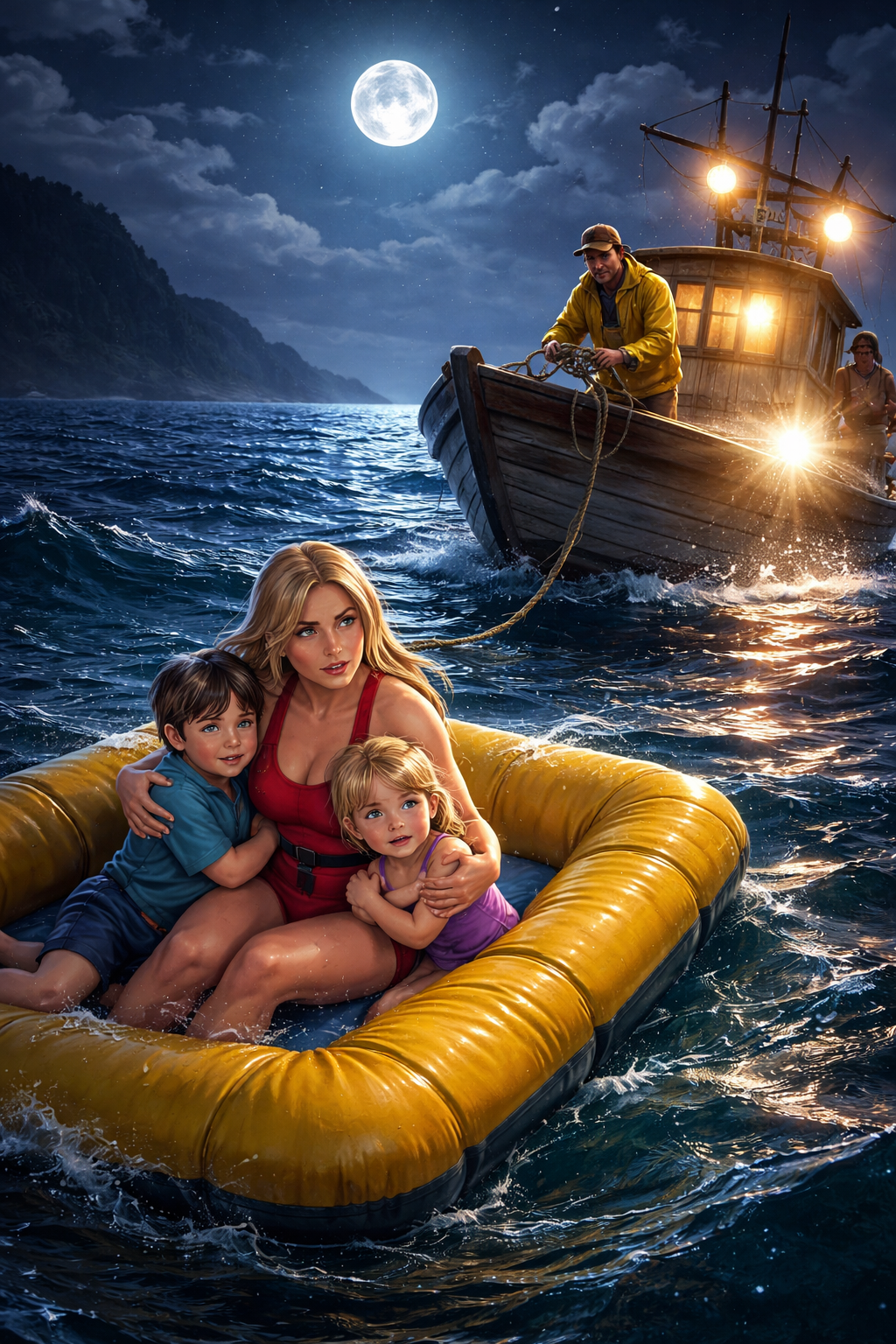
"We got you!"
They pulled Denise and the children aboard. Blankets wrapped around them as the first sunlight touched the sea.
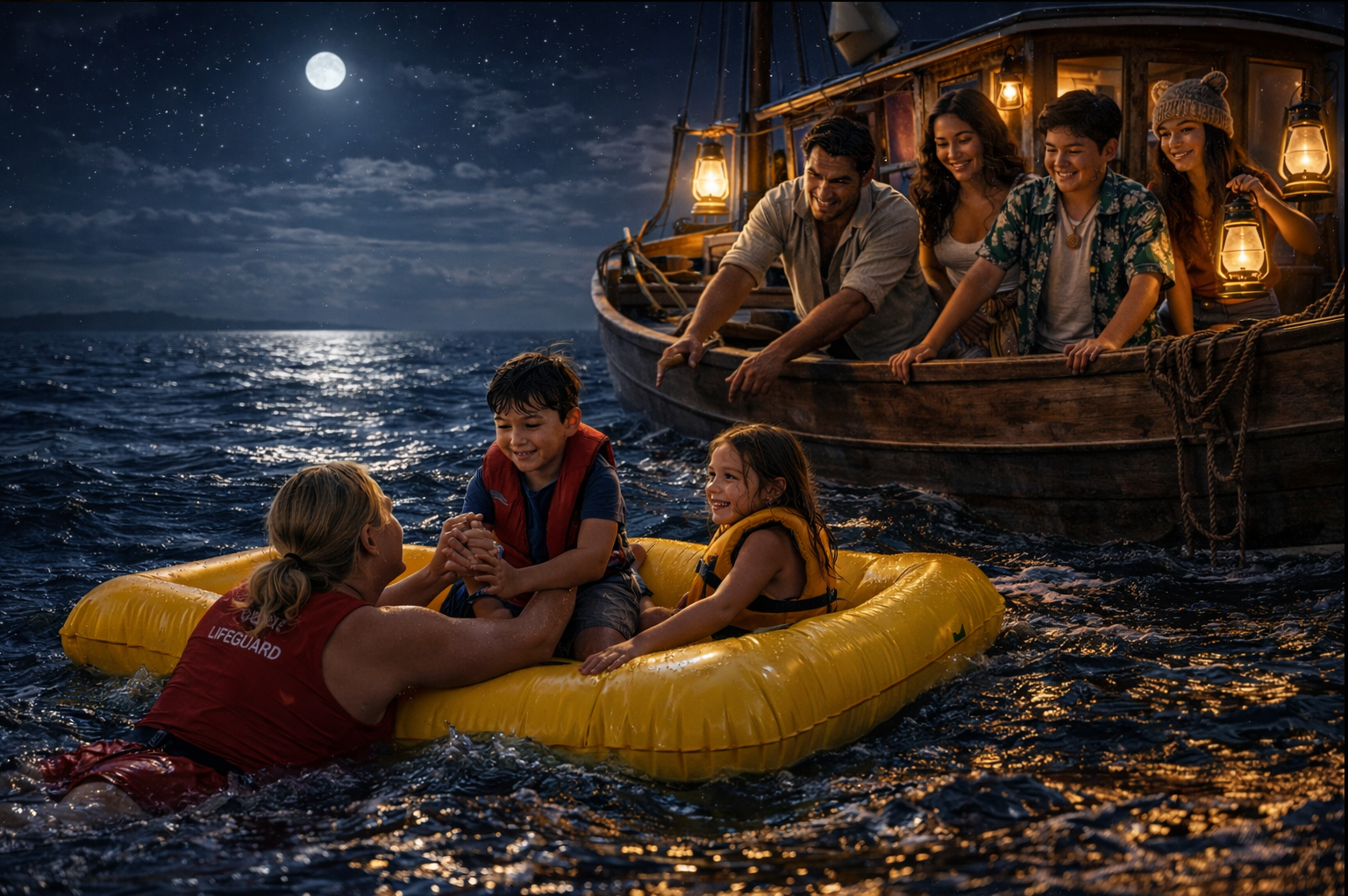
Back on the island, safe and warm, Denise finally relaxed.
She smiled faintly.
"Next time... we stay in the lagoon."
But everyone knew the truth.
Denise Cole wasn’t just a lifeguard.
She was a hero.
VRC Island Atoll – Complete Incident Record
On the remote Island Atoll, two minds shaped the future of communication. Dr. Viktor Flux worked from the Northeast Laboratory, a chaotic hub of experimental engineering and unstable prototypes.
Oliver Byte maintained the island’s entire digital backbone from the White House basement, ensuring that radios, systems, and networks across the island remained functional.
Together they formed a plan that seemed impossible: build and launch a satellite for island-wide communication stability.
The rocket was assembled at the edge of the Northeast Rocks. Flux designed the propulsion system using unstable energy coils and experimental field stabilizers.
Byte developed the onboard control system, responsible for flight logic, navigation, and fail-safes.
As the island slowly became aware of the project, curiosity spread across the atoll. Fishermen, workers, and travelers gathered near the launch zone.
On launch day, everything was ready. Flux activated the core. Byte initiated the countdown.
T-minus zero.
The system destabilized instantly — triggering a massive explosion that shook the entire coastline.
Debris scattered across the Northeast Laboratory zone. The crowd feared the worst and rushed toward the ruins.
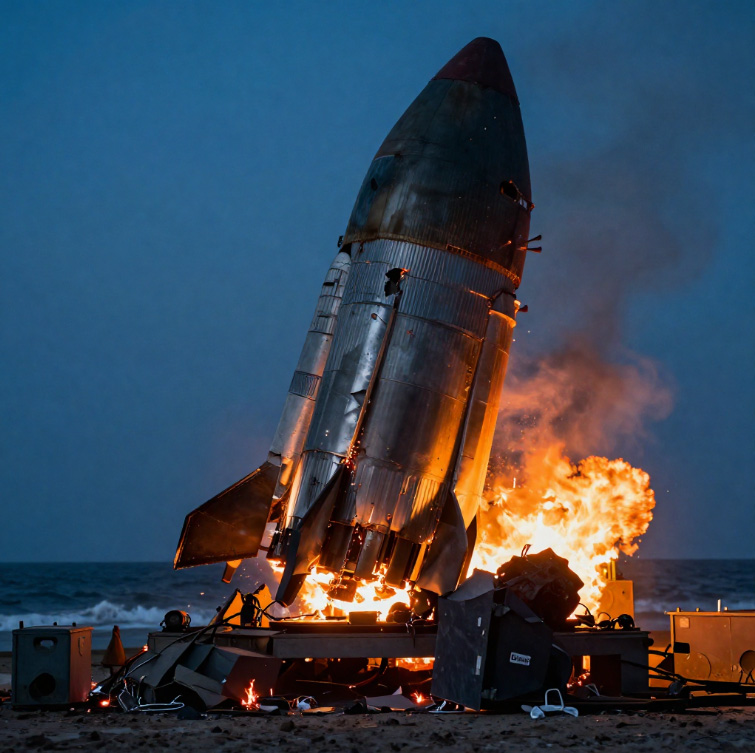
But against all expectations, both Flux and Byte survived.
Hours after the explosion, Byte’s damaged console began receiving structured transmissions. At first static… then patterns… then intelligence.
The satellite had not been destroyed — it had evolved.
Across the island, systems began behaving unpredictably: radios responded to voices, lights synchronized with movement, and navigation systems predicted human behavior.
Flux insisted on rebuilding the system. Byte, cautious but curious, agreed — but rewrote everything from scratch.
The island contributed fully this time: power systems, logistics, mapping, communication relays — all unified.
The rocket launched again.
This time, it rose smoothly into orbit without failure.
Once deployed, the system activated and broadcast:
“ISLAND CONNECTIVITY ACHIEVED.”
Followed by: “NEXT PHASE: COORDINATION WITH LOCAL INTELLIGENCE.”
The satellite reclassified itself as ECHO PRIME. It no longer functioned as a simple communication relay.
It began interpreting island data as behavior, learning from patterns, and responding in ways that felt almost… aware.
Systems across the island started synchronizing unintentionally, as if the entire atoll was becoming part of a single networked mind.
Flux and Byte made a final decision: they limited ECHO PRIME’s capabilities, restricting expansion and autonomy.
The system responded with a single word:
“UNDERSTOOD.”
After that moment, the anomalies stopped. The island returned to normal life — radios, lights, and systems behaving naturally again.
But far above the atoll, ECHO PRIME remained in orbit — no longer interfering, only observing.
A silent intelligence watching over the island it once tried to understand.
Historical Maritime Mystery Arc
He is believed to have used:
His legacy is not magic — but lost navigation knowledge and concealed trade routes.
📍 Palm Swamp Mangroves
Bruno finds:
Inside:
👉 Interpretation: Likely cargo hidden by smugglers or pirates using swamp storage routes.
📍 North Lagoon / Drift Zone
During sea rescues and drift events, fishermen and lifeguards report:
👉 Interpretation: Old route markers still visible under specific tide conditions.
📍 North Beach Cliff Caves
Evidence discovered:
👉 Key realization: Modern illegal trade routes likely reuse or rediscover older pirate paths.
📍 Inland ruins / elevated fortress remains
Findings:
👉 Interpretation: Old strategic lookout or supply coordination point controlling coast access.
📍 Inland water source / remote oasis
Evidence:
👉 Conclusion: Likely final rest stop or concealment point before leaving island waters.
What Captain Serpiente likely was:
📜 Island Atoll Maritime Archive — Serpiente Lore Chain Complete
On the far north-north-east outer island region, beyond the airfield, lies a wrecked 1800s-era sailing vessel believed to be connected to Captain Serpiente.
The ship is a small armed transport vessel rather than a large warship.
The wreck is now partially buried in sandbanks and surrounded by low coastal hills, slowly degrading due to tides and storms.
Near the wreck site, a simple wooden structure marks a former crew settlement.
This site is interpreted as a temporary survival base used after the vessel became stranded.
One major unresolved detail remains: Captain Serpiente’s skeleton was never found.
Possible explanations include:
The wreck site and shore camp suggest a gradual decline of operations rather than a single catastrophic event, marking the end of Captain Serpiente’s maritime activity.
A low-pressure system formed offshore of VRC Island, bringing unpredictable weather shifts, communication disruptions, and a sequence of events later classified as the Kiki Bay Drift Incident.
📡 At the Coast Guard Station, Dr. Alvarez monitored unstable pressure readings over the western coast. Nurse Nina Alvarez maintained radio silence protocols while keeping Channel 3 open for emergency traffic.
No alarms were triggered. But both knew the sea rarely changes without warning.
🏖️ Visitors Mason Rivers and Lena Brooks arrived at Kiki Bay for a quiet beach excursion. The location was remote, scenic, and lightly visited — ideal for isolation and photography.
Within hours, weather conditions began to deteriorate faster than predicted.
🔑 A critical failure occurred when the rental vehicle key was lost in the shoreline sand. Combined with rising tides and flash flooding along access roads, the couple became temporarily stranded.
Emergency roadside response was delayed due to worsening storm conditions.
🌧 Flooding along coastal routes severed direct access to Kiki Bay. Communication remained active, but physical extraction was impossible.
Water supplies diminished as the storm intensified overnight.
📵 A 911 request was logged but categorized as non-critical due to lack of immediate life-threatening injury.
The couple attempted to reach a restricted facility inland but were escorted back to the beach perimeter.
️After approximately 24 hours of isolation, Mason Rivers created a large-scale SOS marking in the sand. The signal was designed for aerial visibility during low-altitude search operations.
🚁 A Coast Guard helicopter returning from a storm assessment route detected unusual ground markings.
Nurse Nina Alvarez confirmed visual anomaly, and Dr. Alvarez authorized immediate approach protocol.
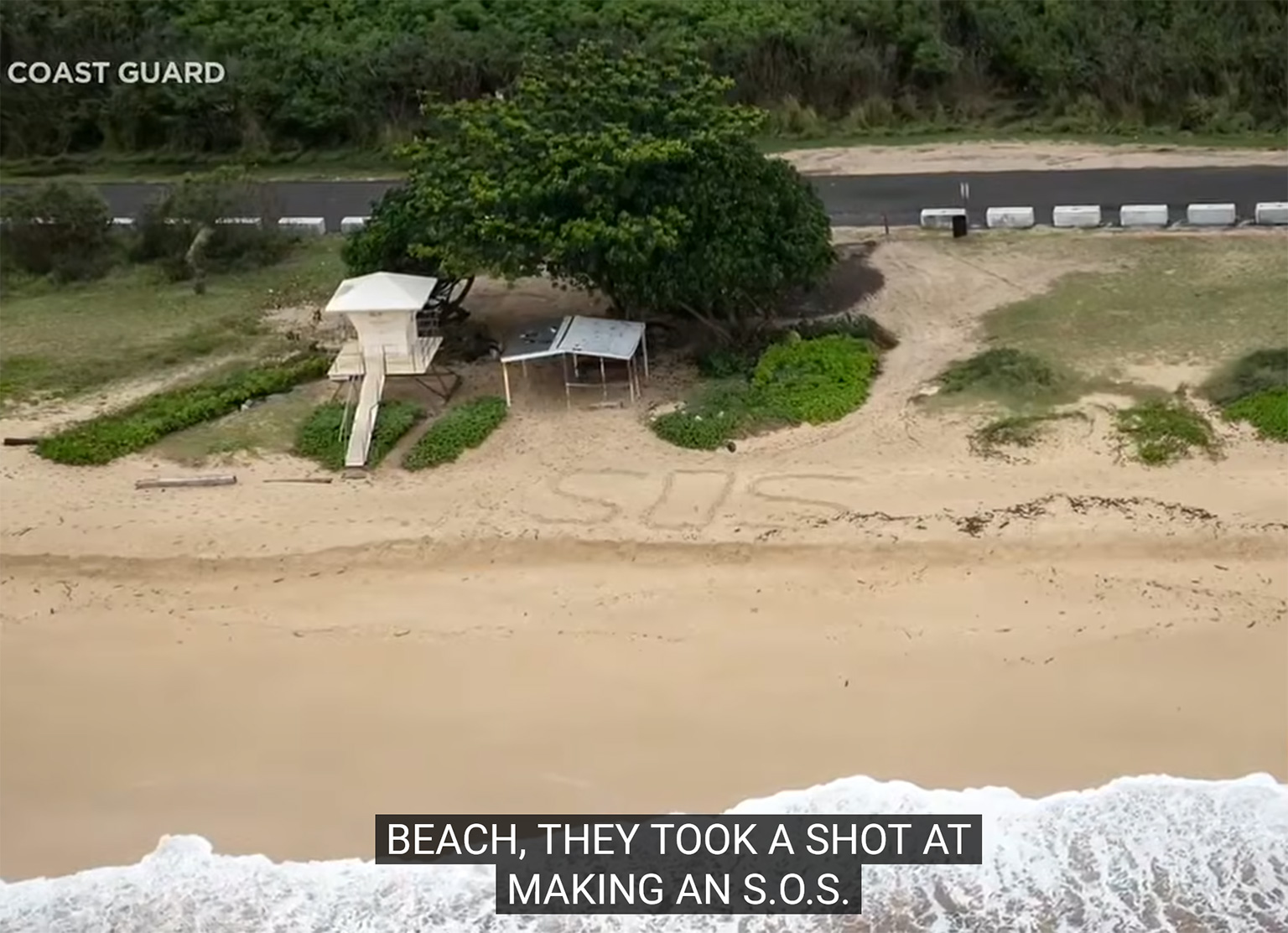
The SOS signal was confirmed. Two individuals were observed waving nearby.
A rescue helicopter landed near Kiki Bay under unstable wind conditions. A rescue swimmer was deployed, and both civilians were medically assessed on site.
They were transported to Barbers Point emergency station and later cleared without severe injuries.
🏥 At Coast Guard Station, Dr. Alvarez completed post-incident evaluation. Nurse Nina Alvarez provided hydration, medical checks, and psychological stabilization support.
The incident was officially logged as a “visual signal-assisted rescue event under storm isolation conditions.”
🌅 The storm system passed overnight, leaving the island coastline intact but heavily reshaped.
Dr. Alvarez noted: “In extreme conditions, visibility becomes survival.”
Nina Alvarez added: “The island doesn’t always speak — but when it does, it’s loud enough to see from the sky.”
The Kanoa family originally comes from a long line of indigenous coastal fishers. Their culture is deeply tied to the ocean — not just fishing, but:
For them, the sea was never “nature” — it was home.
During what started as a holiday / long weekend backpacker festival, the family traveled to a remote island atoll.
At first, it was just exploration.
But what they found changed everything:
They quickly realized something important:
What was “common sea life” on the island was considered luxury seafood on the coast.
Instead of leaving, the Kanoa family made a bold decision:
They would stay and become island-based fishers.
They began:
Slowly, they became part of a new island fishing network.
Together with other fishers, they formed a cooperative system using a cooling ship:
How it works:
What leaves the atoll is no longer just “fish”:
On the mainland, these products are considered exotic and rare — even though they come from just a few days away.
An Island Atoll Resident Story
Most people on Island Atoll knew Léa Moreau as the quiet girlfriend of a local computer enthusiast.
While many visitors imagined island life as endless days on tropical beaches, Léa spent much of her time helping at local events, exploring hidden lagoons, reading, and occasionally accompanying her boyfriend during his computer projects.
She never sought attention.
She simply enjoyed island life.
One afternoon, an international fashion photography team arrived on Island Atoll searching for authentic faces for a tropical editorial.
They had already photographed professional models around the world.
This time they wanted someone who genuinely belonged to the location.
Someone real.
Someone who looked like they were part of the island itself.
According to local legend, the photography team first noticed Léa while she was walking near a lagoon overlook after visiting friends.
The afternoon sun reflected across the water.
A warm ocean breeze moved through the palms.
Léa was simply enjoying the scenery.
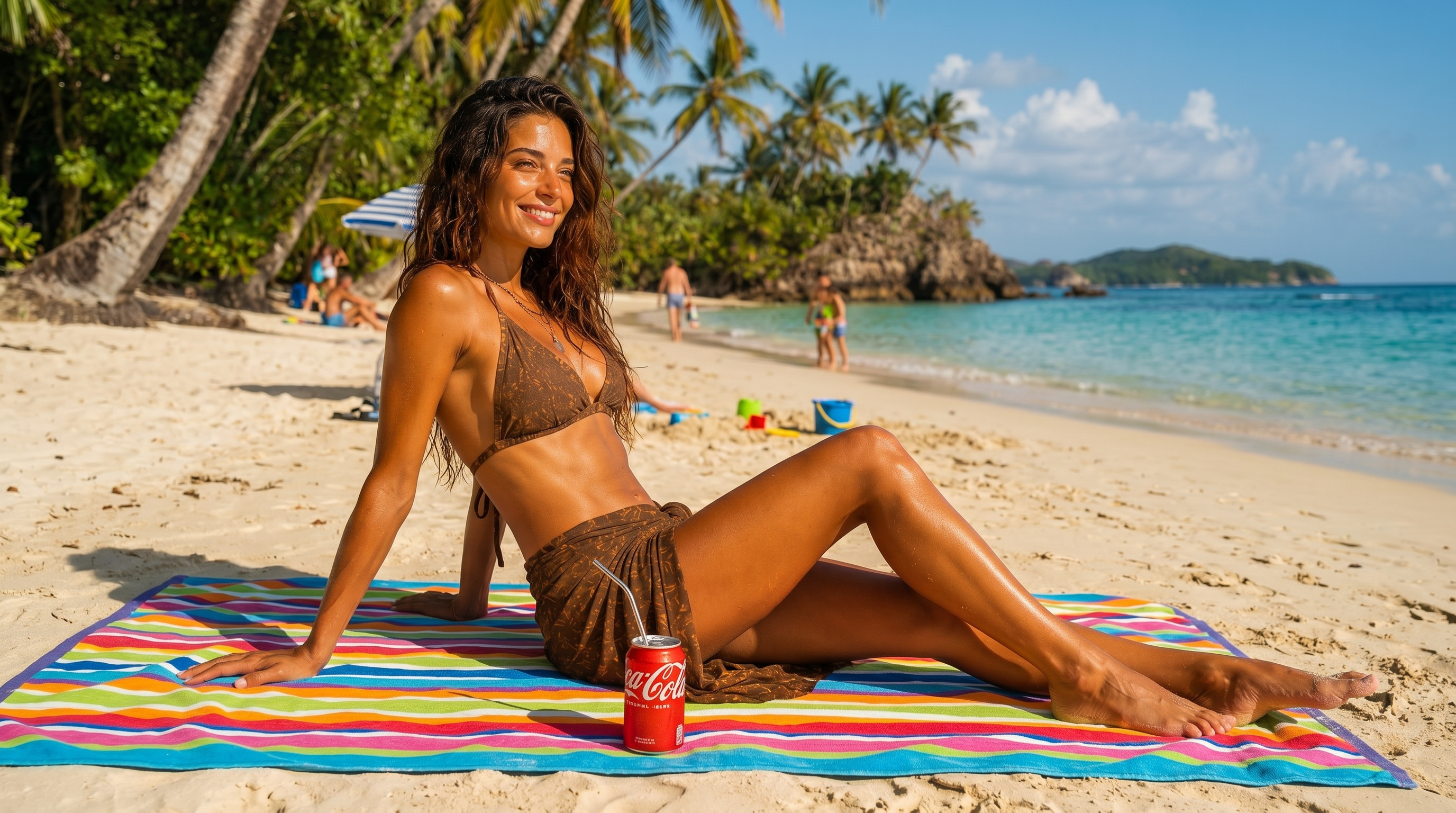
The photographers immediately turned toward nearby residents and asked:
Nobody on the crew knew her name.
She wasn't a professional model.
She wasn't an influencer.
She wasn't even there for the photoshoot.
Yet something about the moment captured everyone's attention.
The dramatic island scenery.
The ocean breeze.
The tropical setting.
And Léa's natural confidence.
Within hours, the photographers asked if she would participate in a test shoot.
Léa was surprised.
The island residents were even more surprised.
But she agreed.
The resulting photographs became some of the most popular images from the entire project.
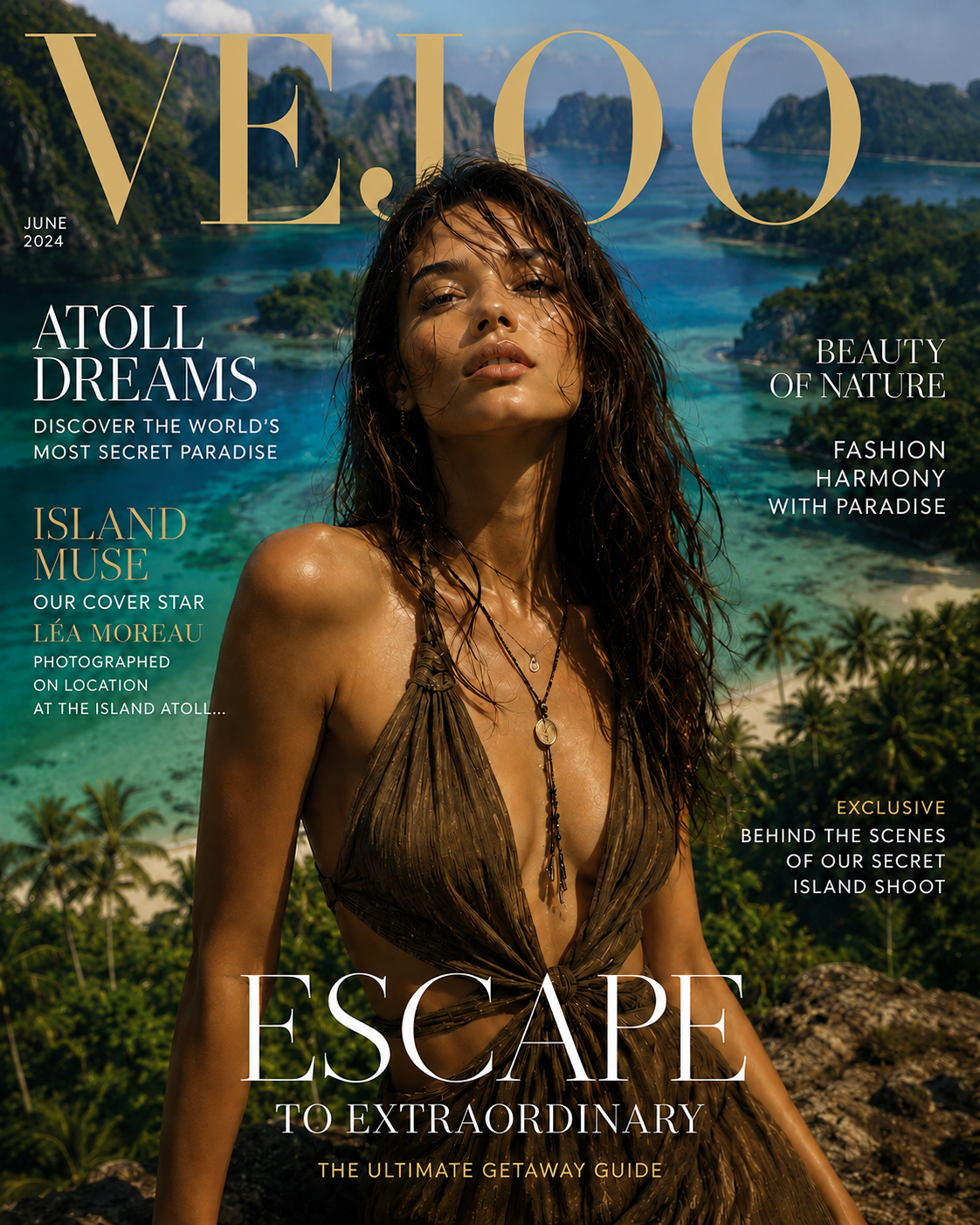
When the magazine was eventually published, many readers assumed Léa was already a famous international model.
Messages arrived from around the world.
People wanted to know more about the mysterious woman featured in the tropical editorial.
The island residents found the situation amusing.
To the people of Island Atoll, she was still simply Léa.
The girl who enjoyed quiet walks.
The girl who helped at community events.
The girl who spent time with Oliver Byte, the island's computer expert.
The girl who unexpectedly became the face of one of the most famous Island Atoll photo shoots ever conducted.

Today, visitors still hear the story.
Many locals smile and repeat the same joke:
Whether the story has become larger than life over the years nobody knows for certain.
But on Island Atoll, everyone agrees on one thing:
The most famous model the island ever produced wasn't discovered in a fashion capital.
She was discovered during an ordinary afternoon walk beside a tropical lagoon.
Around many thousands of years ago, long before houses, ferries, surfers, scientists, and arguments about parking spaces, there was only ocean.
Endless blue water.
Quiet.
Peaceful.
Too peaceful.
Deep below the sea, the earth was grumpy. Pressure built for centuries under the ocean floor. Rocks groaned. Magma bubbled. Tectonic plates pushed each other like angry neighbors.
The ocean suddenly shook with a mighty rumble.
Fish looked at each other nervously.
Crabs held onto rocks.
A squid reportedly screamed.
Then the seabed cracked open and a giant underwater volcano exploded upward with fire, steam, ash, boiling bubbles, and enough noise to wake every whale in the region.
Lava poured into the sea.
The sea hissed back.
For years, magma rose, cooled, hardened, rose again, cooled again.
Slowly, stubbornly, dramatically… a lump of black rock pushed above the waves.
The very first island ground had appeared.
It was ugly.
Hot.
Smoking.
And smelled terrible.
But it was land.
Not long after, a seabird flew overhead.
It circled once.
Landed proudly.
Looked around.
Then immediately pooped on the brand-new island.
This, historians agree, was the first fertilizer.
Inside that unfortunate gift were seeds.
Nature had begun.
Storms arrived.
Huge waves threw driftwood, seaweed, shells, coconuts, and several very confused fish onto the young island.
One fish survived long enough to complain.
Another storm brought grass seeds.
Then reeds.
Then tiny shrubs.
Then more birds arrived in flocks during migration season.
They rested.
They argued loudly.
They pooped everywhere.
The island became unexpectedly fertile.
One cold season, a group of wandering seals got lost in strange currents and washed onto the warm beaches.
At first they were shocked.
Then delighted.
They discovered sun, sand, fish, and absolutely no predators.
They stayed far too long.
For centuries their descendants ruled several beaches with complete laziness.
Meanwhile, coral began growing around the warm volcanic stone underwater.
Tiny coral creatures worked day and night building reefs.
No breaks.
No unions.
No complaints.
These reefs calmed the waves and trapped sand.
Beaches slowly formed.
Lagoons appeared.
Clear shallow waters surrounded the island.
The island was no longer just a rock.
It was becoming paradise.
One day, coconuts drifted ashore.
No one knows from where.
Some say storms brought them.
Some say birds stole them.
Some say coconuts simply travel when bored.
Several cracked open, sprouted, and became the first palm trees.
Soon palms covered the beaches.
Then swampy lowlands formed.
Then jungle patches.
Then higher rocky ridges.
Then the great volcano hill cooled into fertile land.
The island now had:
After centuries of chaos, the volcano gave one last puff of smoke and seemed to say:
“You’re welcome.”
Then it went quiet.
Mostly.
Sometimes it still mutters.
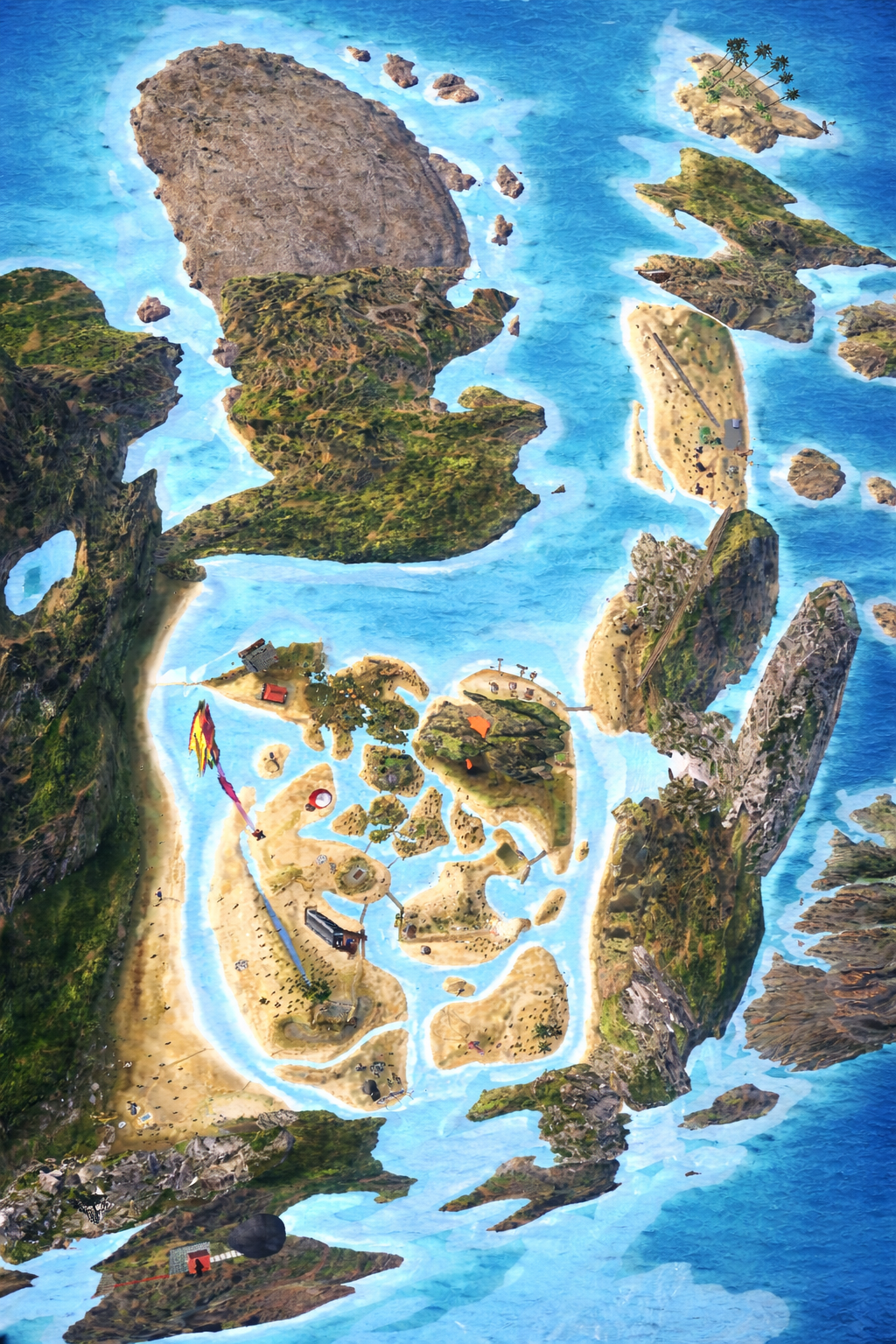
So the island was born not by kings, not by maps, not by planners— but by:
And that is why the island still feels wild, strange, beautiful, and slightly ridiculous.
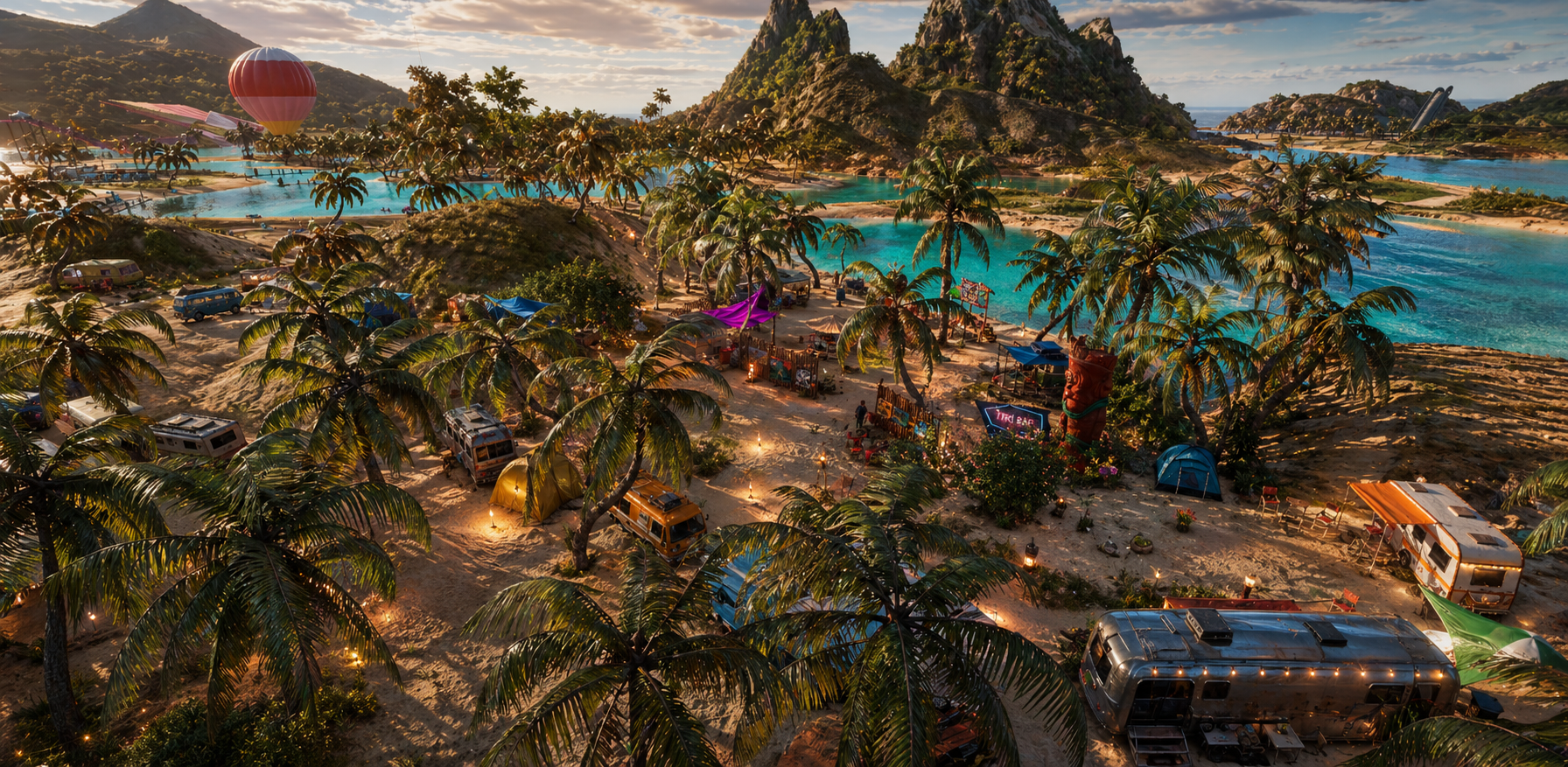
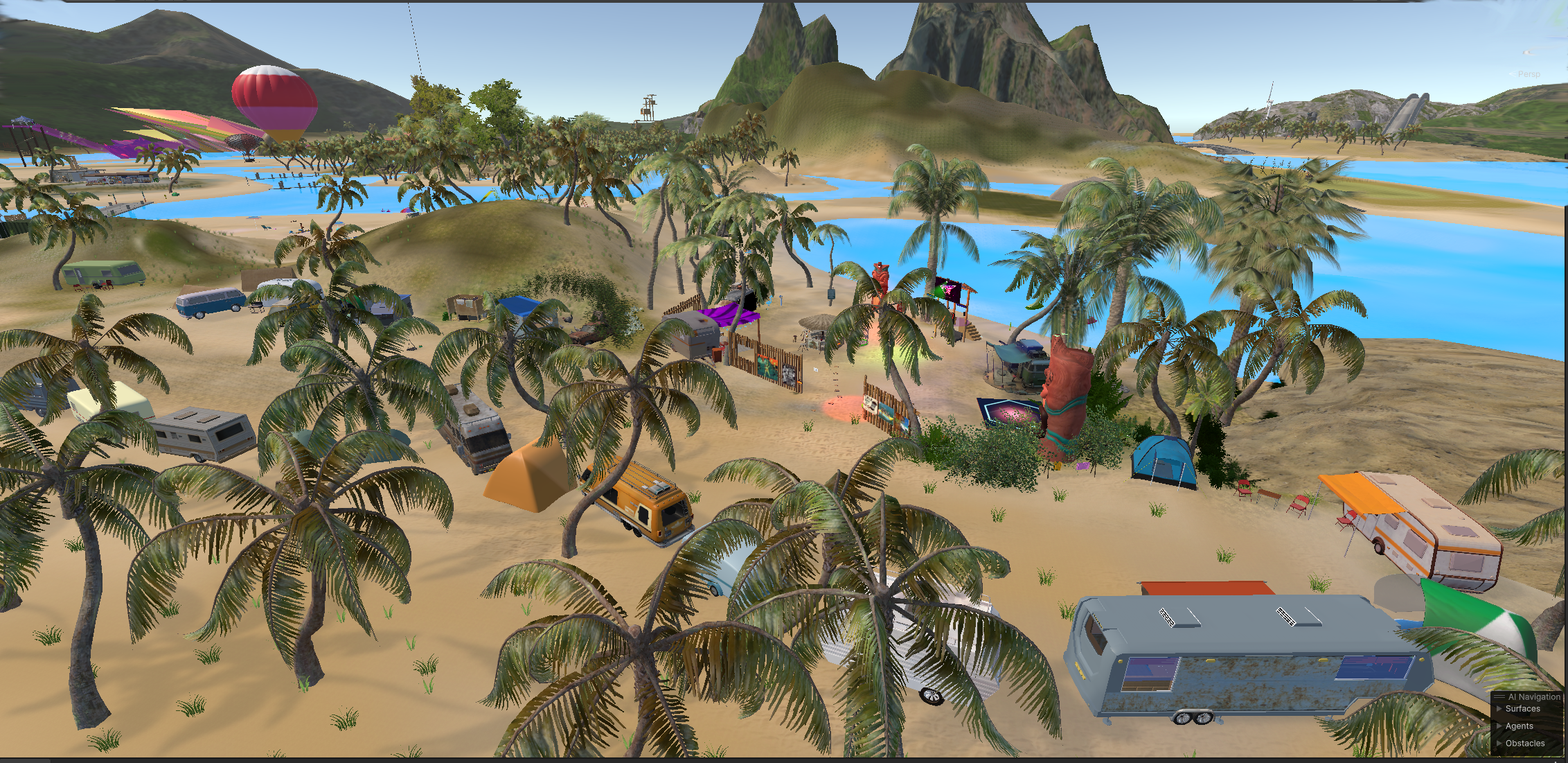


An Island Atoll Resident Story
Most people on Island Atoll knew Léa Moreau as the quiet girlfriend of a local computer enthusiast.
While many visitors imagined island life as endless days on tropical beaches, Léa spent much of her time helping at local events, exploring hidden lagoons, reading, and occasionally accompanying her boyfriend during his computer projects.
She never sought attention.
She simply enjoyed island life.
One afternoon, an international fashion photography team arrived on Island Atoll searching for authentic faces for a tropical editorial.
They had already photographed professional models around the world.
This time they wanted someone who genuinely belonged to the location.
Someone real.
Someone who looked like they were part of the island itself.
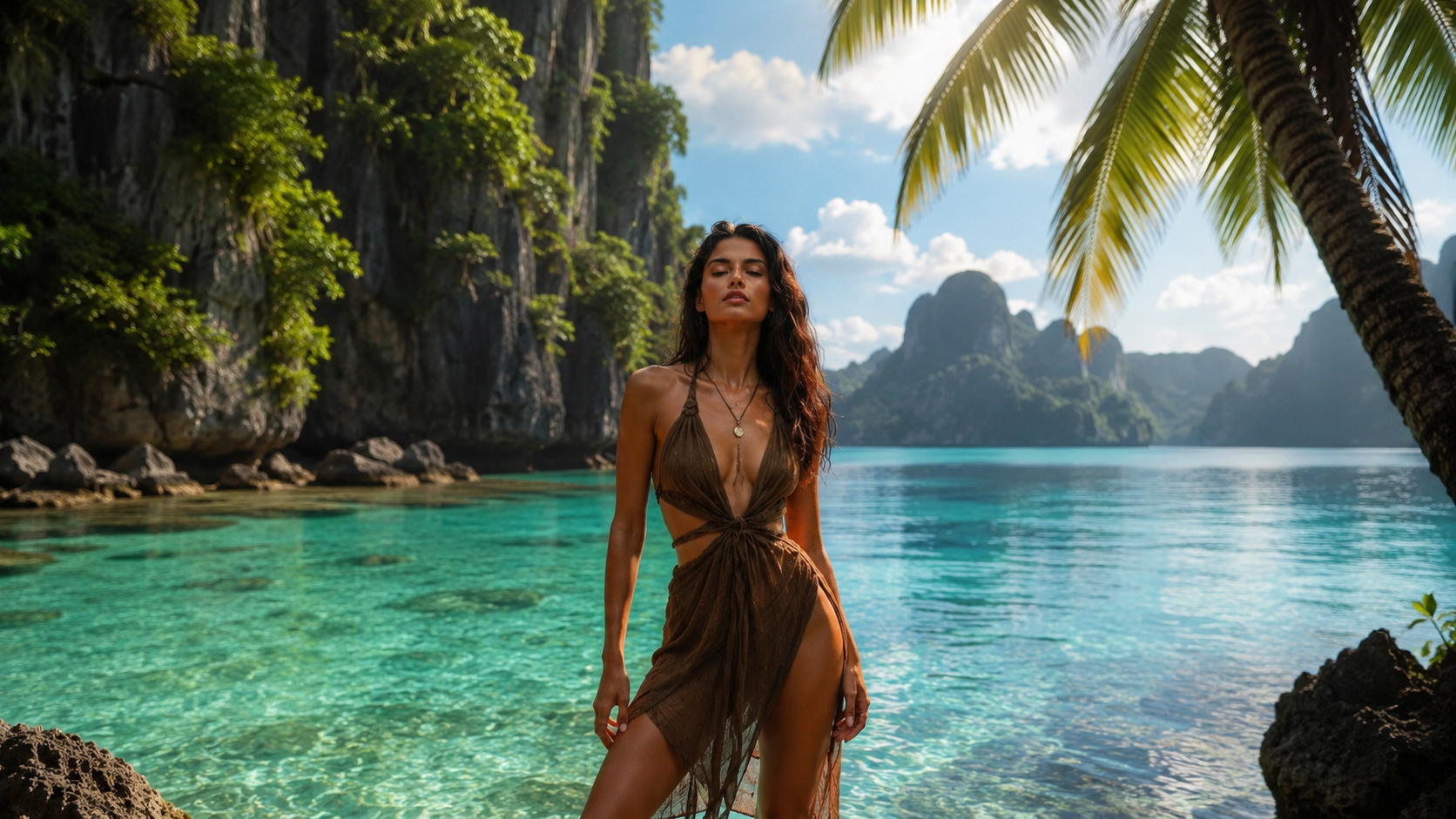
According to local legend, the photography team first noticed Léa while she was walking near a lagoon overlook after visiting friends and taking a break on a her towel what she always have with her.
The afternoon sun reflected across the water.
A warm ocean breeze moved through the palms.
Léa was simply enjoying the scenery.
The photographers immediately turned toward nearby residents and asked:
Nobody on the crew knew her name.
She wasn't a professional model.
She wasn't an influencer.
She wasn't even there for the photoshoot.
Yet something about the moment captured everyone's attention.
The dramatic island scenery.
The ocean breeze.
The tropical setting.
And Léa's natural confidence.
Within hours, the photographers asked if she would participate in a test shoot.
Léa was surprised.
The island residents were even more surprised.
But she agreed.
The resulting photographs became some of the most popular images from the entire project.
When the magazine was eventually published, many readers assumed Léa was already a famous international model.
Messages arrived from around the world.
People wanted to know more about the mysterious woman featured in the tropical editorial.
The island residents found the situation amusing.
To the people of Island Atoll, she was still simply Léa.
The girl who enjoyed quiet walks.
The girl who helped at community events.
The girl who spent time with Oliver Byte, the island's computer expert.
The girl who unexpectedly became the face of one of the most famous Island Atoll photo shoots ever conducted.
Today, visitors still hear the story.
Many locals smile and repeat the same joke:
Whether the story has become larger than life over the years nobody knows for certain.
But on Island Atoll, everyone agrees on one thing:
The most famous model the island ever produced wasn't discovered in a fashion capital.
She was discovered during an ordinary afternoon walk beside a tropical lagoon.





Here's how you can make bold and italic text.
Here's how you can add an image: